How to prioritise and manage your debt during difficult times
An emergency fund that is built over the year can easily be the lifeline one needs to deal with some of the issues that continue to plague South Africa’s economy such as load shedding, water reductions, increasing interest rate hikes and increasing individual and household debt. Many people find themselves facing challenging financial situations that
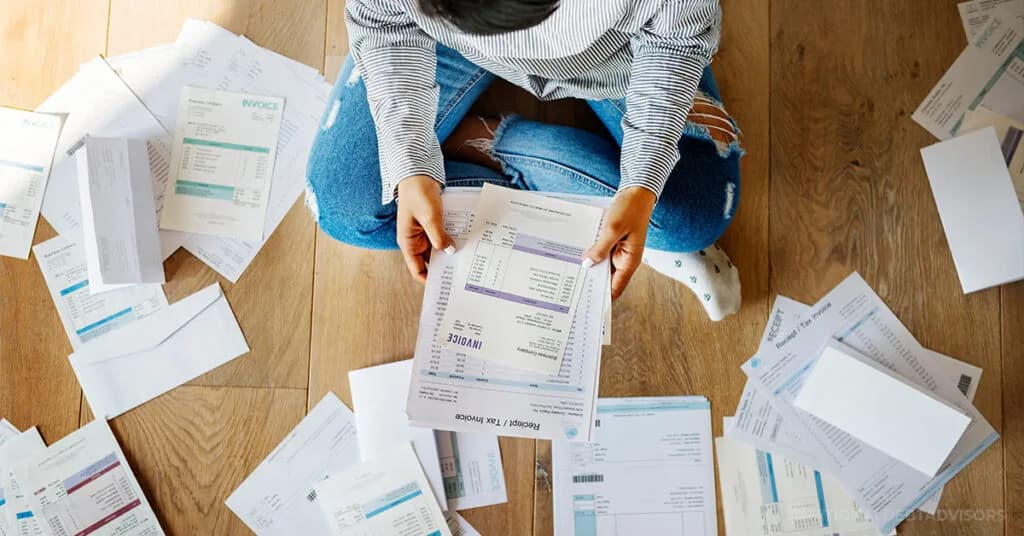
How-to-prioritise-and-manage-your-debt-during-difficult-times

An emergency fund that is built over the year can easily be the lifeline one needs to deal with some of the issues that continue to plague South Africa’s economy such as load shedding, water reductions, increasing interest rate hikes and increasing individual and household debt.
Many people find themselves facing challenging financial situations that can make saving or managing their current debt seem like a very difficult task. Families are under immense financial strain as they try to survive and honour their monthly financial obligations. According to the 2023 first quarter survey by DebtBusters, an alarming 65% of our monthly income is committed to servicing debt. This leaves a tiny portion of our earnings for saving for a rainy day, as the majority is already allocated to covering essential needs.
Whether it’s due to job loss, a health crisis, or unexpected expenses, surviving during times like these requires a strategic approach to ensure financial stability and peace of mind. Understanding how to prioritise and manage debt effectively is extremely important to help pave the way towards a secure financial future. Here are a few steps towards saving and managing debt during difficult times.
Take Stock
First you need to thoroughly assess your current financial situation by identifying all outstanding debt, including credit card balances, personal loans, and any other financial obligations (including informal ones like the money you borrowed from a friend or family). It is important to take account of every transaction you make, even the smallest one so you can understand where you are making money mistakes. Calculating the total debt amount provides a clear picture of the scale of the challenge at hand.
Get a free credit report from one of the credit bureaus. This will provide you with important information about your debt.
Creating a Realistic Budget
Secondly, craft a realistic budget to manage your finances more effectively. Analyse all sources of income, including any support, part-time work or any money coming in at a time, to understand your available financial resources. Have an honest evaluation about the things to spend on and if you can do without them i.e. what do you need and what do you want. This will allow you to save some of your money and reallocate funds towards debt payments. You can include some luxuries once your debt has been settled and you have a savings and retirement plan in place.
Keep a record of your receipts, align them with your budget to stay on top of your expenses.
Devise a strategy to pay off your debt
Thirdly, you must have a plan or strategy on how to pay off or lessen your debt.
• You can start by prioritising debt payments by paying off your high-interest debts, as they tend to accumulate quickly and can significantly increase the overall debt burden, or
• Pay off your small debts first and then add those payments to the bigger debt payments to pay them off quicker.
• You should also consider negotiating with your creditors to establish manageable payment plans. This will decrease the chances of repossession.
• Seek advice on Debt Consolidation i.e. a debt solution that consolidates all your debt into one monthly payment. This can potentially streamline your payments, potentially lower your interest rates, but could also extend your repayment periods. However, consumers must exercise caution, conduct thorough research, and seek professional advice to ensure that debt consolidation aligns with their financial goals and is pursued as a well-informed and responsible financial strategy.
• Long term debt such as a home bond or car loan should be protected by taking out insurance policies to prevent risk of damage or loss.
Seeking Professional Guidance
Fourthly, should you not be able to cope on your own, seek professional financial advice. This does not need to be complicated or cost you anything. Speak to your bank or an authorised financial advisor and ask for an expert to help investigate effective debt management strategies. This is a great way to ramp up your financial knowledge and reduce debt. Visit www.fsca.co.za for a list of authorised financial advisors and financial services providers.
Implementing Strategies for Long-Term Financial Stability
Fifthly, to ensure long-term financial stability, implementing strategies beyond immediate debt management is crucial. You could look to do the following;
• Create a savings account to prepare for future crises. This can lessen the impact of unexpected expenses. Ideally, building a cash reserve equivalent to about three months’ worth of expenses will assist with life’s uncertainties, such as unexpected unemployment or emergencies like sudden illness or repairs.
• Become financial literate through financial education to empower you to make informed financial decisions and build a more stable financial foundation.
• Don’t borrow from Peter to pay Paul, i.e. avoid taking on more debt to cover existing ones. This will just increase your debt situation.
• Avoid late payments or defaults on debt to prevent further damage to credit scores and financial credibility.
Steer clear of impulsive spending and adopt a disciplined approach to managing your finances so that you can have long-term debt relief. Just because someone offers you credit, doesn’t mean you should take it! Learn to say no. No to store credit. No to nagging children and family. No to unnecessary spending. No to unnecessary trips to the store. No to debt.
Lastly, eliminating debt needs a proactive and strategic approach to ensure financial stability and long-term well-being. By prioritising debt payments, creating a realistic budget, exploring consolidation options, seeking professional guidance, implementing long-term financial strategies, and avoiding common mistakes, you can work towards achieving financial freedom and peace of mind.
Managing debt during difficult times is a long process. It is important to remain realistic and patient with yourself to ensure long-term success. Financial health during difficult economic times is possible.