Honouring Women in Agriculture
With August still being Women’s Month, it is important to acknowledge that women make a major contribution in various sectors, including the agricultural sector. Women are the backbone of food security, but they are often shadowed by their male counterparts. According to the United Nation’s Food and Agriculture Organization (FAO), women make up to 50
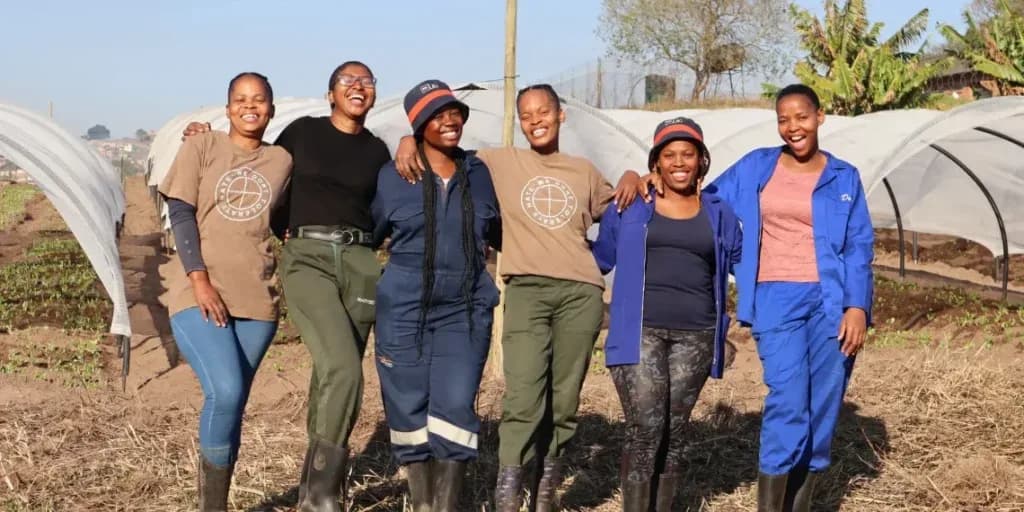
Honouring Woman in Agriculture
With August still being Women’s Month, it is important to acknowledge that women make a major contribution in various sectors, including the agricultural sector. Women are the backbone of food security, but they are often shadowed by their male counterparts.
According to the United Nation’s Food and Agriculture Organization (FAO), women make up to 50 to 80 percent of the agricultural sector where they produce most of the subsistence food and assist in producing cash crops. FAO stated that if women had the same access to resources like men, the productivity of agriculture would grow by up to 30 percent agricultural output and other developing countries would also increase by 4 percent and the number of impoverished people would reduce by about 17 percent.
It is important to note that women have made significant contributions, but they still face several challenges in the agricultural sector such as:
- Training and education: women in rural areas have limited access to agricultural training and education, and this gap can hinder them from adopting modern farming techniques and improve productivity.
- Land ownership: traditional customs and legal barriers prevent women from owning land, and the lack of land ownership slows down their capacity to invest and expand their farming operations.
- Accessing funds: this point is one that restricts women the ability to purchase inputs, machinery, and other important recourses.
- Market access: women often struggle to access lucrative markets, which limits their income and economic possibilities, and this goes with inadequate infrastructure and transportation challenges.
Empowering and skilling women in agriculture requires a different approach that emphases skills development and education. Some initiatives that can make this happen include:
- Agricultural programs where they provide women with access to training in modern practices, finical literacy and business management can improve their productivity and economic viability.
- Equipping them with the agricultural technologies can improve efficiency. These include access to irrigation systems, mechanized tools and mobile-based agriculture information services.
- Ensuring they have the credit and financial services is an important key.
- Lastly having connections between women farmers and markets can enhance their income potential. This can be done through cooperatives, farmers associations, and digital platforms that connect producers with buyers.
Acknowledging and honouring the role women in farming is crucial for prompting more diverse and successful agricultural industry in South Africa.
Main Image: Food For Mzansi