Africa’s Gold Producers Tighten Grip Amid gold price increase
Gold prices are projected to continue their upward trajectory into the second quarter of 2026, with several financial institutions forecasting significant gains. For Africa’s leading gold producers, this bullish outlook is already shaping fiscal policies, royalty systems, and beneficiation strategies aimed at ensuring nations capture more value from their mineral wealth. Price Forecasts for Q2
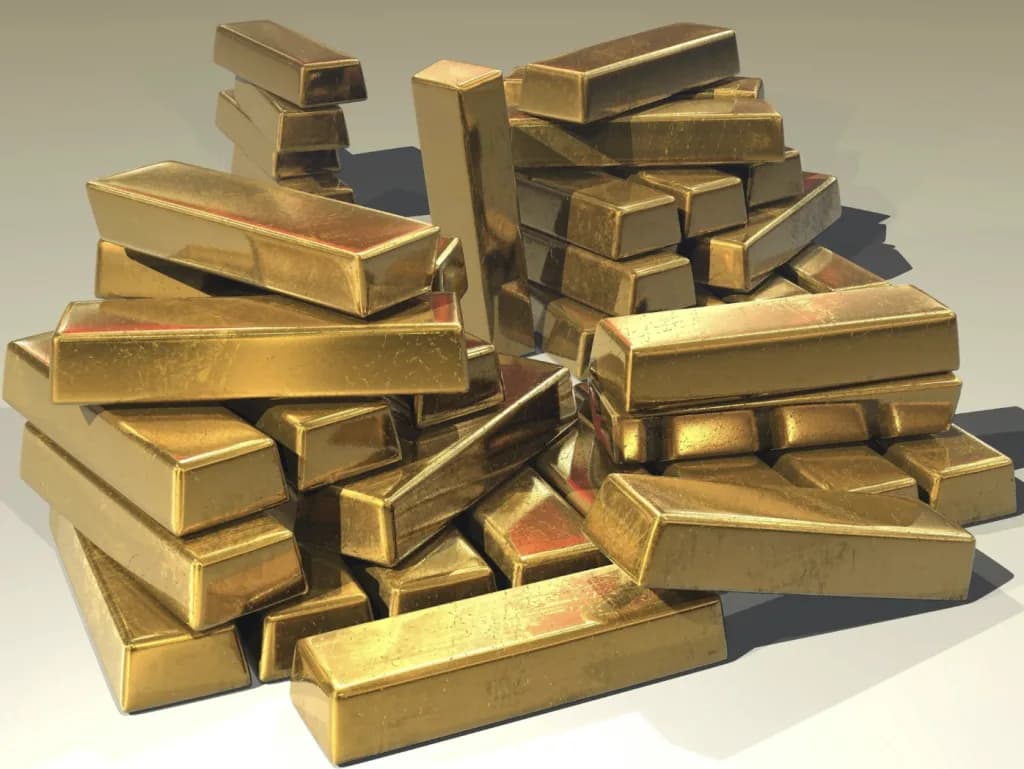
Africa’s Gold Producers Tighten Grip Amid gold price increase
Gold prices are projected to continue their upward trajectory into the second quarter of 2026, with several financial institutions forecasting significant gains. For Africa’s leading gold producers, this bullish outlook is already shaping fiscal policies, royalty systems, and beneficiation strategies aimed at ensuring nations capture more value from their mineral wealth.
Price Forecasts for Q2 2026
Analysts remain optimistic about gold’s near-term performance. Goldman Sachs anticipates prices reaching $4,000 per ounce by mid-2026, citing strong central bank demand and expected monetary easing from the U.S. Federal Reserve. J.P. Morgan projects gold to average $3,675 per ounce by Q4 2025, climbing toward $4,000 by the second quarter of 2026, supported by investor appetite and reserve accumulation. Meanwhile, UBS forecasts prices could even hit $4,100
per ounce by mid 2026, driven by persistent economic pressures in the U.S. and robust central bank buying.
These forecasts, if realized, would put gold at record highs and substantially boost revenues for African producers.
Drivers Behind the Outlook
Several factors are driving this rally
- Federal Reserve Policy: Rising expectations of U.S. rate cuts make gold more attractive as a non-yielding safe-haven asset.
- Economic Uncertainty: Concerns over U.S. fiscal pressures, including potential government shutdowns, have weakened the dollar and strengthened gold’s position.
- Investment Demand: ETFs and institutional investors are increasing allocations to gold, reinforcing upward momentum.
At the same time, risks such as market volatility and unpredictable geopolitical events ranging from conflicts in Ukraine to tensions in the Middle East could still cause price swings, though most analysts believe the structural demand trend remains intact.
Rising Gold Prices Spark Policy Shifts
In Burkina Faso, royalty rates now rise progressively with the gold price, hitting 6.5% to 7% when bullion trades above $1,700 per ounce. Mali introduced a sliding-scale royalty model in its 2023 mining code, linking state revenue directly to price movements.
Ghana, the continent’s top producer, has increased levies on gross production, while Ivory Coast raised royalties to a flat 8% of annual revenue for certain producers, up from earlier flexible rates. These adjustments reflect a broader regional effort to capture more value during a period of historic prices.
Beneficiation as a Development Strategy
Governments are also doubling down on beneficiation processing minerals locally rather than exporting raw ore.
South Africa continues to support downstream industries like refining and jewelry manufacturing, with the Minerals Council emphasizing beneficiation’s role in industrialization. Senegal has built beneficiation incentives directly into its mining code by offering favorable royalty rates for onshore-refined gold compared to offshore-refined exports.
These measures are designed to increase government revenues, create jobs, expand industrial capacity, and shift African economies up the value chain.
Reforms extend beyond taxation and processing incentives. Senegal now mandates a 10% free-carried state interest in projects, with the option to buy up to 25% equity. Mali has also expanded state participation, strengthening its control and oversight of strategic mining operations. Such moves ensure governments share directly in profits while shaping decision-making processes.
Challenges to Implementation
Despite progress, challenges remain. High royalties risk deterring foreign investment, especially in regions with elevated security risks or weaker infrastructure. Mining companies in Ghana and Ivory Coast have already pushed back against sudden tax increases, warning of reduced competitiveness.
Beneficiation ambitions face practical hurdles too. Local refining requires skilled labor, reliable electricity, and significant capital investment resources not always readily available. Furthermore, artisanal and small-scale mining, which accounts for a large portion of Africa’s gold production, often operates outside formal structures, limiting state revenue capture.
Striking the Balance
As gold climbs toward the $4,000–$4,200 range projected for Q2 2026, Africa’s gold producers face a balancing act. Governments must ensure fiscal systems, beneficiation incentives, and state participation translate into tangible national benefits while maintaining conditions favorable to sustained investment.
If implemented effectively, these reforms could turn Africa’s current gold boom into long-term development gains. But success will depend on finding the right equilibrium between maximizing revenues, encouraging local value addition, and sustaining investor confidence.