Glencore’s South Africa Ferrochrome Operations Hangs in the Balance as Power Talks Stall
Glencore’s ferrochrome operations in South Africa face growing uncertainty as negotiations with government over discounted electricity tariffs continue to stall. The company has made it clear that without lower power costs, its smelters—already operating at a loss—cannot remain viable, putting as many as 1,500 jobs at risk. Power Costs and Ongoing Negotiations At the centre
Glencore’s South Africa Ferrochrome Operations Hangs in the Balance as Power Talks Stall
Glencore’s ferrochrome operations in South Africa face growing uncertainty as negotiations with government over discounted electricity tariffs continue to stall. The company has made it clear that without lower power costs, its smelters—already operating at a loss—cannot remain viable, putting as many as 1,500 jobs at risk.
Power Costs and Ongoing Negotiations
At the centre of the issue is the cost of electricity, a long-standing pressure point for South Africa’s energy-intensive industries. On 27 February, Eskom offered discounted power rates to the country’s two largest ferrochrome producers, including Glencore, in an effort to keep operations running. However, the proposed terms have yet to secure agreement.
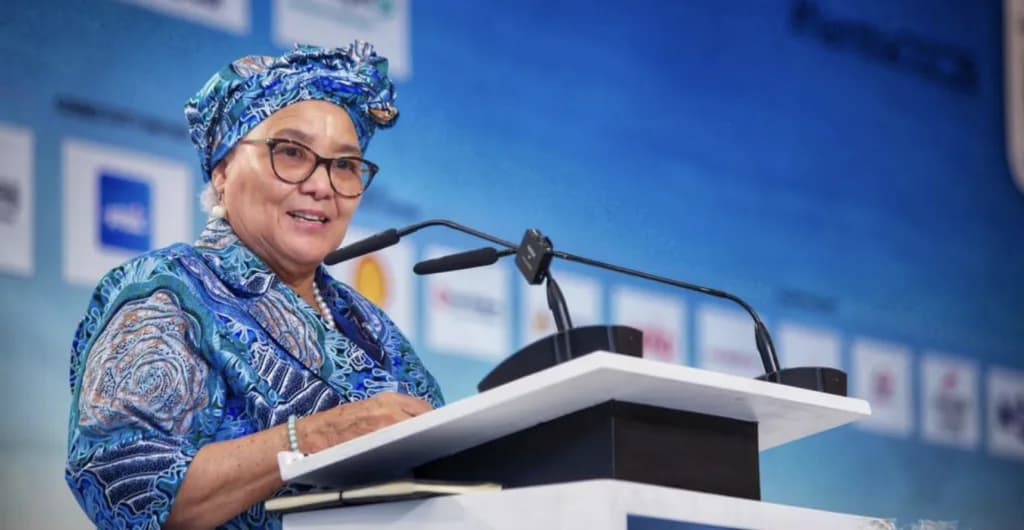
Japie Fullard, CEO of Glencore Ferroalloys, confirmed that the company remains in active discussions with government officials. Despite this, he has been firm in his position that the current offer does not go far enough. “The conditions, as they stand, unfortunately do not allow me to sign. This means that, if no agreement is reached, we will walk away from the 62-cent deal,” he said while addressing delegates at a mining conference in Johannesburg.
Jobs at Risk as Deadline Nears
To allow more time for negotiations, Glencore has postponed its planned layoffs until 31 March. The move provides a temporary reprieve for workers, but Fullard has warned that up to 1,500 positions could still be cut if talks fail to produce a workable solution.
The situation stands in contrast to Samancor Chrome, another major ferrochrome producer that also received a discounted electricity offer. Despite ongoing discussions, Samancor has indicated it will proceed with workforce reductions, underscoring the urgency and severity of the sector’s challenges.
Industry Pressure and What Comes Next
Any final agreement remains subject to approval by the National Energy Regulator of South Africa (Nersa), and the full details of the tariff structure have not been made public. This adds another layer of uncertainty to an already fragile situation.
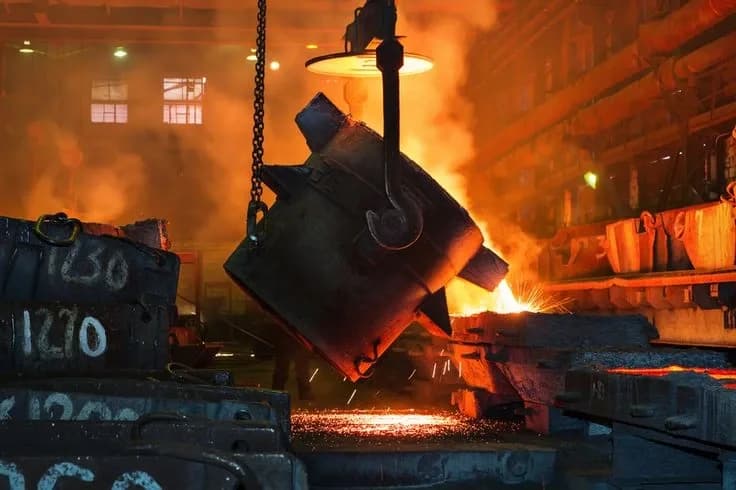
The consequences are already visible. Of the 66 potential ferrochrome smelting operations in South Africa, only 11 remain active. Without a resolution on energy pricing, more closures could follow, further eroding the country’s position in the global ferrochrome market.
For now, the industry remains in a holding pattern, with the outcome of negotiations set to determine whether Glencore can sustain its operations or whether another wave of shutdowns and job losses is imminent.