Ghana puts $10 billion behind agriculture and agro-processing
Ghana plans to spend $10 billion over the next four years across seven sectors, with agriculture and agro processing taking half of the money. The size of the programme makes it a major government investment story. But there is another part worth watching: what it could mean for Ghana's smaller businesses. President John Mahama announced
Ghana puts $10 billion behind agriculture and agro-processing
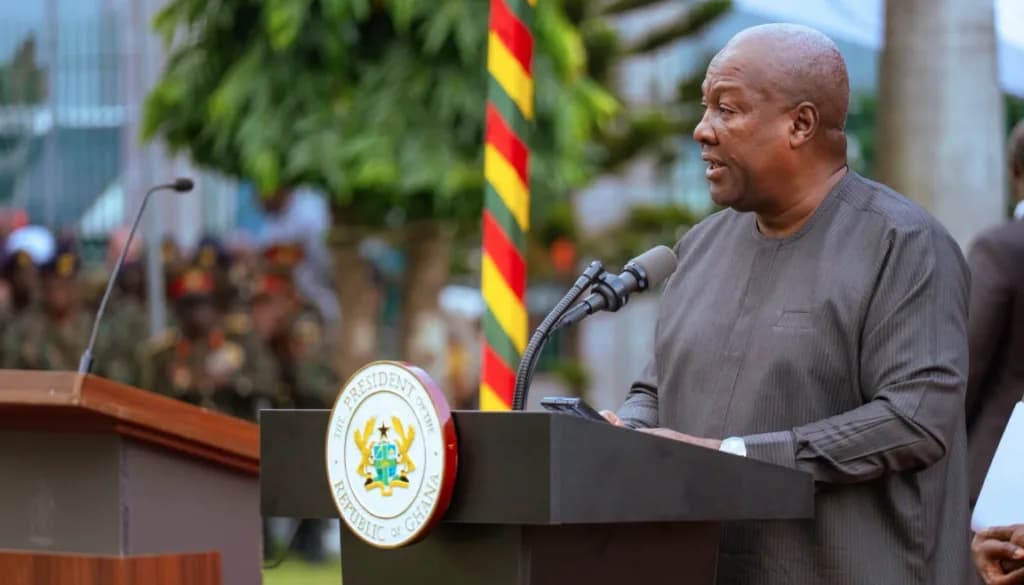
Ghana plans to spend $10 billion over the next four years across seven sectors, with agriculture and agro processing taking half of the money. The size of the programme makes it a major government investment story. But there is another part worth watching: what it could mean for Ghana’s smaller businesses. President John Mahama announced the programme during a visit to the Upper East Region. The government plans to spend around $2.5 billion a year through what it calls the “New Economy” programme. The government will put $5 billion into agriculture and agro-processing. For SMEs and startups, the opportunity may not come through direct government funding. Instead, it could come from the new business activity around these projects. The government’s plans include irrigation, food production and agro processing. In the Upper East Region, Mahama said the government wants to rehabilitate the Pwalugu Tomato Processing Factory and support about 2,500 acres of tomato production. It also plans to complete the Tamne irrigation dam, which should support farming in four districts around Bawku. More production means more than farmers working in fields. Farmers need equipment, seeds, fertiliser, irrigation services and transport. After farmers harvest their crops, they need storage and buyers. That creates opportunities for businesses that provide those services.
Startups could find opportunities in the gaps
Agriculture is also becoming a technology business. As more farmers move towards commercial production, startups can provide tools for farm management, irrigation monitoring, digital marketplaces and payments. A startup does not have to build a huge agricultural platform. It could focus on one problem, such as helping farmers find buyers or helping small producers track sales and expenses. The same applies to fintech. Farmers, transporters, suppliers and processors all need to move money between each other. More activity in the agricultural supply chain could increase demand for payment services, collections, working capital and other financial products.
The government’s decision to put $5 billion into agriculture and agro processing also points to a push to do more with crops after farmers harvest them. That could create room for smaller food processing businesses. Businesses can turn tomatoes into sauces and other packaged products. They can dry or process onions and other crops. Some businesses can also supply larger manufacturers rather than compete with them. The Pwalugu factory is one example of the government’s approach, but the opportunity does not have to stop with large processing plants. Smaller processors can serve regional markets and build businesses around crops produced in their own areas.
There is also a logistics and packaging opportunity
More agricultural production means more goods moving between farms, factories, warehouses and shops. That could benefit smaller transport and logistics companies, particularly those operating in farming regions. Storage could become another area of demand. For products such as tomatoes, getting the crop to a buyer quickly can determine whether a farmer makes money or loses part of the harvest. Packaging businesses could also benefit as more companies process and sell agricultural products locally. Food producers need bottles, containers, labels, cartons and other materials. The government’s irrigation and processing projects will also need companies to build, install and maintain them. That includes construction firms, engineering businesses, equipment suppliers and maintenance companies. Large projects often go to major contractors, but smaller businesses can still find work through subcontracting and supply agreements. The question is whether Ghana’s procurement process gives those businesses a realistic chance to participate.
The opportunity depends on how the money is spent
The $10 billion figure sounds impressive, but it does not automatically mean SMEs will benefit. If large companies take most of the contracts, the wider business impact will remain limited. Smaller businesses need access to contracts, financing and information about upcoming projects. They also need to meet procurement requirements and deliver at the scale that larger customers expect. That is where the government will have to show that the programme goes beyond a large spending announcement. Ghana’s $10 billion programme could create a chain of business opportunities. A farmer needs irrigation equipment. A processor needs crops. A factory needs transport. A food producer needs packaging. A supplier needs payments and working capital. These businesses do not necessarily need to receive money directly from the government’s $10 billion. They need the projects to create enough economic activity for customers to spend money with them. For Ghana’s SMEs and startups, that may be the more important part of the programme.