Ghana Moves to Tighten Oversight of Gold Fields' Tarkwa Lease Renewal
Ghana has indicated that the renewal of Gold Fields' mining lease for the Tarkwa mine will not be automatic when it expires in 2027, introducing greater scrutiny of long-term mining concessions. The Tarkwa operation is one of Gold Fields' most important assets, producing approximately 427,000 ounces of gold in 2025, with an estimated value of
Ghana Moves to Tighten Oversight of Gold Fields' Tarkwa Lease Renewal
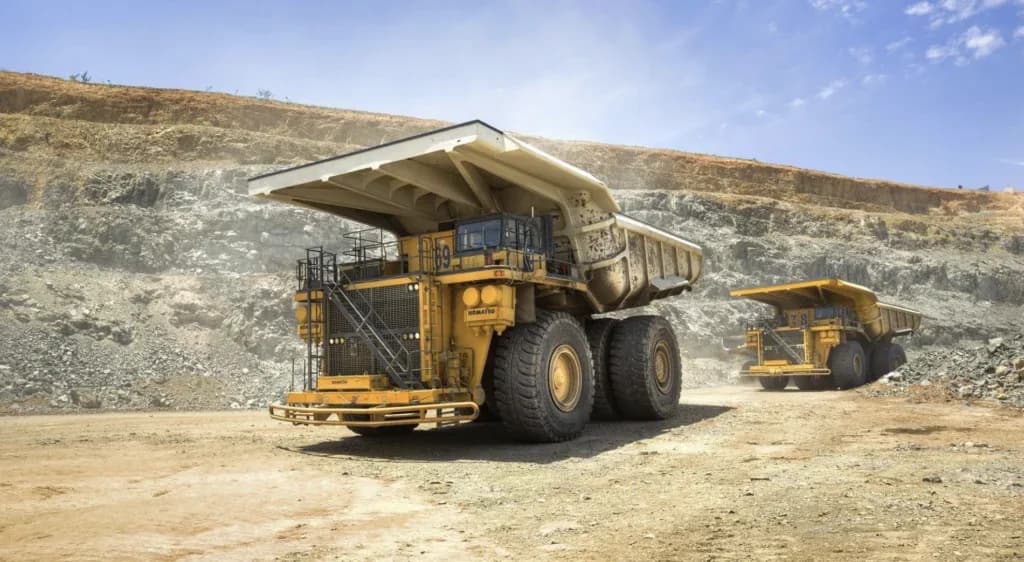
Ghana has indicated that the renewal of Gold Fields’ mining lease for the Tarkwa mine will not be automatic when it expires in 2027, introducing greater scrutiny of long-term mining concessions.
The Tarkwa operation is one of Gold Fields’ most important assets, producing approximately 427,000 ounces of gold in 2025, with an estimated value of around US$1 billion. While the company remains engaged with Ghanaian authorities ahead of the lease expiry, officials have made it clear that any extension will be subject to a comprehensive review process rather than routine approval.
According to Reuters, Minerals Commission Chief Executive Isaac Andrews Tandoh said the government has continued discussions with Gold Fields and is not delaying the renewal process. However, he stressed that companies seeking lease extensions will be expected to demonstrate broader economic benefits beyond mineral extraction.
Under the revised approach, mining companies will be required to present detailed development plans outlining commitments to local value addition, technology transfer, skills development and community investment. Applications will first be assessed by a technical committee before proceeding to ministerial review, where a final decision on renewal will be made.
“It won’t be business as usual where we just automatically renew the lease,” Tandoh said, underscoring the government’s intention to apply closer scrutiny to future mining agreements.
Greater Emphasis on Local Participation
The position reflects a broader policy direction aimed at increasing the benefits Ghana derives from its mineral resources. Authorities have repeatedly stated that mining operations should contribute more directly to local employment, knowledge transfer and economic development.
The government’s approach became evident earlier this year when it rejected Gold Fields’ lease renewal application for the Damang mine and temporarily assumed operational control of the asset. The decision was among the most significant interventions in Ghana’s mining sector in recent years and drew attention across the industry.
Following the transition, operations at Damang were awarded to Ghanaian mining and construction company Engineers & Planners (E&P), owned by businessman Ibrahim Mahama. The company emerged as the preferred bidder through a competitive tender process, with regulators citing its technical capabilities, financial resources and operational experience as key considerations.
The transfer was widely viewed as part of Ghana’s effort to expand domestic participation in the mining sector and strengthen local ownership of strategic mineral assets.
Balancing Investment and Economic Value
Despite the tougher regulatory stance, government officials have sought to reassure investors that Ghana is not pursuing a policy of widespread nationalisation. Lands and Natural Resources Minister Emmanuel Armah Kofi Buah told Reuters that the government’s objective is to work with mining partners that contribute skills, expertise and opportunities for Ghanaian participation throughout the value chain. Officials maintain that future lease renewals will be assessed on their economic contribution to the country rather than on ownership considerations alone.
For Gold Fields, the upcoming Tarkwa lease review will be closely watched by investors and industry participants. The outcome could provide a clearer indication of how Ghana intends to balance foreign investment with its push for greater local participation and long-term economic value from the mining sector.