Germany's company bike leasing boom slows, but millions are still riding
Germany's company bike leasing market is no longer growing at the pace it did a few years ago. New figures from Deloitte and cycling industry association Zukunft Fahrrad show that revenue in the sector fell by 4% to €2.8 billion in 2025, while the number of new leasing contracts declined by 5% to around 720,000.
Germany's company bike leasing boom slows, but millions are still riding
Germany’s company bike leasing market is no longer growing at the pace it did a few years ago. New figures from Deloitte and cycling industry association Zukunft Fahrrad show that revenue in the sector fell by 4% to €2.8 billion in 2025, while the number of new leasing contracts declined by 5% to around 720,000. The slowdown comes after several years of rapid growth, fuelled by tax incentives, rising e-bike sales and growing interest in alternative forms of transport.
However, the decline in new contracts does not mean fewer people are riding company bikes. Because most leasing agreements run for several years, the total number of leased bicycles on German roads continues to increase. Around 2.2 million people were using company bikes in 2025, compared with 2.1 million the year before. More than 60,000 employers now offer bicycle leasing as an employee benefit. Electric bicycles continue to dominate the market. According to the study, e-bikes made up 77% of all new leasing contracts signed last year. The popularity of leasing has helped bring expensive e-bikes within reach of more consumers. The average leased bicycle costs about €3,500, with monthly payments often proving more attractive than a large upfront purchase. Germany’s e-bike fleet has grown to around 17.2 million units, nearly seven times the level recorded a decade ago. The study estimates that roughly one-third of e-bikes owned by German households were acquired through leasing arrangements.
SAP among the early adopters
Large employers remain some of the biggest supporters of company bike schemes. Software giant SAP introduced bike leasing in Germany in 2011 and says around half of its local workforce now participates. That translates into roughly 13,000 active leasing contracts. The company also offers supporting services such as bike inspections and safety training, although access to discounted bicycles remains the main draw for most employees.
While awareness of bike leasing is high, many workers remain hesitant to sign up.A survey conducted as part of the Deloitte report found that only 17% of respondents expect to lease a bicycle within the next 12 months. The biggest concern is the length of the contracts. Nearly four in ten respondents said the typical three-year commitment put them off. Others worried about what would happen if they changed jobs before the lease expires, while some said the terms and conditions were difficult to understand. Those concerns may help explain why the market is finding it harder to attract new participants than it did during its strongest growth years.
A market entering a different phase
A handful of providers now dominate Germany’s company bike leasing sector, including Bikeleasing, JobRad, BusinessBike, Eurorad and Kazenmaier Leasing. Together they account for most contracts in the market. Some providers have recently announced job cuts despite the industry’s overall workforce increasing to around 2,100 employees in 2025. That suggests companies are preparing for a market where growth is harder to come by than it was a few years ago. The focus is also starting to shift towards returned bicycles as more lease agreements reach the end of their term. Many of these bikes still hold considerable value and are finding their way into the second-hand market.
Leasing is only part of the picture
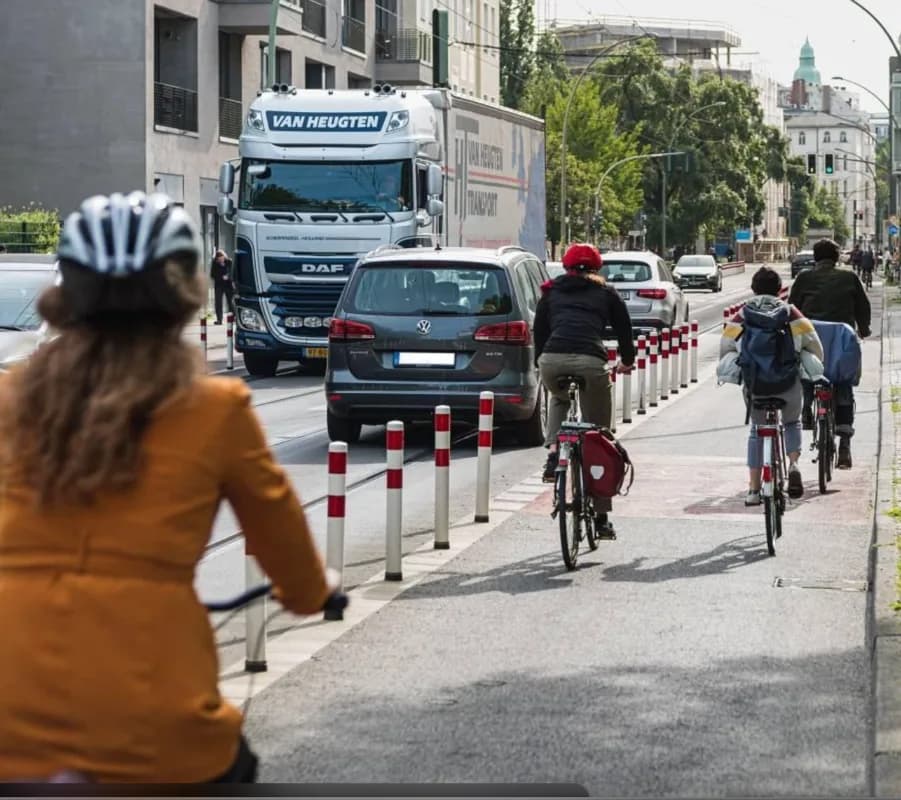
The growth of company bike leasing has made bicycles more accessible, particularly e-bikes.Whether more people choose to cycle, however, depends on factors that sit largely outside the leasing industry. Safe cycling routes, secure parking and suitable infrastructure continue to influence how often bicycles are used for daily transport. A bike may be easier to acquire than it was a decade ago. The harder question is whether commuters feel comfortable riding it to work.