How Far Has Gearless Mill Drive Technology Advanced in African Mining?
Gearless Mill drive (GMD) technology has been part of global large-scale mining for decades, particularly in high-tonnage copper and gold operations in South America and Australia. In Africa, however, its trajectory has been more measured. The technology is neither new to the continent nor widespread across all operations. Instead, its adoption has been selective, concentrated
How Far Has Gearless Mill Drive Technology Advanced in African Mining?
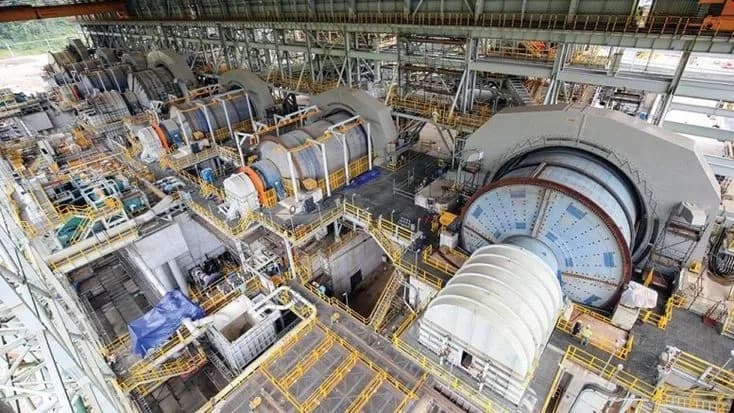
Gearless Mill drive (GMD) technology has been part of global large-scale mining for decades, particularly in high-tonnage copper and gold operations in South America and Australia. In Africa, however, its trajectory has been more measured. The technology is neither new to the continent nor widespread across all operations. Instead, its adoption has been selective, concentrated in large processing plants where scale, energy intensity and throughput justify the capital investment.
At a technical level, a GMD removes the mechanical gearbox and pinion assembly used to rotate SAG and ball mills. Instead, the motor encircles the mill shell, transferring torque electromagnetically. Fewer moving components mean reduced mechanical wear and more efficient energy transfer. The real test, however, is commercial: do these engineering gains translate into durable financial value in African operating environments?
In Southern Africa’s platinum and gold sectors, GMD systems feature in high-capacity grinding circuits where uptime is critical, and process stability directly affects output. In copper-producing regions further north, multi-megawatt gearless systems power some of the continent’s largest concentrators. These are typically Tier-1 assets, were even marginal efficiency improvements compound across significant daily throughput volumes.
Energy, Cost and ESG Pressure
Energy sits at the centre of the investment case. Comminution can consume up to half of a processing plant’s electricity. In markets where tariffs are rising or grid reliability is uneven, drive efficiency moves from a technical consideration to a financial one. Small percentage improvements in energy transfer can materially affect operating expenditure over the life of a mine. For operators navigating carbon disclosure requirements and tighter ESG scrutiny, lower energy intensity per tonne processed also strengthens compliance positioning.
Even so, deployment remains weighted toward large-scale Mining projects. Mid-tier and smaller operations often retain conventional geared systems due to lower upfront costs and simpler installation. Gearless technology requires specialised engineering, precise commissioning and advanced maintenance capability. While local expertise has expanded, the ecosystem still leans heavily on multinational suppliers for installation, optimisation and high-level diagnostics.
Integration as the Real Differentiator
The most visible progress is not mechanical, but digital. Modern GMD systems across Africa are integrated into plant-wide monitoring platforms, feeding predictive maintenance models and real-time performance analytics. Drive systems now sit within broader operational data environments rather than functioning as isolated pieces of heavy equipment. Remote diagnostics, condition monitoring and advanced control algorithms are improving availability and pushing component life further. In this respect, Africa tracks closely with global developments, even if installation volumes remain lower than in Latin America.
Adoption will hinge on three things, energy pricing, access to capital and production scale. As Mining operators pursue higher throughput to remain competitive on the cost curve, the economic case for high-efficiency drive systems strengthens. At the same time, financing constraints and jurisdictional risk may temper rollout in newer projects.
So how far has GMD technology advanced in Africa? It is firmly embedded in large, energy-intensive operations, but it is not the default configuration. Deployment follows economics. Where scale, power demand and long-term production profiles align, gearless systems make sense. Where they do not, conventional solutions remain competitive. The technology’s future on the continent will continue to reflect that balance.