Ford's Strategic Shift: Delayed EVs, Hybrid Focus, and the Start-up Mentality
In a recent announcement, Ford revealed a strategic shift in its production plans, notably delaying the release of two highly anticipated electric vehicles (EVs). The next-generation EV pickup and a three-row EV SUV, initially slated for 2026 and 2027 respectively, now face delays of one and two years. In place of these deferred models, Ford
Fords-Strategic-Shift-Delayed-EVs-Hybrid-Focus-and-the-Start-up-Mentality
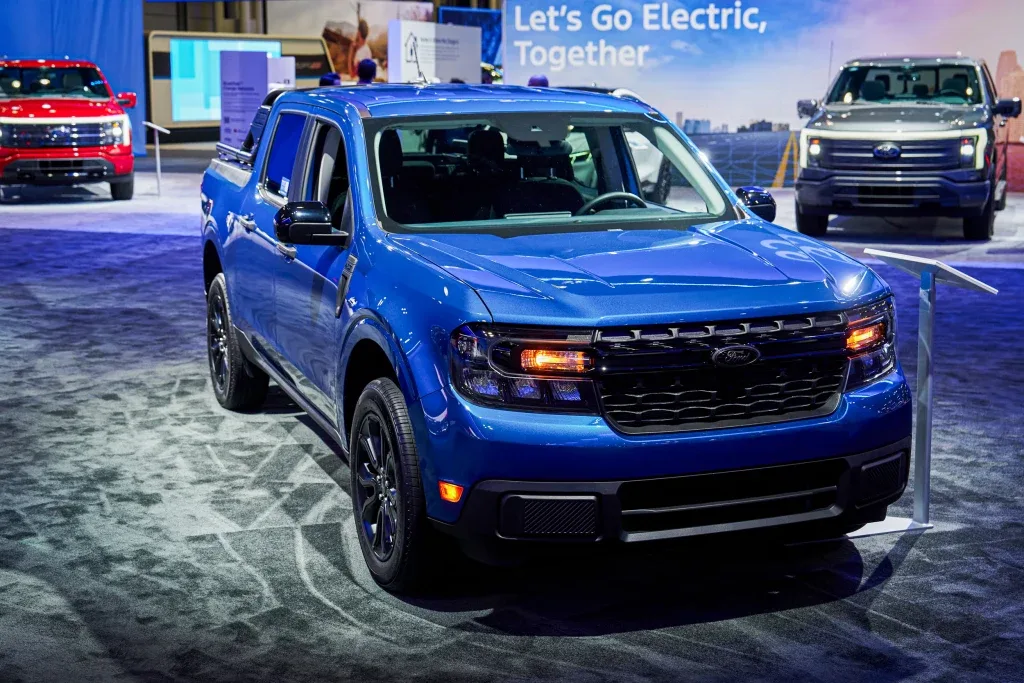
In a recent announcement, Ford revealed a strategic shift in its production plans, notably delaying the release of two highly anticipated electric vehicles (EVs). The next-generation EV pickup and a three-row EV SUV, initially slated for 2026 and 2027 respectively, now face delays of one and two years. In place of these deferred models, Ford will introduce hybrids across its U.S. line-up, marking a significant adjustment in its electric vehicle strategy.
CEO Jim Farley’s foresight in telegraphing these delays for months underscores the company’s proactive approach to market dynamics. Last fall, Ford deferred $12 billion in planned investments, hinting at forthcoming adjustments. Farley’s recent emphasis on the long-term importance of hybrids in the industry further solidifies the rationale behind the strategic pivot.
The announcement is likely to be met with approval from Wall Street, particularly following Toyota’s notable sales surge in the United States driven by hybrid demand. Ford’s strategic realignment aims to enhance cash flow and short-term profitability, aligning with prudent business tactics, especially in times of uncertainty.
However, Ford’s distinctiveness among established automakers lies in its ability to think and innovate like a start-up. Despite these EV delays, the company has historically excelled when it leads market shaping rather than reactive measures.
A prime example of this start-up mentality in action is the Mustang Mach-E, Ford’s electrifying crossover success story. Initially conceived as a conventional electric crossover, CEO Jim Hackett’s decision to overhaul the concept yielded remarkable results. This move propelled Ford to second place in U.S. EV sales, showcasing the potency of bold innovation.
This penchant for innovation echoes throughout Ford’s history, from the game-changing Taurus in the 1980s to the transformative Explorer in the 1990s. These paradigm shifts underscore Ford’s knack for anticipating and shaping consumer preferences, rather than merely reacting to them.
However, contemporary challenges, particularly in the realm of electric vehicles, demand a fresh approach. The success of models like the Mustang Mach-E and the F-150 Lightning has been tempered by pricing concerns and inadequate charging infrastructure. Addressing these challenges head-on, Ford is exploring innovative solutions, such as forming a skunkworks led by ex-Tesla executive Alan Clarke to develop a low-cost EV.
In essence, Ford’s strategic shift signifies more than a mere adjustment in production timelines; it reflects the company’s commitment to rekindling its entrepreneurial spirit. As the automotive landscape evolves, Ford’s ability to innovate and adapt will be crucial in shaping its future trajectory. If successful, these endeavours could breathe new life into Ford, reaffirming its status as a trailblazer in the automotive industry.