FlySafair Extends Fuel Surcharge as Jet Fuel Prices Surge
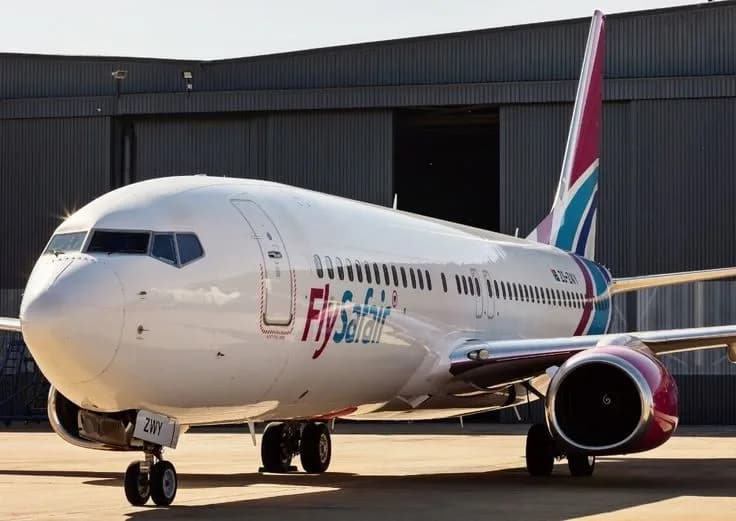
FlySafair has extended its ticket surcharge as rising fuel costs continue to pressure airline operations. The surcharge, first introduced in March, will remain in place until at least August, although its duration depends on how quickly geopolitical tensions ease. The cost pressure stems from the conflict in the Middle East, which has disrupted global oil
FlySafair Extends Fuel Surcharge as Jet Fuel Prices Surge
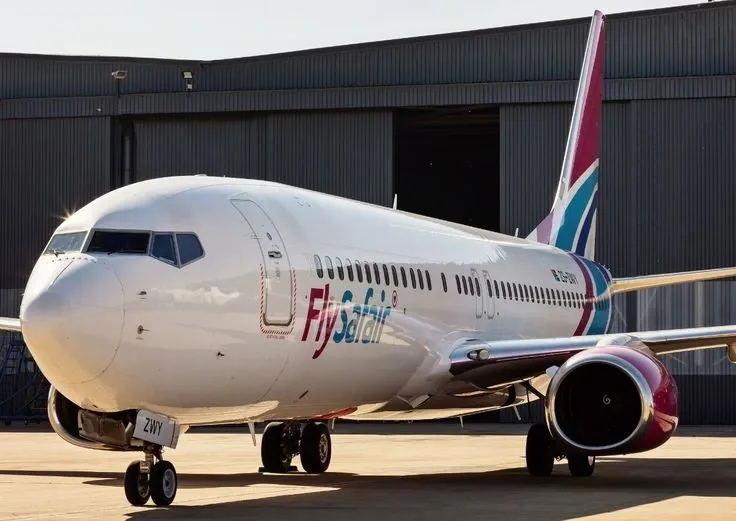
FlySafair has extended its ticket surcharge as rising fuel costs continue to pressure airline operations. The surcharge, first introduced in March, will remain in place until at least August, although its duration depends on how quickly geopolitical tensions ease.
The cost pressure stems from the conflict in the Middle East, which has disrupted global oil flows and pushed fuel prices higher. The situation has effectively limited movement through the Strait of Hormuz, a key corridor that carries around 20% of global oil supply. Tanker traffic through the route dropped sharply, with estimates indicating a 70–80% decline, tightening supply and driving price volatility.
For aviation, the impact has been immediate. Jet A1 fuel prices at South African coastal airports jumped by about 70% within the first week of the conflict. Fuel remains the largest cost component for airlines, accounting for roughly 50–55% of operating expenses, leaving limited room to absorb such increases without passing costs on to passengers.
Surcharge Timeline Linked to Market Uncertainty
FlySafair has extended the surcharge for another three months but has not set a fixed end date. The airline says the measure will remain in place for as long as fuel markets remain unstable, with ongoing assessments tied to global supply conditions.
According to Chief Marketing Officer Kirby Gordon, initial expectations were that the disruption would be short-lived. However, continued pressure on supply has forced the airline to revise that view and apply the surcharge across flights in the near term.
The surcharge is reviewed weekly, with adjustments made where possible. The airline notes that there have already been brief periods where costs eased slightly, allowing for minor reductions.
Summer Demand Adds Further Pressure
Seasonal demand in the northern hemisphere is adding another layer of pressure. Airlines in Europe and North America typically ramp up capacity during the summer months, increasing global jet fuel consumption. In an already constrained supply environment, this demand cycle is expected to keep prices elevated.
The conditions have also affected planning decisions. FlySafair says the current environment is not suitable for launching new routes or pursuing aggressive expansion. Instead, the focus remains on maintaining core operations and managing costs efficiently.
FlySafair is adjusting schedules and operational planning to respond to ongoing volatility in both fuel costs and passenger demand. The airline has modelled different scenarios, ranging from a rapid stabilisation in fuel markets to a prolonged period of elevated prices and geopolitical uncertainty.