Flying Overseas? South Africa Has Introduced a New Travel Rule You Cannot Ignore
From 1 July 2026, most travellers entering or leaving South Africa are required to complete an online traveller declaration before they travel. Here is what the new requirement means and how it could affect your next trip. Imagine arriving at the airport only to discover that you have missed a mandatory step before boarding your
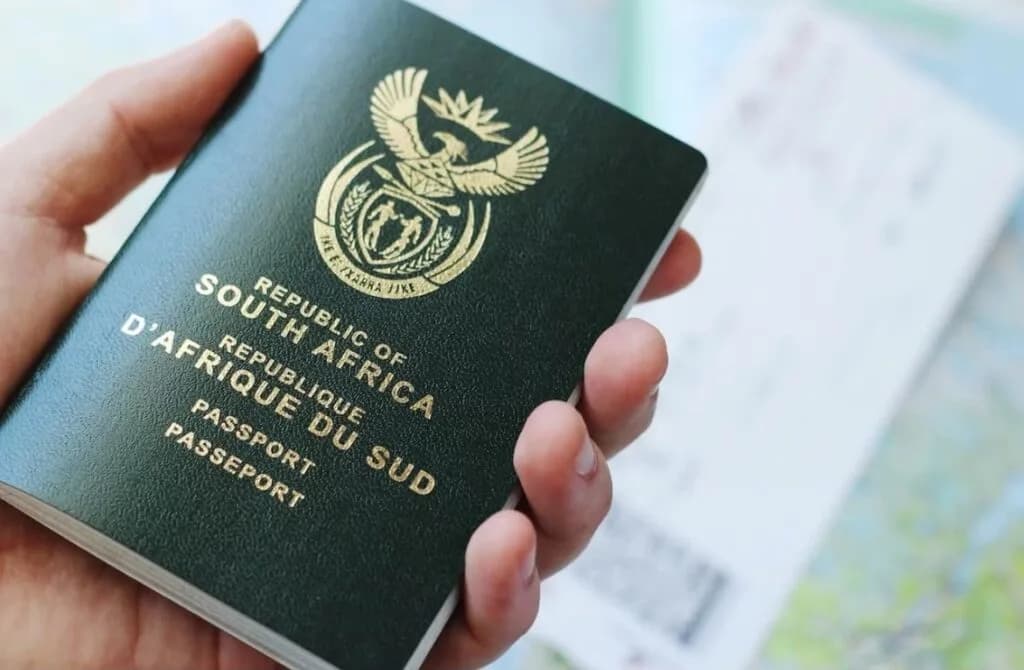
Flying Overseas? South Africa Has Introduced a New Travel Rule You Cannot Ignore
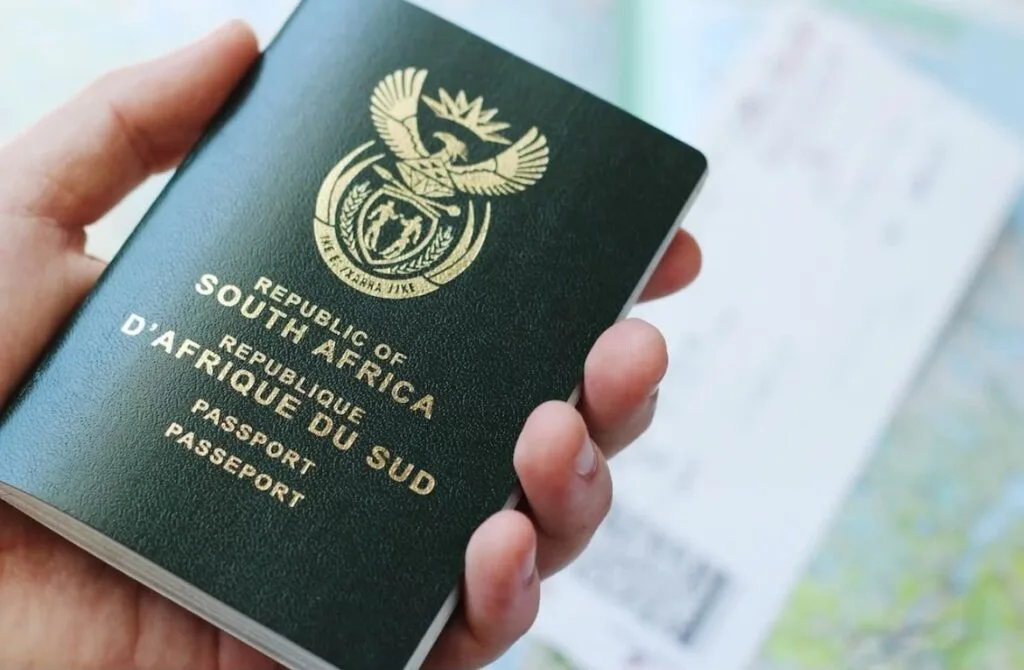
From 1 July 2026, most travellers entering or leaving South Africa are required to complete an online traveller declaration before they travel. Here is what the new requirement means and how it could affect your next trip.
Imagine arriving at the airport only to discover that you have missed a mandatory step before boarding your flight. That is the reality many South Africans could face following the introduction of the South African Revenue Service’s (SARS) new online traveller declaration, which became compulsory on 1 July 2026.
Who Needs to Complete the Online Traveller Declaration?
The online declaration forms part of SARS’ broader Customs modernisation programmeand is designed to streamline border processing, strengthen security and reduce administrative paperwork.
The requirement applies to most people entering or leaving South Africa by air, land, seaor rail, including South African citizens, permanent residents, foreign visitors and business travellers. The primary exception applies to passengers who are transiting through South Africa and remain within the international transit area without passing through Customs.
Travellers are required to submit their declaration within 24 hours before departure. Those travelling to South Africa on connecting flights must complete the declaration within 24 hours before the final leg of their journey. Importantly, the online declaration is completely free, and SARS has cautioned travellers against using third-party websites that claim to charge for the service.
What Information Must Travellers Provide?
As part of the process, travellers may be required to provide their passport or travel document details, travel itinerary, contact information and details of any accompanying travellers. They must also declare goods purchased abroad, currency above the prescribed legal threshold, valuable items and any restricted or controlled goods. Parents and legal guardians are permitted to complete declarations on behalf of children and infants travelling with them.
Once the declaration has been submitted, travellers will receive an electronic confirmation, which should be saved on a mobile device or printed and presented to customs officials if requested. Travellers who fail to submit a declaration, or who provide false or incomplete information, may face delays, additional inspections, penalties or, where applicable, the seizure of undeclared goods.
Although submitting the declaration is free, travellers may still be required to pay Customs duties or VAT if they bring goods into South Africa that exceed the applicable duty-free allowances. Declaring these items in advance can help reduce processing times and minimise delays at ports of entry.
Why Is SARS Introducing This System?
The introduction of the online declaration reflects SARS’ wider strategy to digitise Customs services and modernise South Africa’s border management systems. By enabling travellers to submit information before arriving at a port of entry, Customs officials are able to process passengers more efficiently, reduce paperwork and identify higher-risk declarations in advance. The move also aligns South Africa with a growing number of countries that are embracing digital border management to improve efficiency and strengthen border security.
Where Can Travellers Access the Declaration?
Travellers can complete their online traveller declaration through the official SARS Traveller Declaration portal before travelling: https://www.sars.gov.za/travellerdeclaration/
South Africa’s transition to mandatory online traveller declarations represents another step in the country’s digital transformation. If implemented effectively, the system has the potential to reduce administrative burdens, improve operational efficiency and create a smoother experience for international travellers.
However, as with any large-scale digital initiative, its success will ultimately depend on the experience of the people using it. Will this simplify international travel, or will it become another administrative requirement that adds frustration before every journey? That is a question many South Africans will be answering as they pass through the country’s airports and border posts in the months ahead.
by Botshelo Twala