The Business Behind South Africa's Illegal Mining
Every few months, South African police announce another operation targeting illegal mining. Arrests are made, explosives are confiscated and abandoned mine shafts are sealed. But within weeks, new operations emerge, sometimes just a few kilometres away. The resilience of illegal mining raises an uncomfortable question: Why does an industry subjected to constant law enforcement continue
The Business Behind South Africa's Illegal Mining
Every few months, South African police announce another operation targeting illegal mining. Arrests are made, explosives are confiscated and abandoned mine shafts are sealed. But within weeks, new operations emerge, sometimes just a few kilometres away. The resilience of illegal mining raises an uncomfortable question: Why does an industry subjected to constant law enforcement continue to grow?
The answer lies in understanding that illegal mining is not simply a criminal activity. It has evolved into an organised economic system with financing, logistics, labour, procurement, distribution and international buyers. Like any successful business, it adapts quickly to changing conditions, replacing lost assets almost as fast as they are removed.
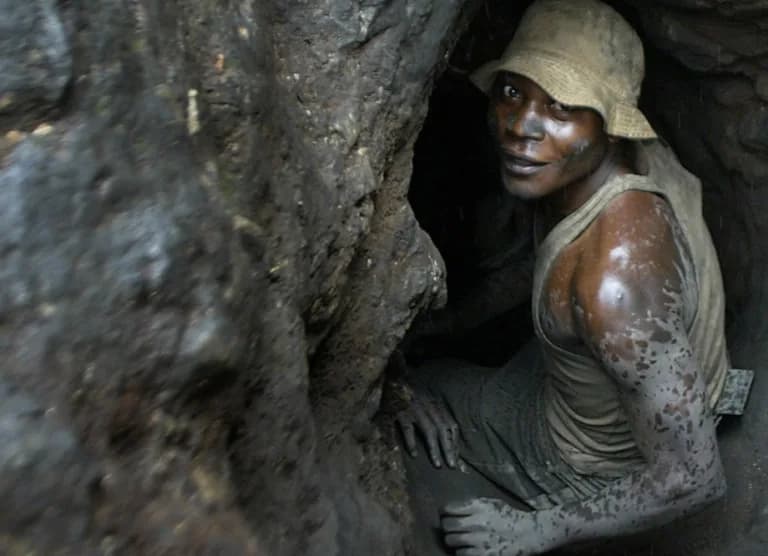
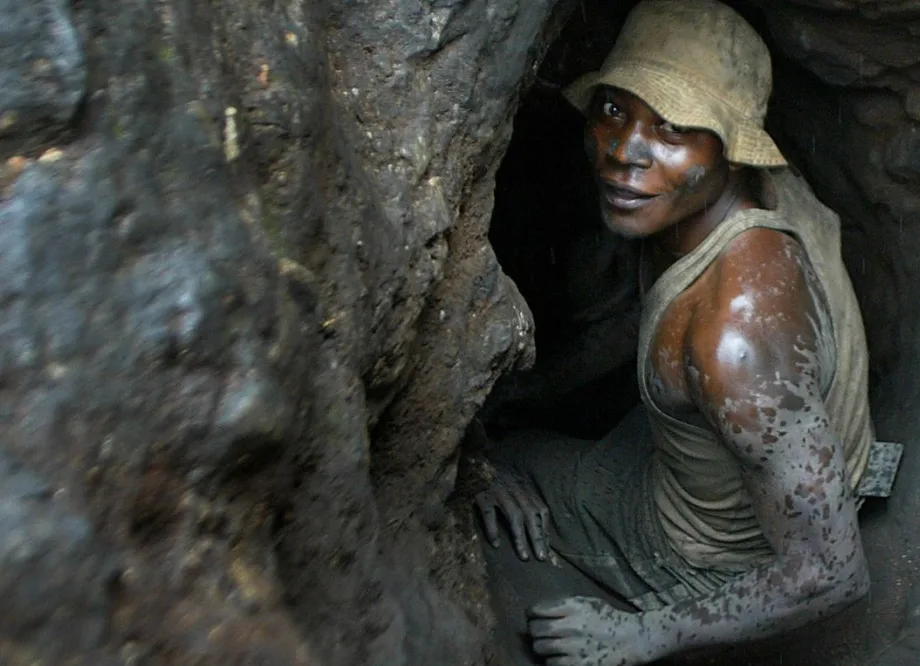
The people working underground are the most visible part of the industry, but they are not the biggest beneficiaries. Many operate under dangerous conditions for modest returns, while criminal syndicates further up the chain finance operations, supply equipment, transport ore, arrange processing and connect buyers to export markets. The real value is created long before the gold reaches an international refinery.
This business model also explains why enforcement remains difficult. Removing miners from a shaft does little to disrupt the financial networks that organise operations. As long as there are investors willing to finance equipment, buyers willing to purchase illegally sourced minerals and established routes to move products across borders, the system continues to regenerate.
Why the Trade Persists
Gold prices remain one of the biggest incentives for illegal mining. Record highs over the past two years have made even lower grade ore economically attractive. Material once discarded by commercial mines can now generate enough value to sustain illegal operations, effectively lowering the economic threshold for profitable extraction.
Those economics are reinforced by South Africa’s mining landscape. Decades of intensive mining have left thousands of abandoned shafts, tunnels and historical workings that are costly to secure permanently. For organised criminal groups, these sites provide ready-made infrastructure, requiring far less upfront investment than developing a legitimate mine.
Technology has further strengthened these networks. Criminal groups increasingly rely on encrypted messaging platforms, digital payment systems and cross-border communication tools to coordinate operations. This allows them to respond quickly to law enforcement activity, making strategies focused primarily on physical mine sites less effective.
The Cost of Chasing the Wrong Target
For mining companies, the costs extend beyond stolen minerals. Security budgets continue to rise, production can be disrupted, and infrastructure requires constant monitoring and repair. Investors evaluating mining jurisdictions increasingly consider security risks alongside geology, regulation and energy reliability when assessing long-term projects.
Perhaps the biggest misconception is that illegal mining is primarily a mining problem. In reality, it is a supply chain problem. Gold extracted illegally still requires transport, processing, financing, trading and eventually a buyer willing to introduce it into legitimate markets. Breaking one part of that chain simply takes activity elsewhere unless the entire network is disrupted.
South Africa’s response therefore faces a strategic choice. It can continue focusing primarily on the visible end of the industry the miners themselves or devote greater resources to dismantling the financial, trading and export networks that transform illegally extracted minerals into a profitable enterprise. As long as those commercial incentives remain intact, illegal mining is likely to remain one of the country’s most resilient underground businesses.