Ethiopian Plastic Upcycling Startup Kubik Secures $1.9 Million in Seed Extension Round
Kubik, an Ethiopian startup specializing in plastic waste upcycling, has announced a successful seed extension round, raising $1.9 million. This funding injection follows an initial equity investment and marks a significant milestone for the Addis Ababa-based company. The seed extension round was led by African Renaissance Partners, a prominent East African venture company, and attracted
Ethiopian Plastic Upcycling Startup Kubik Secures $1.9 Million in Seed Extension Round
Kubik, an Ethiopian startup specializing in plastic waste upcycling, has announced a successful seed extension round, raising $1.9 million. This funding injection follows an initial equity investment and marks a significant milestone for the Addis Ababa-based company.
The seed extension round was led by African Renaissance Partners, a prominent East African venture company, and attracted participation from Endgame Capital and King Philanthropies. Endgame Capital focuses on investments in climate change technologies, while King Philanthropies specializes in initiatives addressing climate issues and extreme poverty.
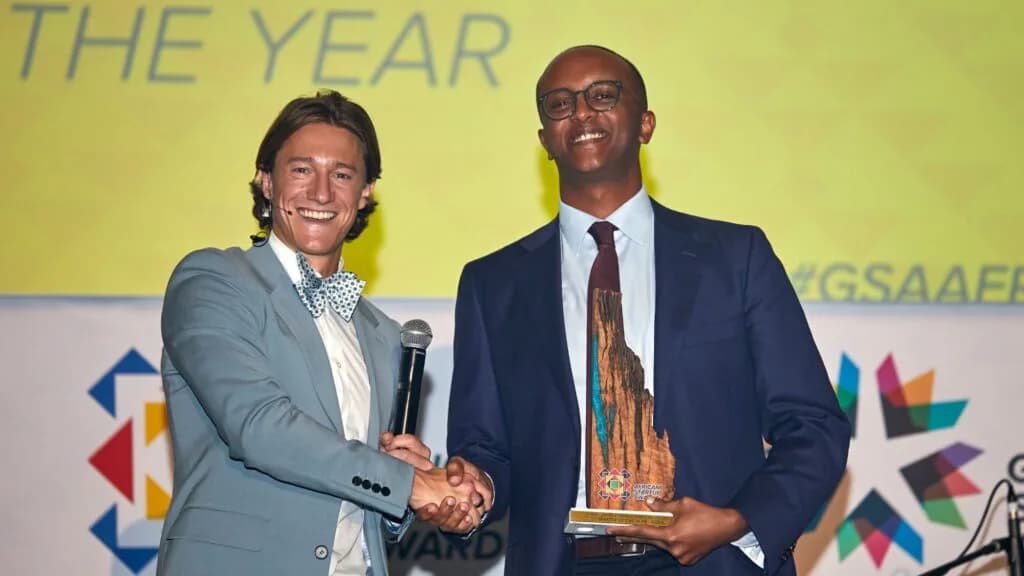
Kidus Asfaw, Co-founder and CEO of Kubik, expressed enthusiasm about the latest funding round and outlined the startup’s plans for expansion. With the launch of its factory, Kubik intends to scale its plastic upcycling operations in Ethiopia, particularly in Addis Ababa. Asfaw emphasized the company’s commitment to laying the groundwork for pan-African growth, slated to commence in 2025.
The global plastic waste crisis has become a pressing environmental concern, with approximately 430 million tonnes of plastic produced annually worldwide. This pervasive issue necessitates urgent and sustainable solutions, prompting the emergence of innovative ventures like Kubik.
Founded in 2021 by Kidus Asfaw and Penda Marre, Kubik specializes in recycling plastic waste and transforming it into high-quality building materials. By converting plastic waste into interlocking building components such as bricks, columns, beams, and jambs, Kubik aims to set a new standard for plastic waste recycling globally.
Using proprietary technology, Kubik produces low-carbon, durable, and cost-effective building materials from recycled plastic. Asfaw highlighted the company’s strategic approach, which involves licensing out its technology for broader adoption across Africa and beyond. By transitioning to a licensing model, Kubik aims to achieve scalable impact without the need for extensive factory infrastructure.
Currently, Kubik processes 5,000 kilograms of plastic waste daily, with the capacity to recycle up to 45,000 kilograms per day. The company has secured partnerships with corporate organizations and the Addis Ababa municipality to ensure a steady supply of plastic waste. Additionally, Kubik is exploring product diversification by expanding its range to include pavers and flooring materials.
Asfaw underscored the quality and versatility of Kubik’s building materials, emphasizing their ability to streamline construction processes and reduce costs. The company’s solutions enable developers to construct walls without cement, aggregates, or steel, resulting in faster and more affordable construction. Asfaw assured that Kubik’s building materials have undergone rigorous safety testing and comply with European standards for strength, toxicity, and flammability.
Kubik’s successful seed extension round reflects growing investor confidence in its innovative approach to plastic waste management and sustainable construction. With plans for strategic expansion and technology licensing, Kubik is poised to make a significant impact on the plastic waste recycling landscape, both locally and globally.