Eskom's Ferro-chrome Tariff Deal: Symptom of a Deeper Energy Crisis in South Africa's Metals Sector
As 2025 draws to a close, Eskom's negotiations for reduced electricity tariffs with the ferro-chrome industry highlight the precarious state of South Africa's energy-intensive manufacturing. In December 2025, Eskom signed a Memorandum of Understanding (MoU) with major producers like Samancor Chrome and Glencore-Merafe Chrome Venture, offering interim relief: tariffs dropping from current levels to around
Zambia to remain Africa’s second top copper producer after DRC – Chamber
As 2025 draws to a close, Eskom’s negotiations for reduced electricity tariffs with the ferro-chrome industry highlight the precarious state of South Africa’s energy-intensive manufacturing. In December 2025, Eskom signed a Memorandum of Understanding (MoU) with major producers like Samancor Chrome and Glencore-Merafe Chrome Venture, offering interim relief: tariffs dropping from current levels to around 87.7c/kWh immediately, potentially to 62c/kWh by early 2026. The National Energy Regulator of South Africa (NERSA) is reviewing these adjustments, with government intervention aimed at averting smelter closures. This deal responds to threats of shutdowns that could imperil thousands of jobs and South Africa’s position as a leading ferrochrome exporter.
Yet, this targeted relief raises broader questions. Why the ferro-chrome industry first? Industries processing aluminium, steel, manganese, and iron ore face similar vulnerabilities from soaring energy costs. High electricity prices have triggered a wave of retrenchments and closures in 2025, including Glencore-Merafe idling plants cutting over 3,000 jobs, Samancor issuing Section 189 notices, and threats to South Africa’s last manganese smelter.
Earlier in 2025, long-steel mills like those operated by ArcelorMittal South Africa wound down operations, citing uncompetitive energy expenses. Collectively, these sectors employ tens of thousands directly, with indirect jobs in mining and logistics amplifying the stakes, with estimates suggesting up to 300,000 jobs at risk across heavy industries.
The Source of The Metals Manufacturing Crises
The root cause traces back to Eskom’s tariff trajectory over the past decade. Since the 2008 electricity crisis, tariffs have skyrocketed far above inflation.
Historical Eskom Tariff Increases vs. CPI Inflation (2007–2025)
(Data approximated from Eskom historical records, NERSA approvals, and analyses by Codera and PowerOptimal.)
From 2007 to 2024 alone, nominal tariffs rose an astounding 937%, giving a compound annual growth rate (CAGR) of 14.75% per year, while consumer price inflation was just 155%. This has made South African industrial electricity among the world’s most expensive for energy-intensive users.
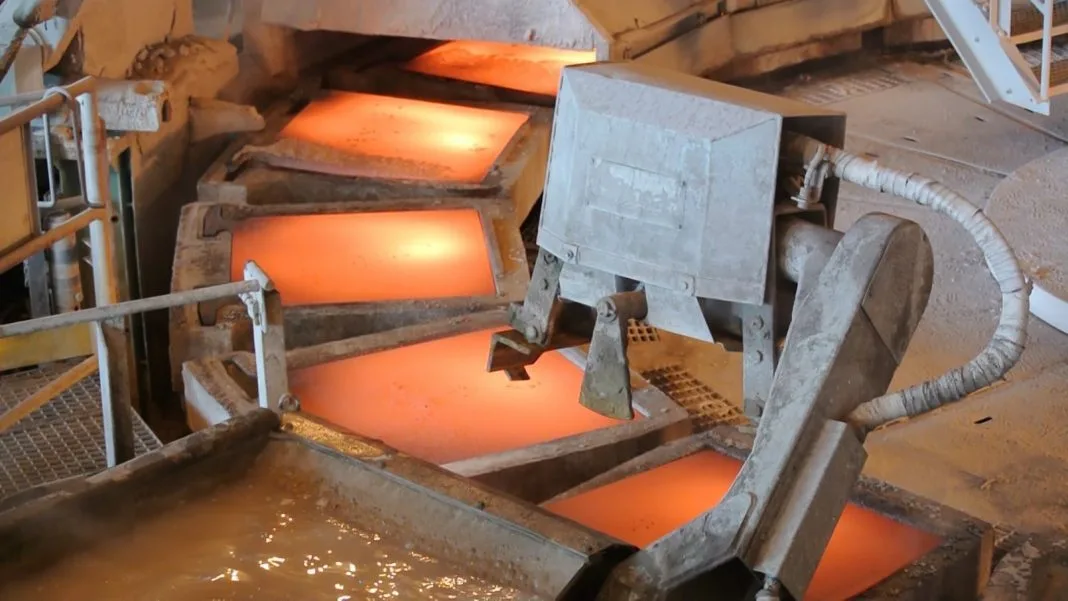
For the metals smelting industry, electricity is a dominant input cost. Ferro-chrome production requires about 4 MWh per tonne, accounting for 40–60% of total input costs depending on furnace efficiency and global chrome prices. Aluminium smelting is even more intensive (13–15 MWh/tonne), with energy often exceeding 40% of costs, while steel and manganese hover around 30–50%. A 10% tariff hike can directly erode bottom-line profitability by 4–6% in these margins-thin operations, forcing curtailments or closures when global commodity prices soften. Over the decade, cumulative above-inflation increases have added hundreds of percentage points to input costs, rendering many operations unviable without subsidies or special deals.
Internationally, South Africa’s industrial electricity prices are an outlier among emerging economies, undermining competitiveness, sadly having once been the least expensive energy rate. South Africa’s electricity prices were among the cheapest globally in the late 1990s and early 2000s, particularly up until around 2007. At that point, Eskom provided some of the world’s lowest tariffs during this period and was often ranked as the cheapest or near-cheapest, especially for industrial and heavy users, thanks to abundant coal reserves and surplus capacity
Industrial Electricity Prices Comparison (2025, approx. USD cents/kWh)
(Sources: IEA Electricity 2025, GlobalPetrolPrices, BRICS comparisons.)
Good Energy Price Makes Metal Market Thrive
Chinese ferrochrome producers pay around 62c/kWh equaling less than half South Africa’s rates and enabling China to flood global markets during downturns. This disparity has accelerated deindustrialization: South African smelters, once dominant, now face curtailments while their Asian rivals expand rapidly.
Eskom’s Checkered History Fallout now Impacting Industry
While load-shedding appears consigned to history—Eskom reports over 200 days without in 2025, with stable supply and improved energy availability factor (EAF) around 70%, the legacy of past mismanagement persists in inflated tariffs.
The Medupi and Kusile power stations, intended to resolve capacity shortages, became symbols of corruption and inefficiency. Originally budgeted at under R200 billion combined, costs ballooned to over R450 billion (Kusile alone estimated at R233 billion by late 2025), with delays stretching nearly two decades. The final unit at Kusile entered commercial operation in September 2025, closing a fraught chapter marred by design flaws, contractor disputes, and alleged graft. These overruns, coupled with high maintenance, diesel fuel burn used for peak energy consumption periods, and elevated staff salary costs, have saddled Eskom with debt exceeding R400 billion, necessitating maddening above inflation tariff hikes to service it.
The “chickens have come home to roost”: even without blackouts, industries pay for historical excesses. Corruption inquiries revealed billions siphoned through state capture, inflating build costs and operational inefficiencies.
Rates Must Fall For Industry to Survive
If unaddressed, the fallout for the South African economy could be severe. Further smelter closures would erode export revenues (ferro-chrome alone contributes billions to exports annually), exacerbate unemployment in mining-dependent regions like North West and Limpopo, and deter foreign investment in beneficiation.
South Africa’s critical minerals strategy, which aims to positioning it as a green metals supplier, risks faltering if downstream processing migrates abroad. Broader manufacturing GDP contribution could shrink further, reducing export and tax revenues resulting in deepening inequality and poverty.
The ferro-chrome deal offers temporary respite but brings to centre-stage attention, the need for systemic reform: Equitable special tariffs for all energy-intensive exporters, accelerated renewables integration to lower system costs, and debt restructuring to ease tariff pressure. Without these, selective relief risks perceptions of favouritism while the wider “ailment” festers in a low growth economy. As load-shedding fades into memory, affordable, reliable energy must become the new priority, or South Africa risks losing its industrial backbone entirely.