Equinor Takes 17.4% Stake in Namibia’s PEL 90 Oil and Gas Block
Norwegian energy major Equinor has agreed to acquire a 17.4% interest in the PEL 90 oil exploration licence offshore Namibia, marking its first upstream entry into the country and its first move into a new oil-producing country since Argentina in 2017. The deal, announced on 18 August, was reached with a subsidiary of US oil
Equinor Takes 17.4% Stake in Namibia’s PEL 90 Oil and Gas Block
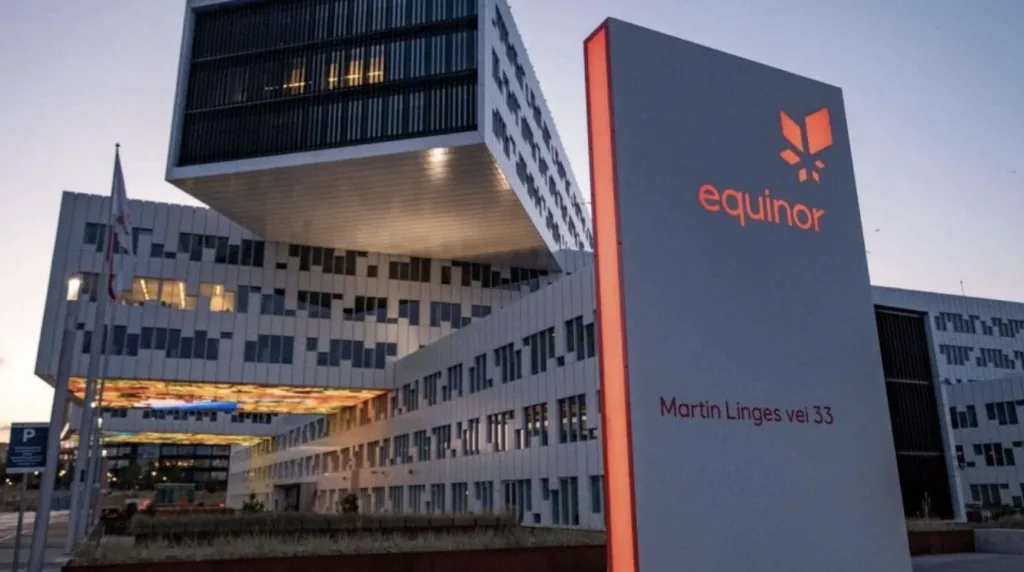
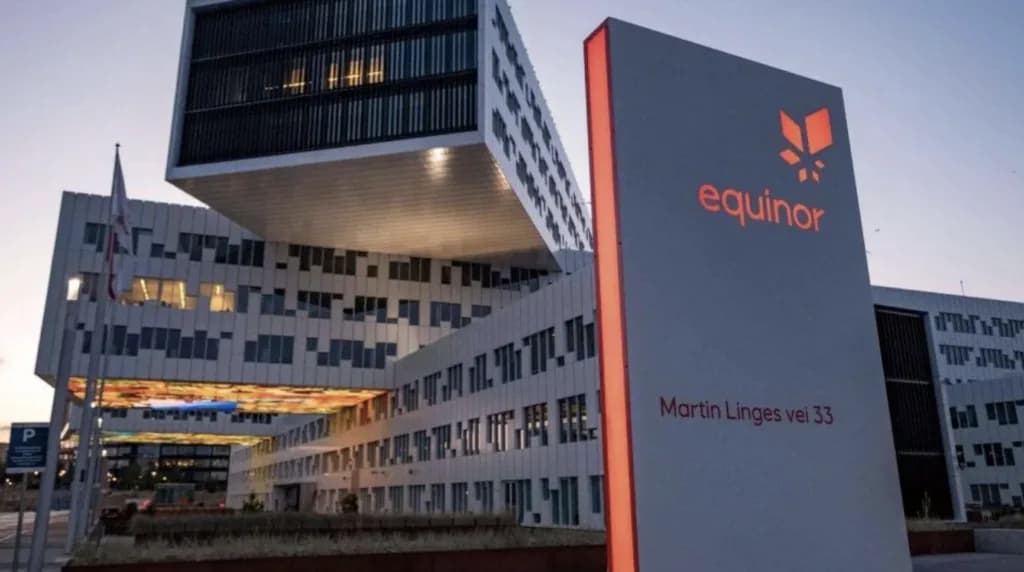
Norwegian energy major Equinor has agreed to acquire a 17.4% interest in the PEL 90 oil exploration licence offshore Namibia, marking its first upstream entry into the country and its first move into a new oil-producing country since Argentina in 2017. The deal, announced on 18 August, was reached with a subsidiary of US oil major Chevron. Its value was not disclosed and remains subject to regulatory approvals.
PEL 90 is operated by Chevron through its subsidiary Harmattan Energy. Before the transaction, Harmattan Energy held a 52.5% interest, with QatarEnergy holding 27.5%, Trago Energy 10% and Namibia’s state-owned NAMCOR holding 10%.
An exploration well is planned on PEL 90 before the end of 2026. The drilling programme will provide a test of the licence’s potential in the Orange Basin and could provide further information on the area’s prospects.
Equinor Adds to Namibia’s Growing Oil Interest
Equinor’s entry comes four months after BP agreed to acquire interests in three offshore exploration licences in Namibia’s Walvis Basin. In April, BP reached an agreement to acquire 60% stakes in PEL 97, PEL 99 and PEL 100. The transactions cover different parts of Namibia’s offshore acreage and involve different operators, but both deals point to continued interest from major oil companies in the country’s exploration potential.
International interest in Namibia increased after oil discoveries in the Orange Basin beginning in 2022. Since then, several major energy companies have expanded their positions or participated in exploration campaigns offshore. TotalEnergies is advancing work on the Venus discovery and strengthened its position in PEL 83 in late 2025. Chevron also holds interests in several Namibian licences, while Galp, QatarEnergy, Eni and other companies have participated in offshore exploration activity.
Namibia’s Oil Potential Still Depends on Exploration
For Namibia, the continued entry of international oil companies adds momentum to the development of its emerging upstream sector. The country is looking to offshore discoveries to create a new source of investment and government revenue while reducing its dependence on established sectors such as mining, fishing and services.
The immediate focus for PEL 90 will be the planned exploration well. Until drilling confirms the resource potential and commercial viability of the licence, the investment remains an exploration position.
The result of the 2026 well could therefore provide an important indication of how much further Equinor and its partners may invest in the licence and how the Orange Basin continues to develop as an emerging oil province.