Eni Explores Third FLNG Project in Mozambique’s Rovuma Basin
Eni is exploring the possibility of adding a third floating liquefied natural gas (FLNG) platform in Mozambique’s offshore Rovuma basin as the country pushes to expand its position in the global LNG market. The Italian energy company confirmed on Monday that the option is being studied, although it did not provide details on potential timelines,
Eni Explores Third FLNG Project in Mozambique’s Rovuma Basin
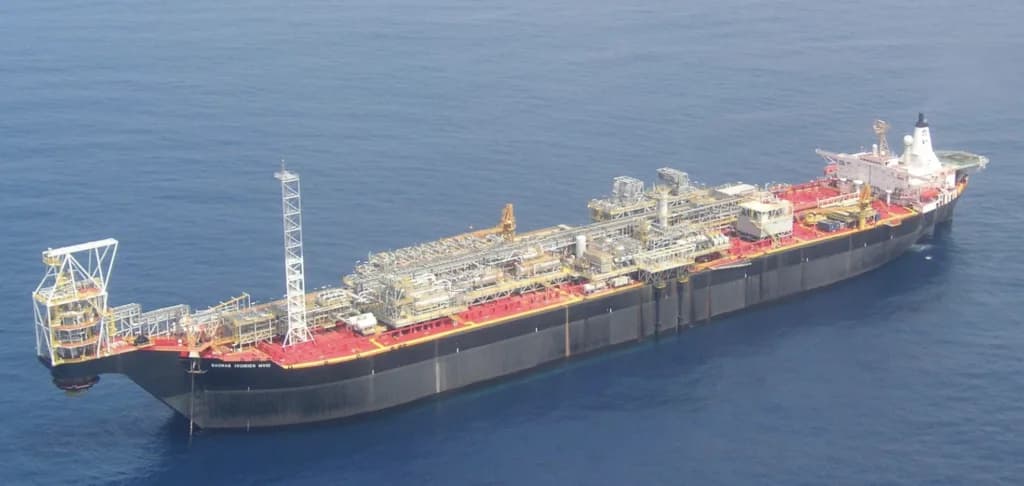
Eni is exploring the possibility of adding a third floating liquefied natural gas (FLNG) platform in Mozambique’s offshore Rovuma basin as the country pushes to expand its position in the global LNG market. The Italian energy company confirmed on Monday that the option is being studied, although it did not provide details on potential timelines, costs, or when a final investment decision could be made. According to Eni, the Rovuma basin still holds large untapped gas reserves capable of supporting both existing operations and future LNG developments.
If approved, the new platform would build on Eni’s two existing FLNG projects in Mozambique, Coral South and Coral Norte. Coral South has been operating since late 2022, while Coral Norte reached a final investment decision in October 2025 and is expected to begin production in 2028.
Mozambique Expands LNG Capacity
Coral South marked the beginning of Mozambique’s offshore LNG industry. Located in deep waters within the Rovuma basin, the project reached a production capacity of 3.4 million tons per year, according to Energy Capital Power. In April 2025, the platform completed its 100th export cargo.
Eni later approved a US$7.2 billion investment for Coral Norte, which is being developed alongside several partners including China National Petroleum Company, Korea Gas Corporation, Mozambique’s state-owned ENH, and XRG, a subsidiary of ADNOC.
The company said Coral Norte uses the same technical model as Coral South while incorporating lessons learned from the first platform. Once operational, Coral Norte is expected to produce 3.6 million tons of LNG annually.
Combined, the two projects are expected to push Mozambique’s LNG output above 7 million tons per year, placing the country behind only Algeria and Nigeria among Africa’s largest LNG producers.
Gas Projects Carry Major Economic Weight
The expansion of LNG production is expected to carry significant financial implications for Mozambique. According to the country’s National Petroleum Institute (INP), Coral Norte alone could generate around US$23 billion in revenues, taxes, and related contributions over 25 years.
The government has also started building additional infrastructure around the sector. In April, authorities approved the creation of a state-owned gas logistics company to coordinate transport and distribution linked to Rovuma basin projects. At the same time, oversight around LNG developments has increased. Mozambique’s Ministry of Mineral Resources and Energy established an inter-ministerial committee earlier this year to supervise amendments to project development plans.
Competition Builds in Rovuma Basin
Eni’s expansion plans come as other major energy companies continue advancing their own projects in the basin. TotalEnergies officially restarted its Mozambique LNG project in January after years of delays, with production expected to begin in 2029.
ExxonMobil has also resumed activity on its Rovuma LNG project after lifting force majeure in late 2025. The company is targeting a final investment decision in 2026, with exports expected in the early 2030s. Industry analysts believe the combined projects could significantly change Mozambique’s position in the global gas market over the next two decades.
Read more about Mozambique Energy HERE