ExxonMobil Streamlines Safety and Efficiency with Drone Technology in Angola
Energy giant ExxonMobil has deployed drone-based technology to transform inspection practices across its offshore oil and gas operations in Angola. Investing approximately $1 billion annually in innovative technologies, the company is enhancing safety, cutting inspection time, and improving data quality. ExxonMobil manages three deepwater blocks in Angola, covering nearly two million acres, including legacy assets
ExxonMobil Streamlines Safety and Efficiency with Drone Technology in Angola
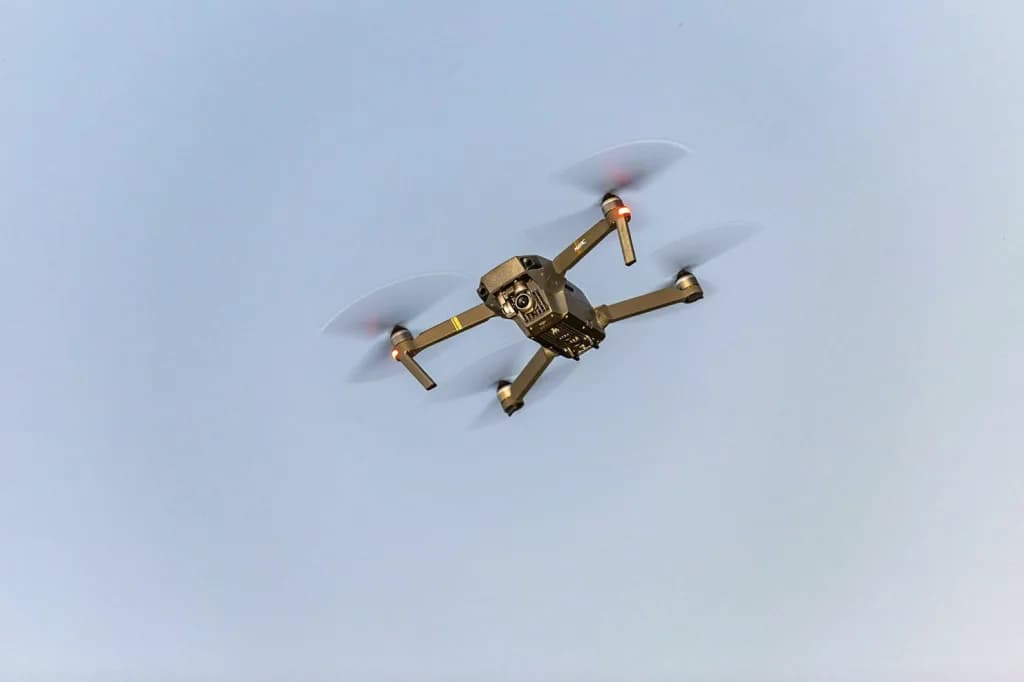
Energy giant ExxonMobil has deployed drone-based technology to transform inspection practices across its offshore oil and gas operations in Angola. Investing approximately $1 billion annually in innovative technologies, the company is enhancing safety, cutting inspection time, and improving data quality. ExxonMobil manages three deepwater blocks in Angola, covering nearly two million acres, including legacy assets such as Block 17.
Transforming Inspection Practices
At the Angola Oil & Gas Conference & Exhibition 2025, Vera Veloso, Integrity Engineering Supervisor at ExxonMobil, showcased how drone technology improves inspections and operational efficiency. Drones replace traditional rope-access teams, enabling ExxonMobil to inspect hazardous areas without putting personnel at risk. Veloso explained, “These drones can reach hazardous areas without human intervention. This improves inspection efficiency and safety. They can also operate while production continues, so we don’t have to shut down operations.” Conducting inspections during ongoing operations allows ExxonMobil to minimize shutdowns and maintain production.
Drone-based inspections have improved data accuracy and cut inspection duration by 60%, allowing ExxonMobil to make better-informed decisions while minimizing operational disruptions. The enhanced efficiency and precision directly help the company optimize operations and reduce costs.
3D Sonar Imaging Enhancing Data Accuracy
ExxonMobil also uses 3D sonar imaging, or echoscope technology, to further boost data accuracy. This system sends sound pulses to map the seabed, detect anomalies, and measure dimensions. Veloso noted, “The main benefit of this technology is data accuracy. We can access more dimensions of the trench, and the surveys run more efficiently since visibility does not limit us.” The technology enables real-time monitoring and works effectively in zero-visibility conditions, making it indispensable for offshore operations.
AI-Driven Technologies
ExxonMobil plans to expand its technological capabilities in Angola by deploying AI-driven robotics and drones for autonomous data collection, AI-powered digital twins, autonomous risk mitigation via AI decisioning, and 5G or Starlink connectivity for remote operations. By embracing these innovations, ExxonMobil aims to further improve operational efficiency and safety in Angola.Read more here