End of Petrodollar Agreement Signals Shift in Global Finance
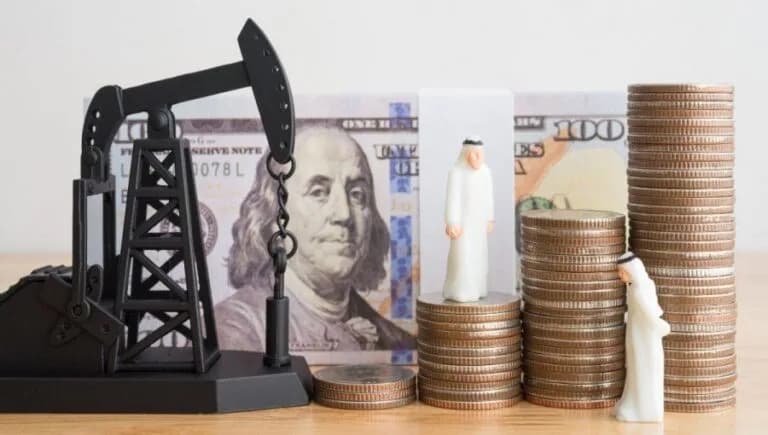
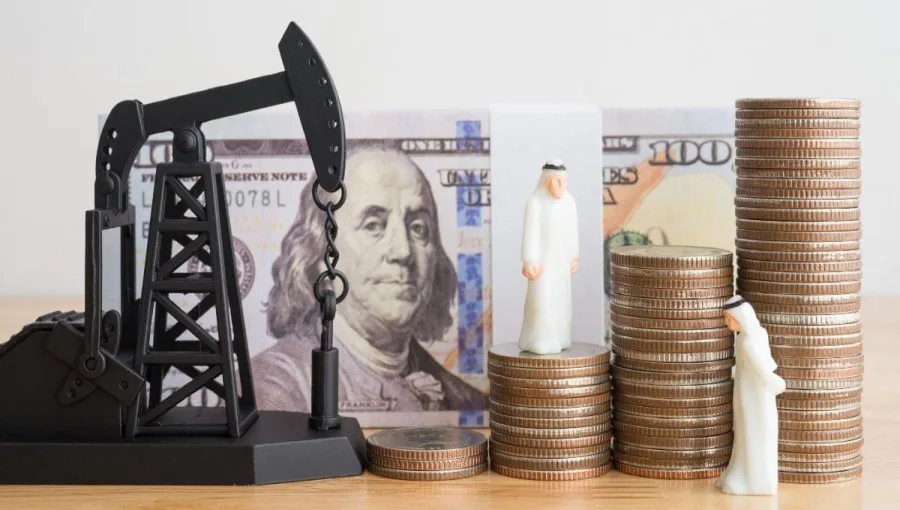
A long-standing petrodollar agreement between the United States and Saudi Arabia has expired, with the Gulf nation deciding not to renew the deal as of June 9, 2024. This move marks a significant shift in global finance, potentially impacting the status of the US dollar as a reserve currency and carrying considerable implications for America.
End-of-Petrodollar-Agreement-Signals-Shift-in-Global-Finance
A long-standing petrodollar agreement between the United States and Saudi Arabia has expired, with the Gulf nation deciding not to renew the deal as of June 9, 2024. This move marks a significant shift in global finance, potentially impacting the status of the US dollar as a reserve currency and carrying considerable implications for America.
The expiration of this agreement, which has lasted for 50 years, signals the end of an era that significantly contributed to US economic dominance globally. There has been no official confirmation regarding the renewal of the deal, highlighting the uncertainty of future US-Saudi financial relations.
Originally signed in 1974, the petrodollar agreement had profound geopolitical and economic consequences. It was instrumental in shaping the global energy market and influencing international relations. Under this system, Saudi Arabia and other oil-producing countries priced and traded oil exclusively in US dollars.
And this pic.twitter.com/ShuCTdDEb5
— Bibby???? (@Blame_me66) June 12, 2024
The agreement emerged from a bilateral arrangement between the US and Saudi Arabia. By standardizing oil prices in dollars, every country purchasing oil from Saudi Arabia was required to pay in USD. This practice was soon adopted by other oil-producing nations, reinforcing the dominance of the petrodollar system.
In exchange for pricing oil in dollars, the United States provided military support and security guarantees to Saudi Arabia, ensuring its stability against external threats. Additionally, Saudi Arabia invested its oil revenues in US assets, particularly Treasury securities, helping to finance US deficits and stabilize the dollar.
The six-page agreement was signed at Blair House, near the White House, by then-US Secretary of State Henry Kissinger and Prince Fand Ibn Abdel Aziz, who later became King of Saudi Arabia. At the time, Kissinger described the deal as a milestone in US relations with Saudi Arabia and the Arab world.
The decision not to renew the agreement allows Saudi Arabia to conduct oil and other transactions in multiple currencies, including the Chinese RMB, Euros, Yen, and Yuan. This diversification signals a broader shift away from the US dollar, potentially reshaping global financial dynamics.
Main Image: Voice7 News