Elections: iKhokha Shares SME’s Ask for Strategic Growth Plan from Political Parties
As South Africa braces for another pivotal election, the nation's small business community stands at the forefront of anticipation, yearning for a definitive roadmap towards economic resurgence. A recent survey conducted by fintech leader iKhokha revealed a staggering 77% of SMEs voicing their disillusionment with local government's efficacy in fostering business growth and development. Against
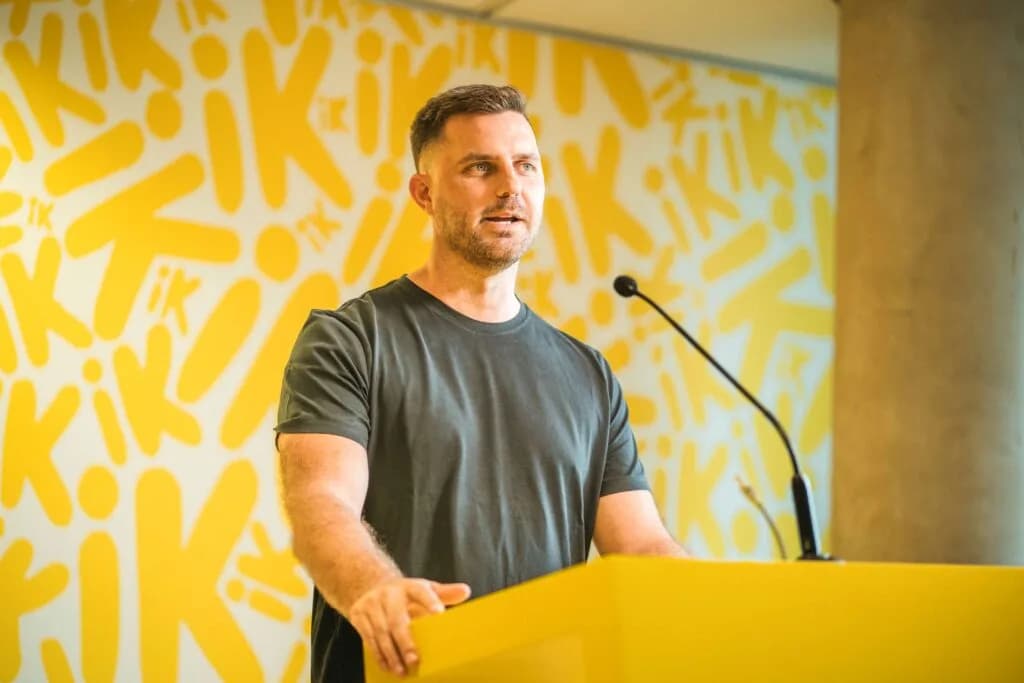
Matt-Putman-iKhokha-2
As South Africa braces for another pivotal election, the nation’s small business community stands at the forefront of anticipation, yearning for a definitive roadmap towards economic resurgence. A recent survey conducted by fintech leader iKhokha revealed a staggering 77% of SMEs voicing their disillusionment with local government’s efficacy in fostering business growth and development. Against the backdrop of soaring unemployment rates and economic volatility, small enterprises echo a resounding call for policies geared towards catalyzing investment and ensuring sustainable progress.
With the election looming, the imperative for a robust economic strategy has never been more pronounced. Chief among the pressing concerns is the dire need to alleviate the burdens of load shedding that have plagued businesses, sapping up to 20% of their annual turnover, according to iKhokha’s findings. Persistent power outages disrupt production, curtail sales, and inflate operational costs, precipitating a ripple effect of diminished profitability and waning consumer confidence.
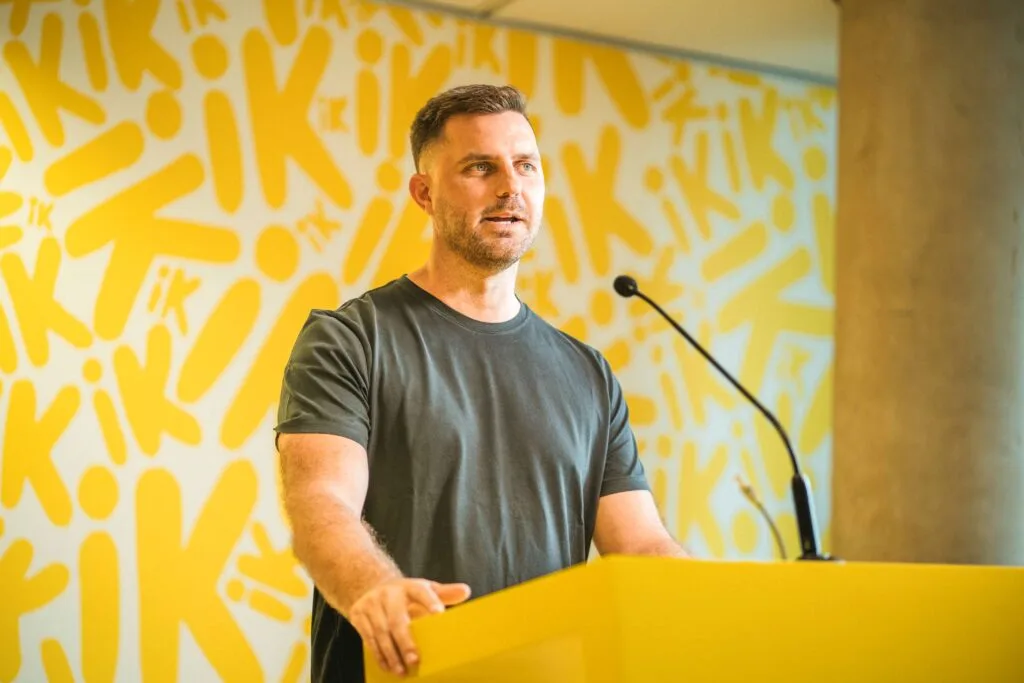
Matt Putman, CEO of iKhokha, drawing on years of collaboration with SMEs, underscores the urgency of addressing the current energy crisis and proposes tangible measures to alleviate the strain on small businesses. “To mitigate the adverse impacts of load shedding and subdued consumer spending, SMEs with an annual turnover below R5 million should receive targeted financial assistance in the form of tax rebates,” suggests Putman. These rebates, amounting to 20% of turnover, could serve as a lifeline for businesses grappling with the fallout of power disruptions.
In addition to ameliorating energy woes, SMEs demand a comprehensive plan from political parties to achieve a load shedding-free nation by mid-2025. This entails recruiting international technical experts, accelerating private sector contributions to the national grid, bolstering transmission infrastructure, and securing substantial international funding to fortify Eskom’s capacity.
Infrastructure rejuvenation emerges as another cornerstone for SME success, encompassing the restoration of beaches, business hubs, and public spaces, alongside urgent repairs to sewerage and water treatment facilities. A zero-tolerance stance on littering and vandalism is advocated to foster a conducive environment for business growth.
Moreover, SMEs advocate for an aggressive push to expand tourism, positioning South Africa as a premier destination for global travelers. Key initiatives include lobbying international airlines to expand direct flight routes, investing in marketing campaigns to showcase the nation’s diverse attractions, and introducing digital nomad visas to tap into the burgeoning trend of remote work.
Access to funding remains a pivotal concern, with nearly 60% of SMEs expressing a willingness to expand their workforce if afforded access to government-backed financing. Collaboration between government and fintech firms holds promise in disbursing low-interest loans to SMEs, thereby catalyzing job creation and bolstering GDP growth.
Finally, attention must be directed towards enhancing transportation networks, particularly rail and port infrastructure, to streamline logistics and reduce transit costs. Improved connectivity not only benefits SMEs but also stimulates broader economic development, enhancing export capabilities and fostering investor confidence.
As South Africa navigates the precipice of a new electoral era, prioritizing the needs of small businesses is imperative for fostering inclusive growth and steering the nation towards a prosperous future. With concerted action and visionary leadership, the aspirations of SMEs can serve as the cornerstone of economic renewal, driving sustainable progress and shared prosperity for all.