Egypt Secures $8 Billion IMF Bailout Deal to Address Economic Challenges
In a significant development, Egypt announced on Wednesday that it has successfully negotiated a deal with the International Monetary Fund (IMF) to increase a bailout loan to $8 billion. Prime Minister Moustafa Madbouly shared this news during a televised statement, highlighting the culmination of months-long discussions between Egypt and the IMF to augment the existing
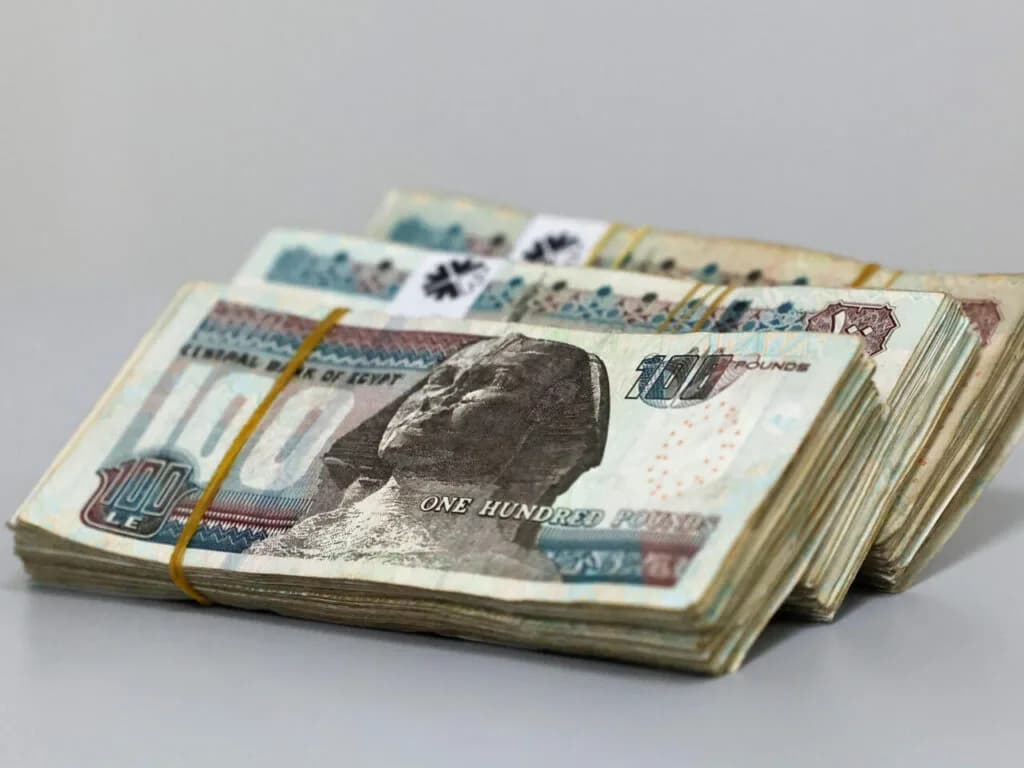
Egypt-Secures-8-Billion-IMF-Bailout-Deal-to-Address-Economic-Challenges
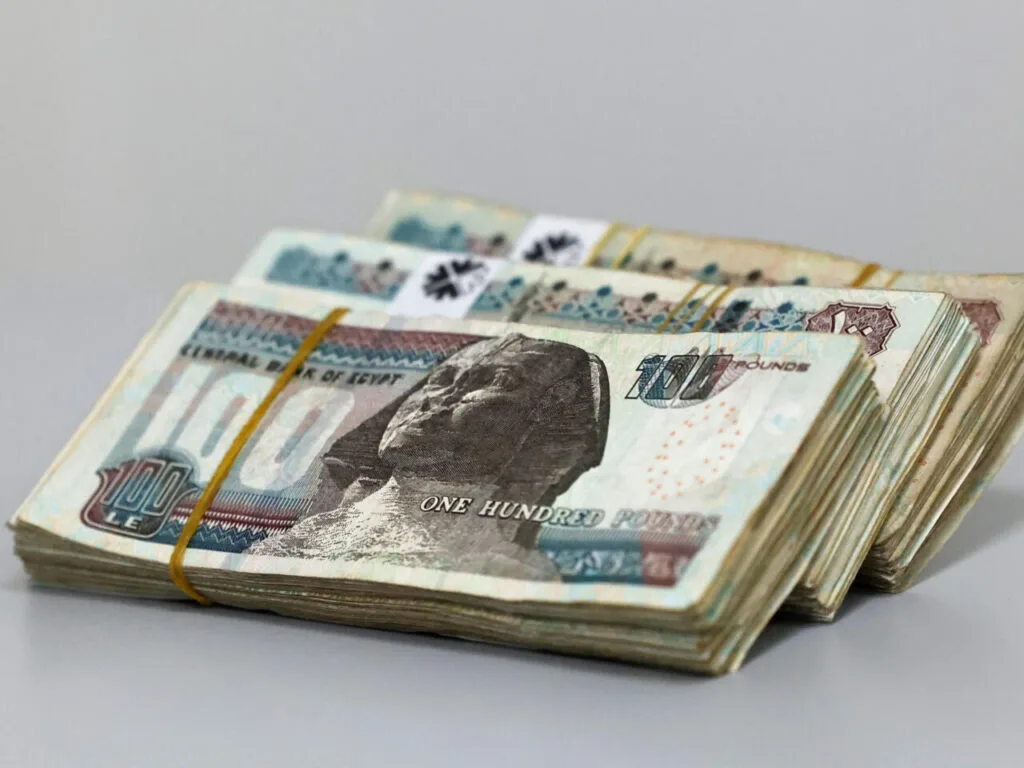
In a significant development, Egypt announced on Wednesday that it has successfully negotiated a deal with the International Monetary Fund (IMF) to increase a bailout loan to $8 billion. Prime Minister Moustafa Madbouly shared this news during a televised statement, highlighting the culmination of months-long discussions between Egypt and the IMF to augment the existing $3 billion bailout loan established in 2022.
Madbouly emphasized that the freshly inked agreement will not only bolster the country’s financial standing but also pave the way for securing loans from other prominent financial institutions, such as the World Bank.
This announcement closely followed pivotal economic moves by Egypt’s Central Bank, which opted to raise its main interest rate and float the national currency. These measures align with key demands from the IMF, aiming to counter inflationary pressures and attract foreign investments to alleviate the pressing shortage of foreign currency in the country.
In response to the currency adjustments, the Egyptian pound experienced a significant devaluation, losing over 60% of its value against the U.S. dollar within hours. Commercial banks quickly adjusted their exchange rates, with the U.S. currency trading at more than 50 pounds for $1, a stark increase from the previous rate of about 31 pounds per dollar.
The Central Bank’s decision included a substantial increase of 600 basis points in the key interest rate, bringing it to 27.75%. Simultaneously, the overnight deposit and lending rates witnessed similar increments, reaching 27.25% and 28.25%, respectively, as stated by the central bank.
Egypt’s economic challenges have been multifaceted, including the impact of years of government austerity, the repercussions of the COVID-19 pandemic, the global economic effects of the war in Ukraine, and, most recently, the consequences of the Israel-Hamas conflict in Gaza. The war in Ukraine, particularly disruptive to the global economy, has specifically strained Egypt’s finances, given its status as the world’s largest wheat importer and its reliance on foreign sources for a majority of its food supply to sustain its population exceeding 104 million people.