EDF Renewables Spearheads Major Low-Carbon Power Projects in South Africa
EDF Renewables in South Africa is spearheading the construction of nearly 1.2 GW of low-carbon power generation capacity, comprising 763 MW of wind power, 355 MW of solar PV, and 75 MW of battery storage. This ambitious initiative, encompassing eight sites across the Northern and Eastern Cape Provinces, represents a significant step towards addressing South
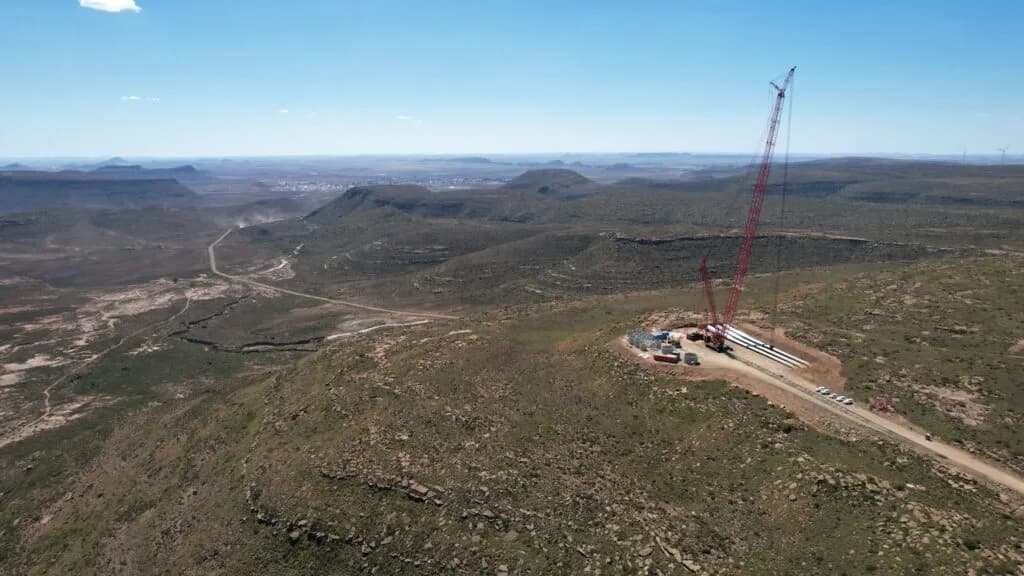
EDF Renewables Spearheads Major Low-Carbon Power Projects in South Africa
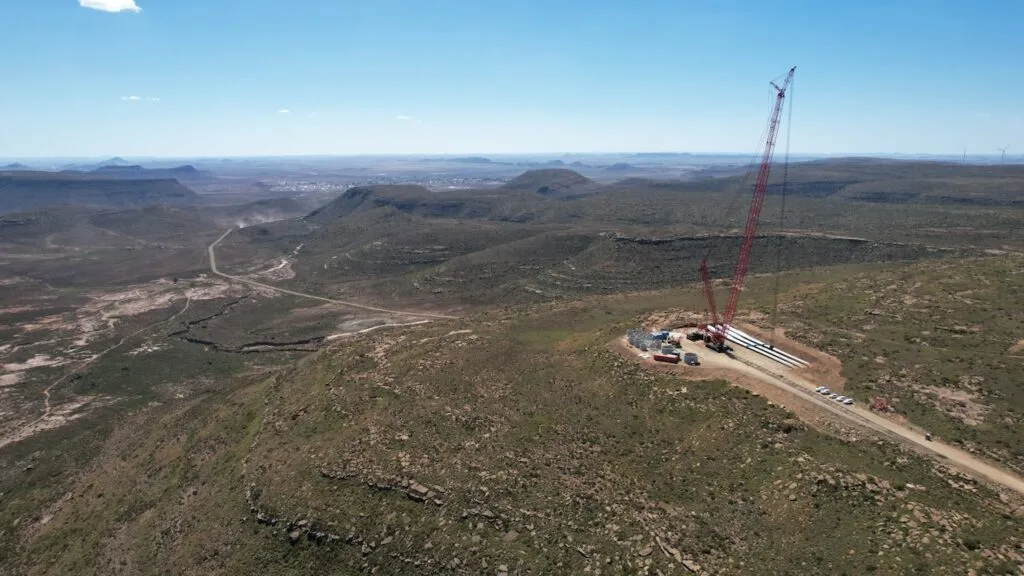
EDF Renewables in South Africa is spearheading the construction of nearly 1.2 GW of low-carbon power generation capacity, comprising 763 MW of wind power, 355 MW of solar PV, and 75 MW of battery storage. This ambitious initiative, encompassing eight sites across the Northern and Eastern Cape Provinces, represents a significant step towards addressing South Africa’s power shortage.
The new build program, developed in collaboration with EDF Renewables’ partners, has reached Financial Close between November 2022 and February 2024. These projects are poised to swiftly alleviate the country’s energy deficit and make substantial contributions to its power grid.
Among the key projects are the Koruson 1 and Koruson 2 clusters. Koruson 1, developed in partnership with H1 Holdings, GIBB-Crede, and a local community trust, comprises three wind farms with a total installed capacity of 420 MW. Meanwhile, Koruson 2, undertaken with Anglo American through their joint venture, Envusa Energy, includes wind and solar farms with a combined capacity of 520 MW.
Another notable project is the Umoyilanga hybrid power plant, developed in collaboration with Perpetua Holdings (Pty) Ltd. This innovative virtual power plant will deliver 75 MW of dispatchable power, integrating solar PV, wind power, and battery storage across two sites.
The total investment across these projects amounts to 34 billion ZAR (approximately 1.65 billion EUR). Construction is progressing rapidly towards commissioning, with Commercial Operations Dates slated between the end of 2024 and 2026.
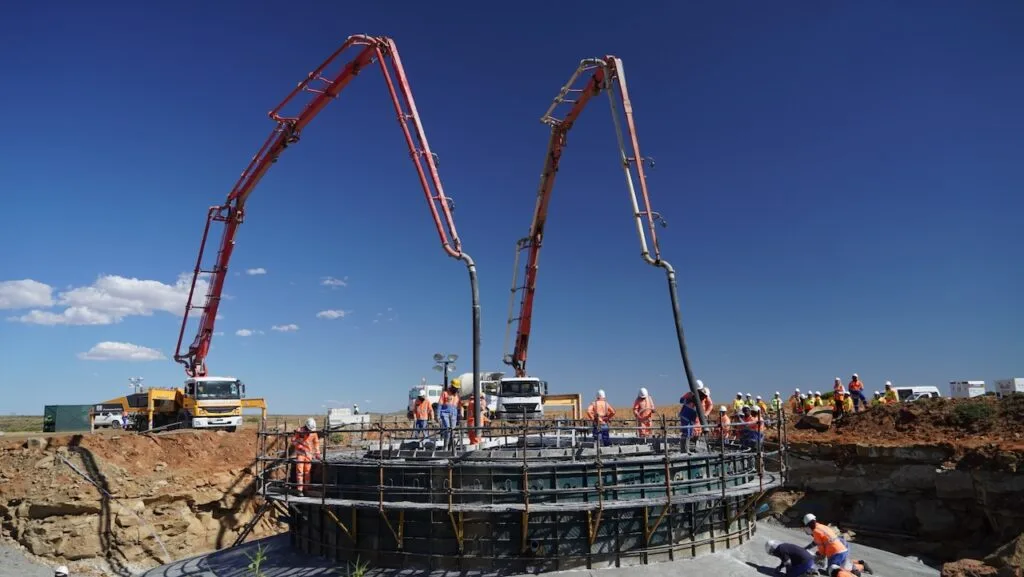
These power plants are projected to provide close to 4 TWh of low-carbon electricity to the national grid annually, significantly reducing the energy deficit in South Africa. While utility-scale generation projects commissioned in the country have been limited since 2020, the deployment of renewable power is now accelerating rapidly, as evidenced by EDF Renewables’ initiatives.
Beyond addressing energy needs, the projects are driving economic growth and job creation. Approximately 40% of the projects’ value will comprise South African goods and services, fostering entrepreneurship and local economic development. Additionally, a portion of the revenue generated will be allocated to socio-economic initiatives benefiting nearby communities.
Tristan de Drouas, CEO of EDF Renewables in South Africa, expressed optimism about the projects’ impact, stating, “Our projects under construction will contribute towards meeting the energy needs of South Africans… They are a tangible illustration of the capabilities of the EDF Group to deliver low-carbon energy solutions in South Africa.”
EDF Renewables’ endeavors underscore the pivotal role of renewable energy in addressing energy challenges while fostering sustainable development in South Africa.