Dangote Targets October Groundbreaking for $16 Billion Kenya Refinery
East Africa could move a step closer to producing more of its own refined fuels after Aliko Dangote confirmed plans to begin construction of a US$16 billion oil refinery in Lamu, Kenya, in October 2026. The proposed refinery is designed to process 700,000 barrels of crude oil per day, supplying Kenya and neighbouring markets including
Dangote Targets October Groundbreaking for $16 Billion Kenya Refinery
East Africa could move a step closer to producing more of its own refined fuels after Aliko Dangote confirmed plans to begin construction of a US$16 billion oil refinery in Lamu, Kenya, in October 2026. The proposed refinery is designed to process 700,000 barrels of crude oil per day, supplying Kenya and neighbouring markets including Uganda, Tanzania and South Sudan, which continue to rely heavily on imported refined petroleum products.
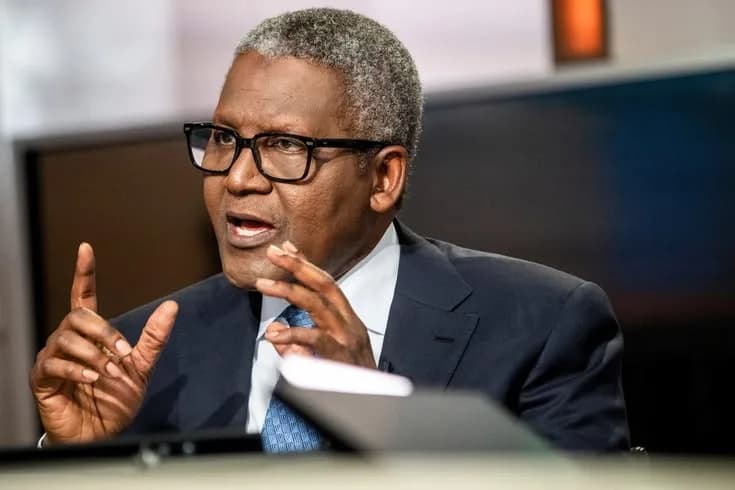
“By October this year, we will be groundbreaking. Once we break the ground, we will begin the construction,” Dangote said during an interview with the BBC. Construction is expected to take less than four years.
The project will also cost less than originally expected. Dangote said the estimated investment has been reduced from about US$17 billion to US$16 billion, citing experience gained during the construction of the Lagos refinery, a faster execution schedule and lower financing costs.
Strengthening Regional Fuel Security
The Lamu refinery is expected to become East Africa’s largest refining facility and the second-largest in Africa, behind Dangote’s refinery in Lagos, which is expected to expand its capacity from 650,000 barrels per day to 1.4 million barrels per day over the next three years. Its location is central to the project’s strategy. Lamu sits along the Lamu Port-South Sudan-Ethiopia Transport (LAPSSET) Corridor, giving the refinery direct access to regional markets and supporting Kenya’s ambition to become a logistics and energy hub for East Africa.
The investment also comes as Kenya looks to strengthen its downstream petroleum industry following the closure of the Mombasa refinery while continuing efforts to commercialise oil resources in the Turkana Basin. For neighbouring countries, additional regional refining capacity could shorten supply chains, improve fuel availability and reduce dependence on imports from outside Africa.
Opportunities Beyond the Energy Sector
The refinery is also expected to create opportunities for businesses beyond the oil industry. The Kenyan government estimates the project could generate around 60,000 direct and indirect jobs during construction and operation. Engineering contractors, construction firms, transport and logistics companies, equipment suppliers, accommodation providers and other local Startups are expected to benefit as work progresses. Small and medium-sized enterprises that meet procurement requirements could also participate in supplying goods and services throughout the multi-year construction programme. The project therefore has the potential to stimulate economic activity in Lamu and surrounding counties while supporting the development of local industrial capacity.
Financing Remains a Key Milestone
Preparatory work for the refinery is already underway ahead of the planned October groundbreaking. The refinery is expected to be financed through 30% equity and 70% debt, making financial close one of the project’s most important next steps. Engineering studies, site investigations and other preparatory work are already underway, while the Kenyan government has established a dedicated committee to support implementation and allocated seed funding through its infrastructure programme.
Environmental and community engagement will also remain important. Previous developments linked to the LAPSSET corridor faced legal challenges over consultations with affected communities, highlighting the need for continued stakeholder engagement as the refinery advances. If construction begins on schedule, the Lamu refinery would represent one of East Africa’s largest industrial investments in decades. Beyond increasing regional refining capacity, the project could strengthen local supply chains, support business growth and position Kenya as a more significant player in Africa’s energy industry.