Have African Mining Tech Startups Tapped into the Digital Twin Opportunity?
Digital twins have become another widely discussed technology in the mining industry. They create a digital representation of equipment, processing plants or even an entire mine using real-time operational data. That allows operators to monitor performance, predict equipment failures, test production scenarios and identify problems before they interrupt production. The technology is already demonstrating its
Have African Mining Tech Startups Tapped into the Digital Twin Opportunity?
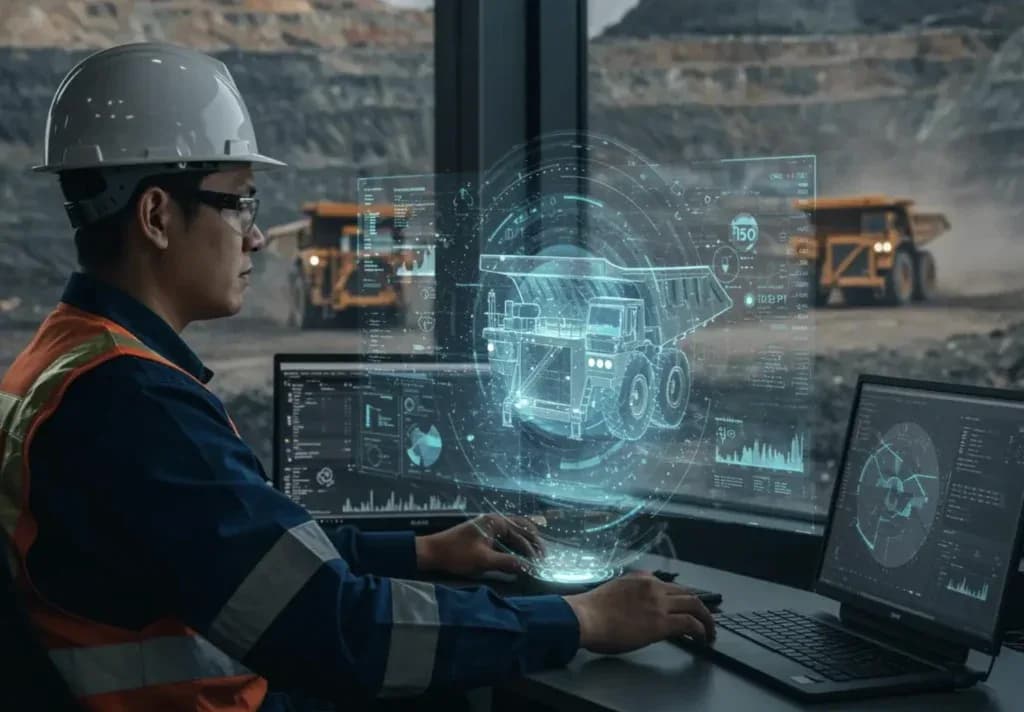
Digital twins have become another widely discussed technology in the mining industry. They create a digital representation of equipment, processing plants or even an entire mine using real-time operational data. That allows operators to monitor performance, predict equipment failures, test production scenarios and identify problems before they interrupt production.
The technology is already demonstrating its value in mining, from improving equipment maintenance to helping operators make better production decisions. But building a digital twin is about more than installing sensors or collecting data. It depends on information from fleet management systems, processing plants, maintenance platforms and geological models working together in a single digital environment. That level of integration remains one of the biggest barriers to wider adoption.
African mining technology startups have made progress in areas such as fleet management, mineral processing optimisation, mine safety, automation and artificial intelligence. Digital twins, however, have yet to become a major focus across the sector. That does not mean the opportunity is absent. It suggests there is still room for startups to develop practical digital twin applications that address the day-to-day needs of mining companies.
That raises an important question. Have African mining tech startups tapped into the digital twin opportunity?
Adoption Has Been Slow
Most digital twin platforms were developed for large mining companies with significant technology budgets. They usually require extensive integration, reliable connectivity and dedicated technical teams to keep them running.
A Medium-sized gold producer or a junior copper miner is unlikely to invest in a mine-wide digital twin from the outset. The more practical starting point is solving one operational challenge at a time.
Where Startups Can Compete
For most startups, building a digital twin for an entire mining operation is neither practical nor necessary which is true. The bigger opportunity is to focus on one part of the operation where the technology can deliver measurable value. One application could monitor a milling circuit and predict bearing failures before they interrupt production. Another could improve underground equipment movement to reduce collision risks, while similar systems could help processing plants improve recoveries, reduce energy consumption or optimise water use without replacing existing infrastructure.
If those solutions reduce downtime or improve production, they give mining companies a reason to invest further instead of committing to a large digital transformation project from the beginning.
Integrating data from different mining systems is rarely straightforward. Fleet management platforms, processing plants, maintenance systems and geological models are often introduced at different stages and were never designed to work together. Bringing that information into a single digital environment is one of the biggest technical challenges in building an effective digital twin.
This is where local startups have an advantage. Rather than replacing existing systems, they can develop solutions that connect with the technology already in use and solve specific operational challenges. Edge computing, offline processing and lower-bandwidth platforms may receive less attention than artificial intelligence, but they are often more practical for remote mining operations.
The opportunity also extends beyond production. Mining companies are under growing pressure to improve environmental reporting and mineral traceability. Startups that can combine operational and ESG data into practical digital tools could help mines meet those requirements while improving day-to-day decision-making.
Making the Twins Work
Digital twins are unlikely to become standard across African mining any time soon. Cost, integration and digital infrastructure remain significant barriers. That also explains why startups do not need to compete by building large enterprise platforms from the outset.
For startups, the opportunity lies in solving specific mining challenges instead of trying to compete with large enterprise software providers. A practical solution that improves one part of a mining operation is far more likely to gain traction than a platform that promises to transform an entire mine.
African startups do not need to build a digital twin for an entire mine to make an impact. If they can develop solutions that improve maintenance, plant performance or underground safety, they will already be addressing the operational challenges mining companies are prepared to invest in. That is where the real opportunity lies.