Creator Pulse – How Content Shaped World Cup 2026
The Best World Cup Stories were Right at our Fingertips I didn’t watch South Africa reach the knockout stage of a World Cup for the first time. My brother did, and I lived it through him. His match-day voice notes, the video of him losing his mind when we beat South Korea, the running commentary

Creator Pulse – How Content Shaped World Cup 2026
The Best World Cup Stories were Right at our Fingertips
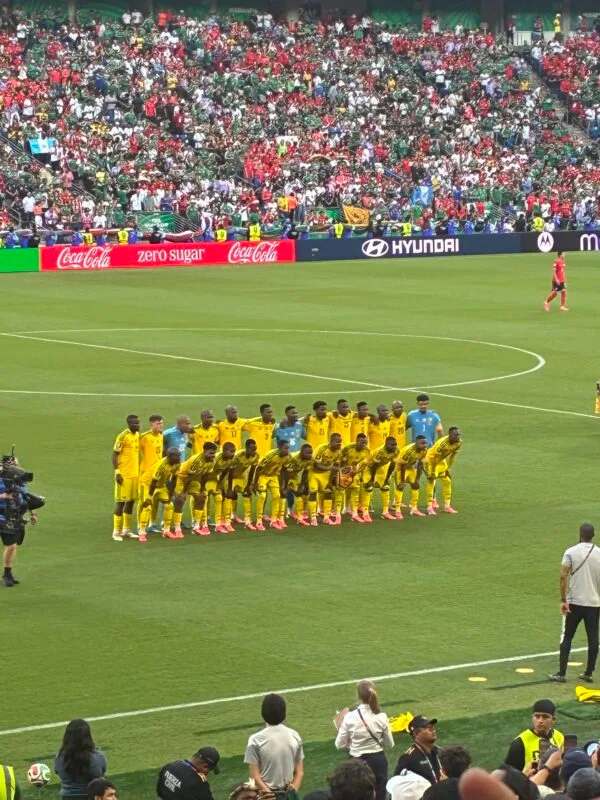
I didn’t watch South Africa reach the knockout stage of a World Cup for the first time. My brother did, and I lived it through him. His match-day voice notes, the video of him losing his mind when we beat South Korea, the running commentary through three group games, and the eventual heartbreak against Canada. I warmed up to the 2026 FIFA World Cup message by message, post by post. Like many people, I experienced this tournament vicariously, but now, it finally feels like mine.
That’s worth reflecting on. We are, by most measures, the most connected generation in history. We’re also, in other ways, one of the most isolated. For six weeks, though, this World Cup complicated that contradiction in ways worth being grateful for. It didn’t happen through FIFA’s broadcast deals or official photographers. The creator economy provided the infrastructure for that to happen: TikTok videos, fan cams, live watch-alongs and football association accounts showing us the behind-the-scenes moments that etched into the highlight reel of this tournament.
FIFA has effectively admitted as much. It named TikTok its first-ever “Preferred Platform” partner and accredited thirty creators with pitchside and training-ground access once reserved for press badges. When a tournament’s own organisers build their access list around creators, that tells you where the most engaging stories are being told. As this tournament closes, I keep coming back to how many of these stories we’d never have seen without social media.
Book your Flights to Cabo Verde
A nation of just over half a million people qualified for its first World Cup and proved it wasn’t just luck. They held finalists Spain to a goalless draw, then pushed defending champions Argentina into extra time before losing 3-2. But the scoreline was only part of the story. The bigger story belonged to 40-year-old goalkeeper Josimar “Vozinha” Dias. His Instagram following jumped from 50,000 to three million overnight after his display against Spain, turning him into what NPR called the internet’s main character of the week. Vozinha arrived on the world stage through his work on the pitch, but it was TikTok that carried his story into our hearts, introducing the world to an island nation chasing its wildest dream. Traditional broadcast coverage didn’t always give us this human layer.
We also got to see what it’s like to be an athlete at the world’s biggest tournament through the eyes of the players themselves. Erling Haaland is one of the most feared strikers right now. On Snapchat, though, he’s a self-described mess, posting nostril selfies, silk-pyjama photos and one-line verdicts on Messi’s hat-trick (“Messi is a madman”) to millions of followers who’d never see that side of him on a broadcast.
Jeremy Doku left Belgium’s camp mid-tournament to witness the birth of his son. The decision was approved by his federation and publicly defended by teammates and the players’ union. It was also briefly attacked by a French broadcaster, who called new fathers “completely useless” at a birth, a comment she was later forced to apologise for.
The fans also allowed us to share about both of Bafana Bafana’s biggest nights; supporters like Linde Sibz echoed the disbelief and pure joy of watching our nation achieve something it had never done before at the tournament: reaching the round of 32. Filming himself, phone at arm’s length, he backed Bafana to beat South Korea and go through, then backed them again to take on Canada. He wasn’t in the stadium for either match, but the value of his content came from watching one fan feel the same relief, the same disbelief, that everyone else was feeling in real time. Distinct from the kind of company that a highlights reel gives you.
@linde_sibzI told you! All you had to do was believe! Bafana Bafana!!!
♬ original sound – Linde Sibanda
None of these three moments were just about football. They’re a part of why people who usually couldn’t be bothered about soccer got invested in the tournament.
South Africa Content Brings it Home
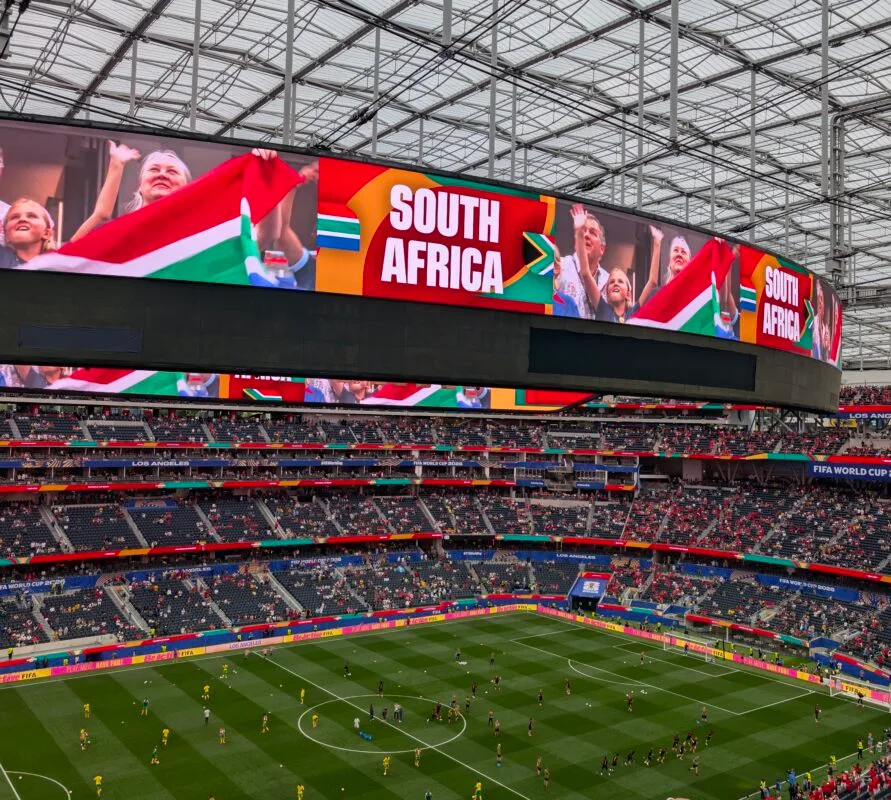
My brother’s following of Bafana Bafana’s run brought me into a tournament I wasn’t really watching at first. The World Cup arrived in my living room through pictures, videos and stunning moments captured in cities like Monterrey. That same access – from fans on social media – helped turn the story of players like Jayden Adams into a moment the whole football world grieved, not just South Africa.
Adams started the draw with Czechia a day after learning his grandmother had passed, a decision the Sports Minister rightly called a mark of character. Two weeks after his final World Cup appearance, he sadly died at 25. FIFA held a moment of silence for him before a quarter-final in Miami, and a country went online to grieve him in public, together, through the same platforms that had seen him earn global recognition a month earlier.
This World Cup opened a window where the platforms that usually fragment us into algorithmic tribes built one crowd instead. Nobody owns that window, and it won’t survive the off-season. But for six weeks, it did exactly what we needed it to and that’s worth being grateful for.
Here’s the catch for anyone building an audience online, brand or otherwise: none of this year’s biggest World Cup moments were the polished ones. They were a goalkeeper’s belief and leadership, a striker’s bad selfies, a father choosing his family despite what the world may think, a fan’s raw reaction filmed from his own living room, and the grief of a young player’s loss made public. The digital community is drawn to genuine stories and to the struggle behind the result. If you’re building something real in this digital economy, that’s the brief: less polish, more of the human layer underneath it. That’s what makes people stop scrolling and start sharing.
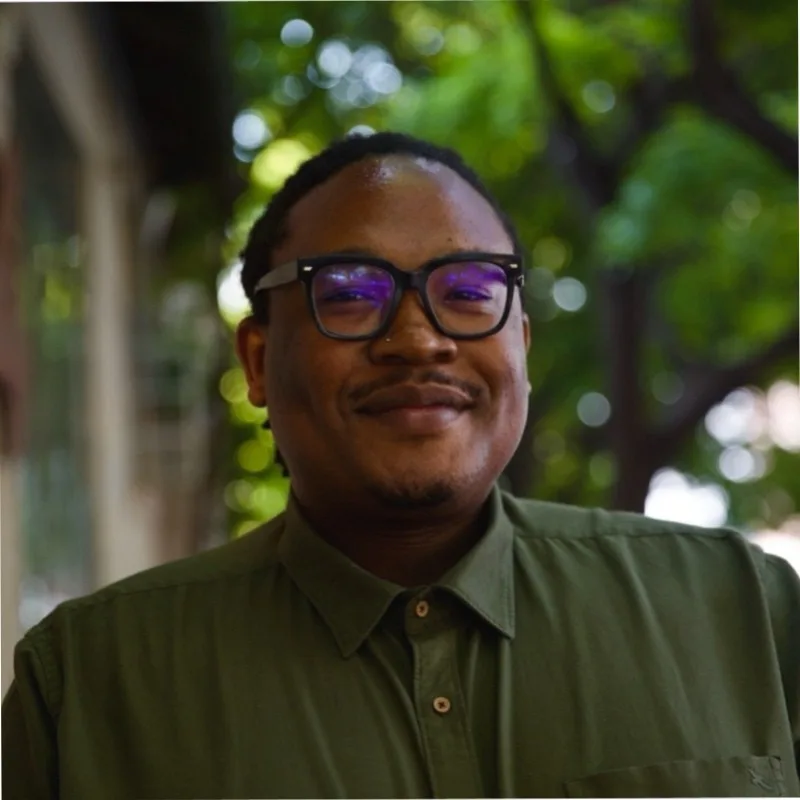
Mohale Moloi is an independent media industry analyst.