Modernizing Customs Procedures for Seamless AfCFTA Implementation
Creating a continental free trade market is one thing, making goods move efficiently across borders is Clearly another. The African Continental Free Trade Area (AfCFTA) aims to expand trade within the continent by lowering tariffs and opening access to a market of more than a billion people. Yet the practical reality of trade is shaped
Modernizing Customs Procedures for Seamless AfCFTA Implementation
Creating a continental free trade market is one thing, making goods move efficiently across borders is Clearly another. The African Continental Free Trade Area (AfCFTA) aims to expand trade within the continent by lowering tariffs and opening access to a market of more than a billion people. Yet the practical reality of trade is shaped less by tariff schedules and more by what happens at border crossings. Customs procedures, documentation checks and inspection processes still determine how quickly cargo travels from one market to another.
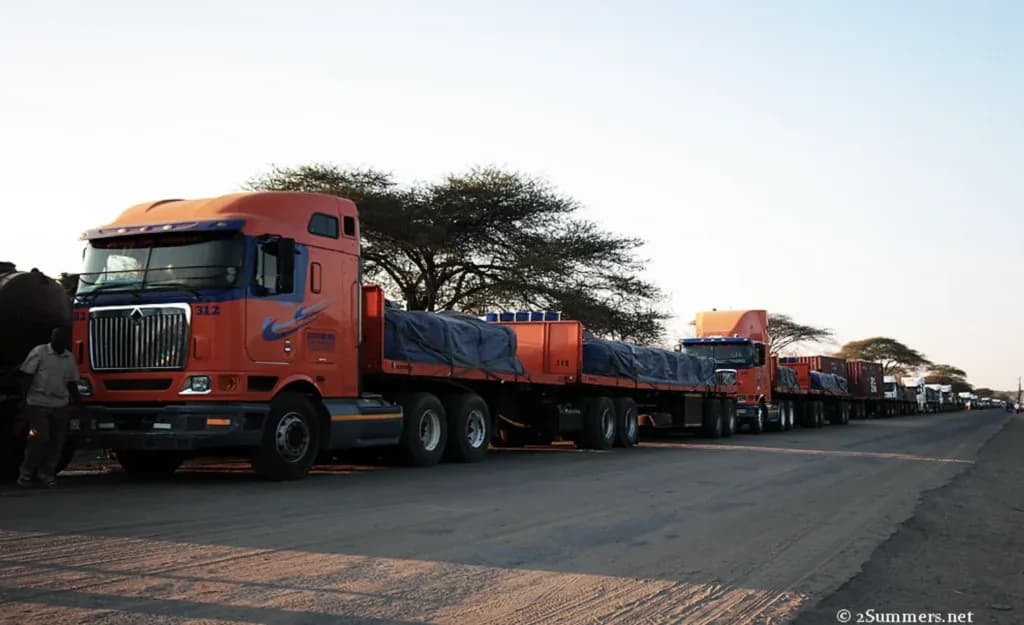
For many exporters and transport companies, border administration remains one of the most unpredictable parts of regional trade. Documentation requirements often differ between neighbouring countries, and cargo can pass through several layers of checks before it is cleared. Trucks carrying manufactured goods or agricultural products frequently spend long periods waiting at border posts while paperwork is verified or transferred between agencies. For businesses working with tight delivery schedules, these delays translate into higher costs and disrupted supply chains.
Digital Customs Systems and Administrative Reform
Improving customs systems has therefore become a key element of AfCFTA implementation. Several African countries have begun shifting away from paper-based clearance processes toward digital customs platforms. These systems allow traders to submit declarations electronically, upload supporting documentation and complete parts of the clearance process before shipments reach border posts. By moving documentation online, customs authorities can review cargo information earlier and reduce processing time once goods arrive at the border.
Another reform gaining traction is the introduction of national single window platforms. Instead of submitting documents separately to multiple agencies—customs authorities, standards bodies, health inspectors and revenue departments—traders use a single digital portal. The system distributes the information to the relevant institutions, allowing approvals and compliance checks to take place within a shared framework. This reduces duplication and limits the need for repeated document submissions.
Customs agencies are also introducing risk-based inspection systems to manage growing trade volumes. Rather than opening every shipment for inspection, authorities use data analysis to identify consignments that require closer scrutiny. Shipments with a record of compliance or clear documentation can pass through more quickly, while enforcement efforts focus on cargo that presents higher risk.
Cross-Border Coordination and Institutional Capacity
Coordination between neighbouring countries remains equally important. Cargo passing through a border crossing must comply with procedures on both sides, and delays often occur when documentation or inspection processes are not aligned. One-stop border posts, where officials from two countries operate within the same facility, have already reduced waiting times along several major trade corridors.
The effectiveness of these reforms ultimately depends on institutional capacity. Customs administrations must be able to operate digital systems, manage data securely and apply consistent procedures at border posts. Training, administrative reform and investment in trade infrastructure will therefore remain essential as AfCFTA moves from agreement to implementation.
If goods can move across borders more quickly and predictably, the AfCFTA will begin to deliver tangible benefits for businesses trading within Africa. Efficient customs procedures are not simply a technical detailthey are the mechanism that will determine whether the continent’s largest trade agreement functions in practice.