Growing Sales Put Chinese Cars Under the Safety Spotlight
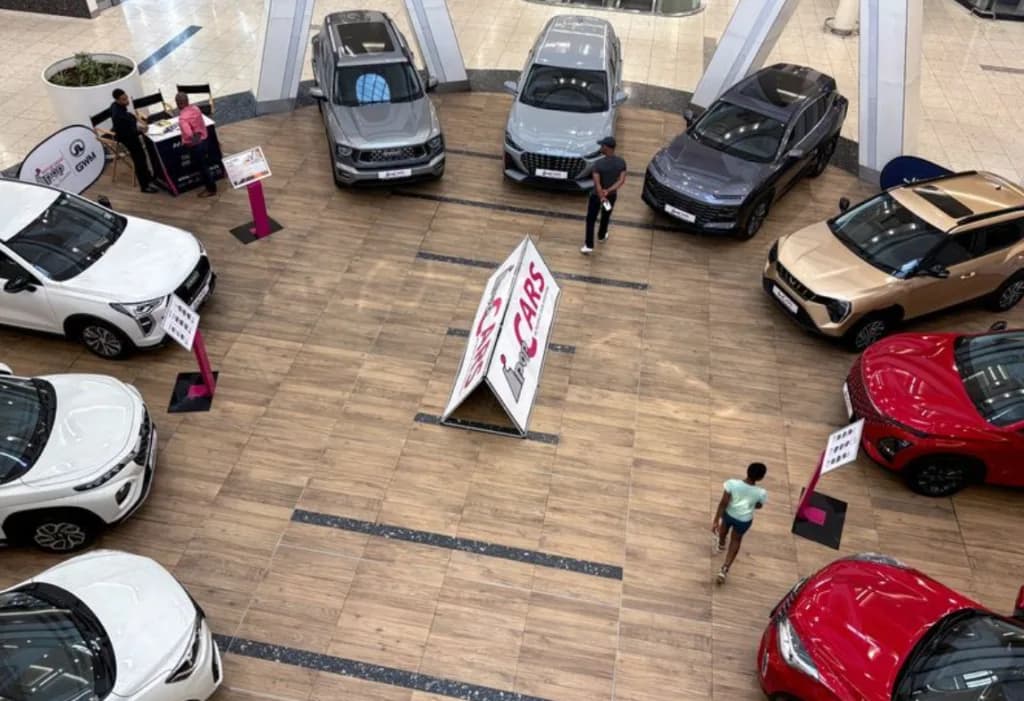
Chinese car brands are no longer competing from the sidelines. A walk through almost any dealership district in South Africa shows just how quickly the market has changed. Chery, Haval, GWM, BYD and Jetour have moved from being unfamiliar names to brands many buyers are actively considering. The appeal is easy to understand. New car

Growing Sales Put Chinese Cars Under the Safety Spotlight
Chinese car brands are no longer competing from the sidelines. A walk through almost any dealership district in South Africa shows just how quickly the market has changed. Chery, Haval, GWM, BYD and Jetour have moved from being unfamiliar names to brands many buyers are actively considering. The appeal is easy to understand. New car prices have climbed steadily over the past few years, putting pressure on household budgets. Chinese manufacturers have stepped into that gap, offering vehicles with large touchscreens, advanced driver assistance features and lengthy warranties at prices that undercut many rivals. The result has been a rapid increase in sales. According to Naamsa, Chinese brands accounted for nearly 17% of South Africa’s passenger vehicle market in 2025, up from just over 11% a year earlier.
Why Safety Remains a Concern
Not everyone is convinced, however. For some motorists, safety remains the biggest unanswered question. The concern is partly historical. Chinese made vehicles earned a poor reputation in many markets during the early years of their expansion. While today’s products are very different, perceptions often take longer to change than the products themselves. That has created an interesting situation in the market. Buyers who have never owned a Chinese vehicle are often sceptical, while many owners argue that the criticism no longer reflects reality.
Looking Beyond the Badge
Some Chinese vehicles have performed exceptionally well in international crash tests. Models from brands such as BYD, Chery and Omoda have earned top safety ratings in certain markets, helping to challenge long held assumptions about Chinese manufacturing. At the same time, not every vehicle has achieved the same result. Earlier this year, the South African spec Chery Tiggo 7 Pro received a two star adult occupant protection rating from Global NCAP, a reminder that buyers should look at individual models rather than make broad assumptions based on a vehicle’s country of origin. That is becoming increasingly important as more Chinese brands enter the market. A vehicle carrying a Chinese badge today could be competing directly against a Toyota, Volkswagen, Hyundai or Kia. Buyers are no longer simply asking whether they would drive a Chinese car. Instead, they are comparing specifications, ownership costs, reliability records and safety ratings before making a decision.
Trust Will Be the Next Test
In many ways, that may be the clearest sign of how much the market has changed. Chinese cars are no longer viewed as a novelty. They are now part of the mainstream conversation. The challenge for manufacturers is ensuring that growing sales are matched by growing confidence, particularly when it comes to safety.