China Added Four New Car Models Every Day in the First Half of 2026
China's car industry is showing no signs of slowing down. In the first six months of 2026, automakers introduced an average of four new vehicle models every day. The total includes brand-new vehicles and major model updates. It highlights how quickly manufacturers are moving in the world's largest automotive market. For Chinese brands, launching new
China Added Four New Car Models Every Day in the First Half of 2026
China’s car industry is showing no signs of slowing down. In the first six months of 2026, automakers introduced an average of four new vehicle models every day. The total includes brand-new vehicles and major model updates. It highlights how quickly manufacturers are moving in the world’s largest automotive market. For Chinese brands, launching new models has become routine. With so many companies chasing the same customers, keeping a line-up fresh is just as important as cutting prices.
Competition is driving more launches
China’s car market is crowded, with brands competing across almost every price segment. Buyers have more choice than ever, so manufacturers have to work harder to stand out. Instead of waiting years for a replacement model, many companies now release new variants and updates much sooner. Those changes often include refreshed styling, upgraded interiors or larger battery packs. The steady flow of new models keeps dealerships busy and gives buyers another reason to take a closer look.
EVs continue to dominate
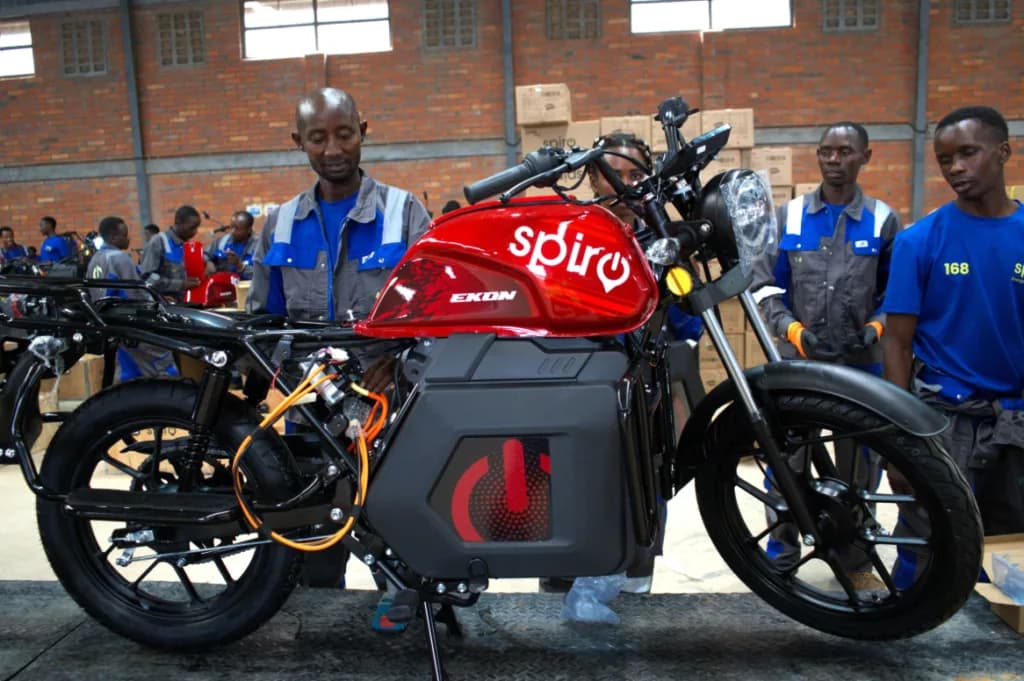
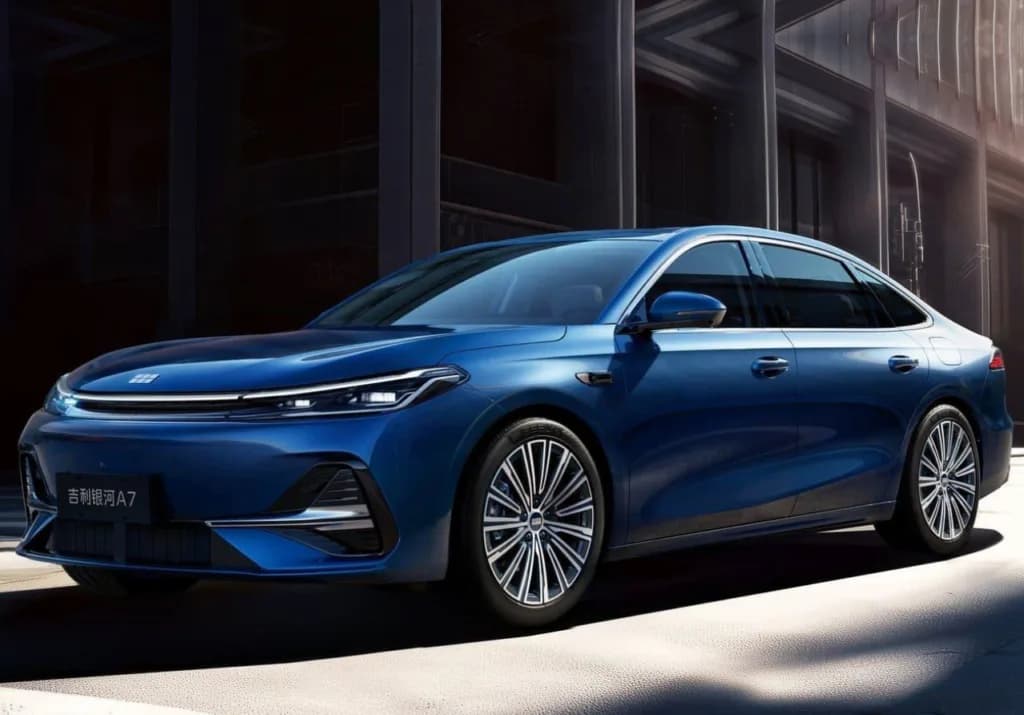
Most of the new launches are electric vehicles or plug-in hybrids. BYD, Geely, Chery, Xpeng, Nio and Leapmotor have all expanded their ranges this year. Some brands are targeting buyers looking for affordable family cars. Others are introducing larger SUVs and premium sedans. Many of these vehicles are also being exported as Chinese brands expand into Europe, Africa, the Middle East and Latin America.
Faster product cycles are becoming the norm
Chinese manufacturers are bringing vehicles to market much faster than they did a few years ago. Shared vehicle platforms, in-house software development and shorter engineering cycles have cut development times. Manufacturers no longer have to start from scratch with every new model. That gives companies more room to respond when demand changes or a rival launches a competing vehicle. Global automakers still tend to work on product cycles that last several years. Chinese manufacturers, however, are updating their line-ups far more often. For buyers, that means a steady supply of new models with updated technology and features. It also means a new vehicle can be followed by an updated version much sooner than many people expect. The pace of new launches shows how competitive China’s car market has become. Manufacturers cannot afford to stand still. Bringing new products to market quickly has become part of staying in the race.