China-Backed Pipeline in Niger Faces Threats Amid Internal Security Crisis and Diplomatic Dispute
A pipeline project backed by China, which promises to transform Niger into an oil-exporting nation, is now under threat due to an internal security crisis and a diplomatic dispute with neighbouring Benin. These issues stem from last year's coup that overthrew Niger's democratic government. The 1,930-kilometer (1,200-mile) pipeline, stretching from Niger’s Chinese-built Agadem oil field
China-Backed Pipeline in Niger Faces Threats Amid Internal Security Crisis and Diplomatic Dispute
A pipeline project backed by China, which promises to transform Niger into an oil-exporting nation, is now under threat due to an internal security crisis and a diplomatic dispute with neighbouring Benin. These issues stem from last year’s coup that overthrew Niger’s democratic government.
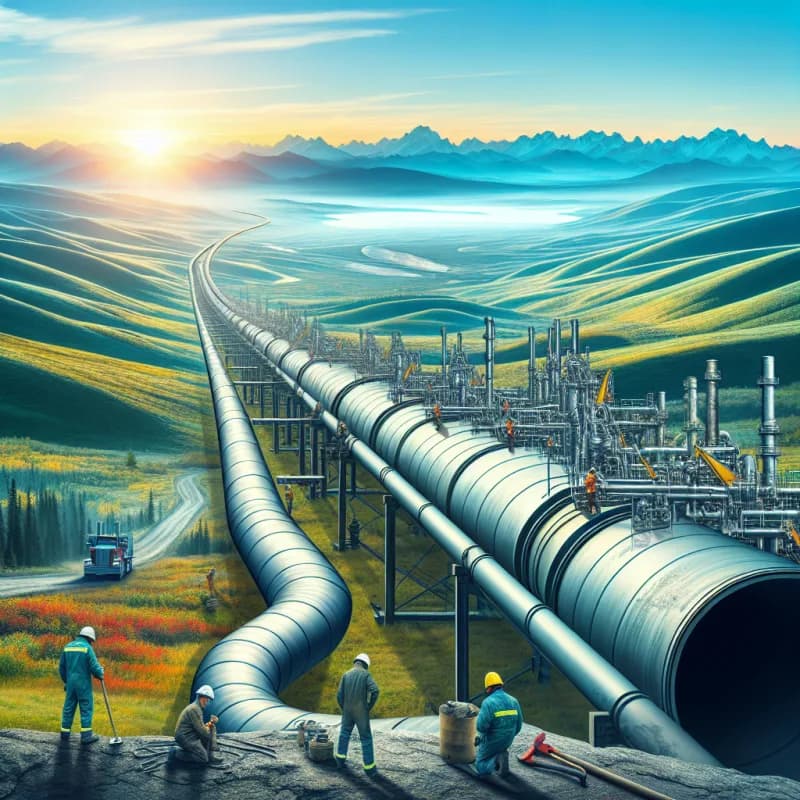
The 1,930-kilometer (1,200-mile) pipeline, stretching from Niger’s Chinese-built Agadem oil field to the port of Cotonou in Benin, was designed to significantly boost Niger’s oil production through a $400 million deal with China’s state-run national petroleum company. However, progress has been halted due to several complications, including a diplomatic row with Benin, which led to the pipeline’s closure last week.
Adding to the turmoil, the local Patriotic Liberation Front rebel group claimed responsibility for an attack on the pipeline this week, stating they had disabled part of it. They are threatening further attacks if the $400 million deal with China isn’t annulled.
In response to these challenges, the Niger junta is exploring alternative routes for oil exportation through neighbouring Chad and Cameroon. This option, along with Nigeria, was considered at the project’s inception before Niger’s elected authorities chose the pipeline route to Benin.
Seidik Abba, a researcher and president of the International Centre for Studies and Reflections on the Sahel (CIRES), notes that the Chad option is fraught with difficulties and uncertainty regarding Chinese reinvestment. “The Chad option is not a simple solution, as it involves building a new oil pipeline. We need to find an investor. Will the Chinese, who have already invested in the pipeline to Benin, invest again in the pipeline to Chad? I don’t think all these questions have been answered yet. It is a possible option, but it raises many challenges,” he said.
The stalled pipeline project has major implications for Niger’s economic growth. The World Bank had projected Niger’s economy to grow the fastest in Africa this year, at a rate of 6.9%, with oil exports being a significant driver.
The diplomatic rift with Benin dates back to July when Niger’s president, Mohamed Bazoum, was ousted in a coup. This event led West African neighbours to close their borders with Niger, triggering the formation of the local liberation group now threatening the oil project.
The economic repercussions are significant for both nations, with Benin also losing millions of dollars in transit fees due to the halted pipeline operations. The future of the pipeline project remains uncertain as Niger navigates these complex political and security challenges.
Main Image: Devdiscourse