Can AI help South African farmers survive a Super El Niño?
by Botshelo Twala A potential Super El Niño is putting South Africa's agricultural sector on high alert. If forecasts prove accurate, farmers could face hotter temperatures, prolonged dry spells and increased pressure on water resources during the 2026/27 summer rainfall season. While no technology can stop a drought, artificial intelligence is giving farmers new ways
Can AI help South African farmers survive a Super El Niño?
by Botshelo Twala
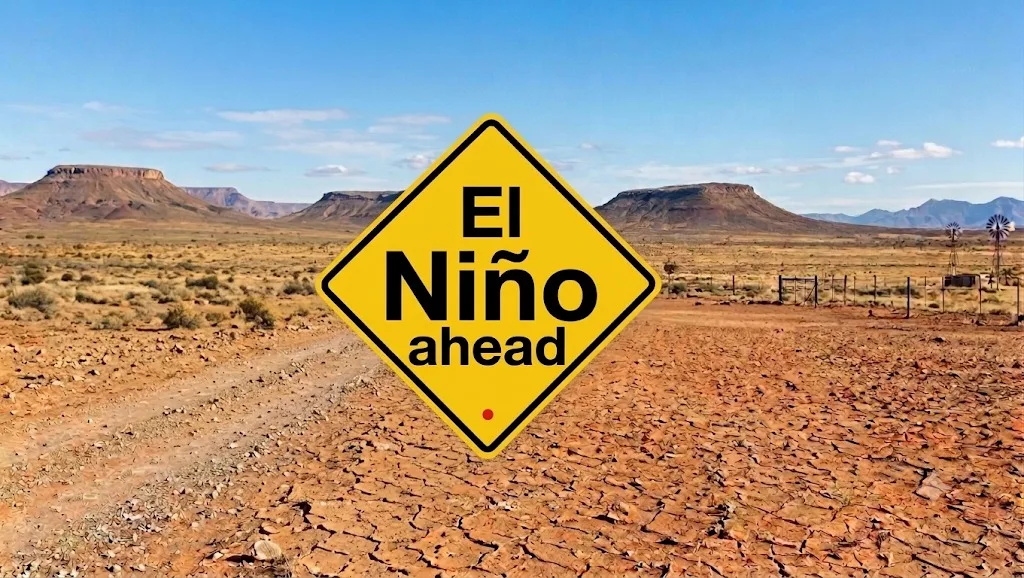
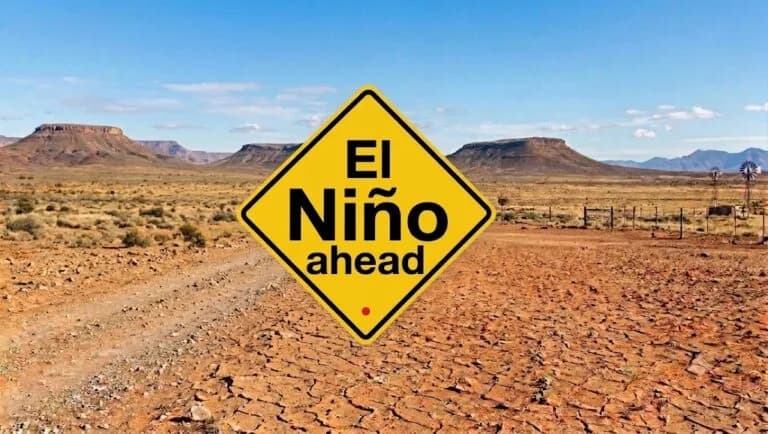
A potential Super El Niño is putting South Africa’s agricultural sector on high alert. If forecasts prove accurate, farmers could face hotter temperatures, prolonged dry spells and increased pressure on water resources during the 2026/27 summer rainfall season. While no technology can stop a drought, artificial intelligence is giving farmers new ways to prepare before the worst arrives.
What is a Super El Niño?
El Niño is a naturally occurring climate pattern caused by warmer-than-average sea surface temperatures in the Pacific Ocean. Although it forms thousands of kilometres from South Africa, it often brings hotter and drier conditions to Southern Africa.
A Super El Niño is an exceptionally strong climate event that can trigger severe droughts, water shortages and crop failures. Climate agencies say El Niño conditions are expected to strengthen through the second half of 2026, with the biggest impact likely to be during South Africa’s 2026/27 summer rainfall season. While it has not yet been officially classified as a Super El Niño, several forecasting models suggest it could become one of the strongest events on record.
Farming is transforming into a data business
South Africa’s agricultural sector supports hundreds of thousands of jobs and is a key contributor to food security, exports and economic growth. But increasingly unpredictable weather is making farming riskier than ever. For many farmers, the next competitive advantage isn’t bigger machinery; it is better data.
How AI is helping farmers stay ahead of this
Artificial intelligence is shifting farming from the reactive to the predictive. By analysing satellite imagery, weather forecasts, soil conditions and historical climate data, AI can identify risks before they become visible in the field. Farmers can use these insights to:
• Predict drought conditions earlier.
• Detect crop stress and disease sooner.
• Optimise irrigation and reduce water use.
• Improve planting and harvesting decisions.
• Forecast yields more accurately.
Instead of reacting to a failed harvest, farmers can make informed decisions before losses escalate.
South African innovation is already at work
The technology is already being used on farms. South African agritech company Aerobotics combines AI, drones and satellite imagery to help growers detect pests, disease and crop stress earlier. Across the continent, companies such as Hello Tractor are using AI and digital platforms to improve access to farming equipment, while other startups are developing climate intelligence tools that help farmers make data-driven decisions.
AI can only reduce the damage, not stop the drought
Artificial intelligence can’t produce rain for farmers, but what it can do is help farmers make smarter use of limited resources. During drought conditions, AI can identify where irrigation will have the greatest impact, highlight stressed crops and improve planning across labour, harvesting and supply chains. As climate risks grow, these technologies are becoming less of a luxury and more of a necessity.
The future of farming is digital
If a Super El Niño actually progresses in South Africa, farmers will face another major test. Unlike previous droughts, many farmers now have access to technologies that can help them prepare for conditions like these rather than simply react.
The question is no longer whether AI belongs on the farm. It is whether South Africa’s farms can afford to face the next climate shock without it.