Best Practices for Calibration in African Mining
Calibration the process of verifying and adjusting measurement instruments to ensure accuracy plays a crucial role in African mining. From load cells and pressure gauges to environmental monitors and weighing systems, accurate readings are essential for operational efficiency, safety, and compliance. Inaccurate measurements can lead to under-reported production, safety hazards, or even regulatory violations. As
Best Practices for Calibration in African Mining
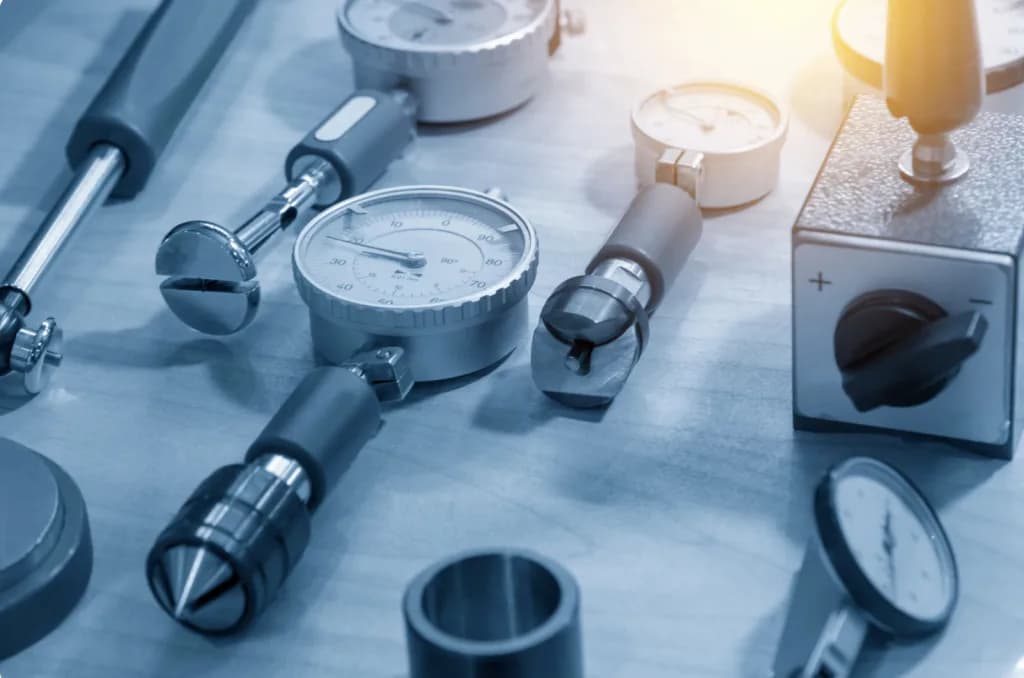
Calibration the process of verifying and adjusting measurement instruments to ensure accuracy plays a crucial role in African mining. From load cells and pressure gauges to environmental monitors and weighing systems, accurate readings are essential for operational efficiency, safety, and compliance. Inaccurate measurements can lead to under-reported production, safety hazards, or even regulatory violations. As mining operations across Africa expand and adopt digital tools, the need for a structured and standardized approach to calibration has never been greater.
Establish Clear Calibration Standards and Schedules
The first best practice is to establish clear calibration standards aligned with international and local regulatory requirements. Mines should adopt recognized benchmarks such as ISO 9001 for quality management or ISO 17025 for laboratory testing and calibration competence. Setting internal standards that reflect the specific operating environment temperature, dust, humidity, and vibration levels ensures that instruments are calibrated in conditions that mirror actual usage.
Equally important is maintaining a fixed calibration schedule. Each instrument should have a defined calibration frequency based on its criticality and exposure to harsh conditions. For example, gas detectors or weighing systems in daily use may require monthly checks, while backup instruments can be serviced quarterly. Predictable schedules minimize unexpected downtime and prevent errors before they occur.
Use Certified Equipment and Qualified Technicians
Calibration is only as reliable as the tools and people performing it. All reference instruments used for calibration must be certified and traceable to national or international standards. Using unverified equipment introduces a cascade of measurement errors that can undermine entire operations.
In the same way, calibration should be conducted by qualified technicians with formal training and certification. African mining companies can build local capacity by partnering with accredited calibration service providers or establishing in-house metrology departments. Skilled professionals ensure that calibration procedures are consistent, documented, and verifiable a critical factor for audits and compliance.
Integrate Calibration into Risk and Maintenance Systems
Calibration should not exist in isolation, it must be integrated into broader risk management and maintenance systems. Linking calibration schedules to asset management software allows managers to track instrument performance, generate alerts for upcoming calibrations, and document all related data digitally. This approach transforms calibration from a reactive task into a predictive maintenance tool, helping companies identify potential equipment drift before it leads to costly failures or safety breaches.
For example, a calibrated vibration monitor can detect early signs of wear in critical mining machinery, allowing timely intervention. Similarly, calibrated environmental sensors help track emissions and ensure regulatory compliance, preventing fines or community disputes through externalities.
Maintain Documentation and Traceability
Transparency and traceability are central to calibration best practices. Every calibration event should produce a certificate of calibration, recording the instrument details, results, date, and technician credentials. These records serve as evidence during audits, inspections, and investor reviews.
Digital record keeping systems make it easier to retrieve historical calibration data, monitor trends, and analyze long-term equipment performance. Over time, this data provides valuable insights into asset reliability and helps optimize calibration intervals for efficiency and cost savings.
Ultimately, calibration excellence in African mining depends on building a culture of precision and accountability. When operators, engineers, and managers understand that every accurate reading contributes to safety, efficiency, and profitability, calibration becomes more than a compliance exercise it becomes a mindset and a way of life in the African Mining Arena.