BYD Launches Aggressive Price War to Dominate China's Electric Vehicle Market
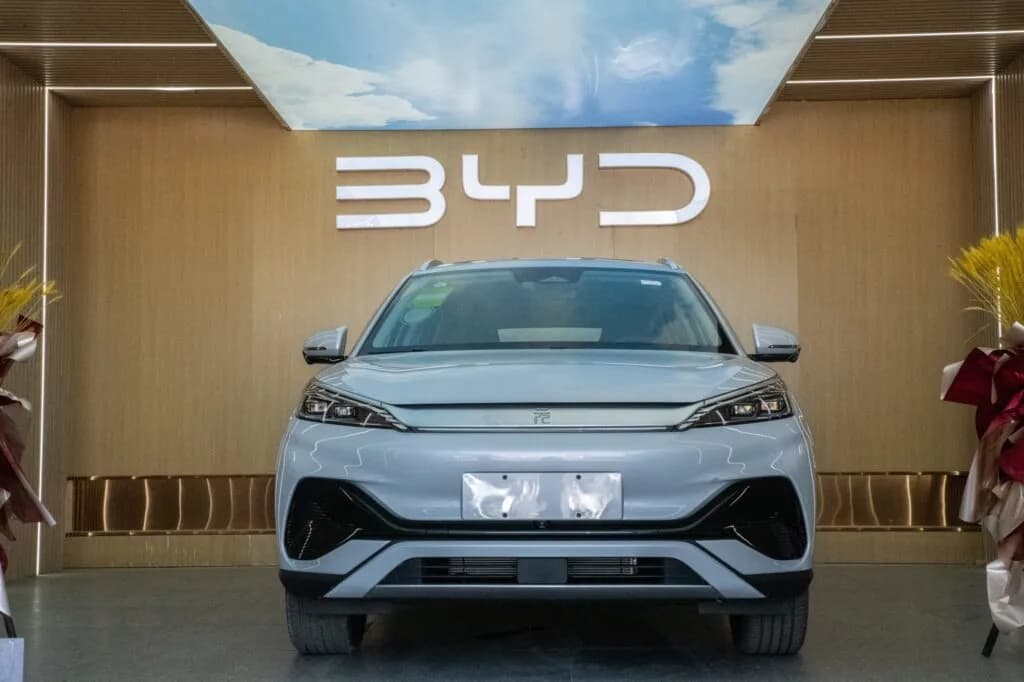
BYD Co., the renowned Chinese electric vehicle (EV) manufacturer, is not content with merely surpassing Tesla Inc. as the world's leading electric car maker. In a bold move, BYD has initiated an aggressive price war, aiming to lure customers away from established giants like Toyota Motor Corp. and Volkswagen AG in China's fiercely competitive automotive
BYD-Launches-Aggressive-Price-War-to-Dominate-Chinas-Electric-Vehicle-Market
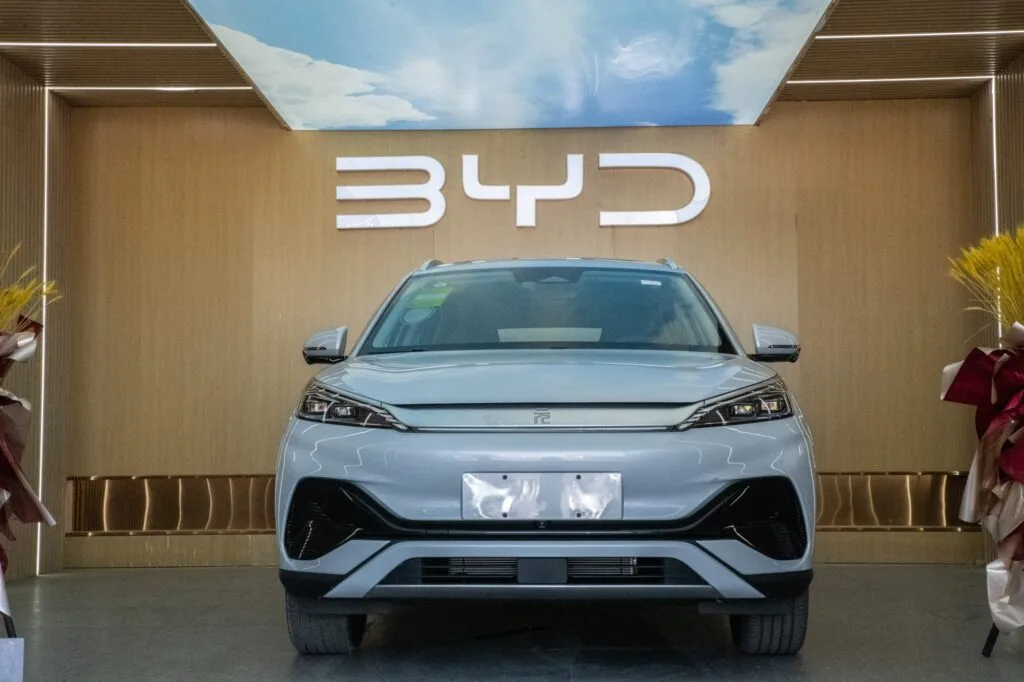
BYD Co., the renowned Chinese electric vehicle (EV) manufacturer, is not content with merely surpassing Tesla Inc. as the world’s leading electric car maker. In a bold move, BYD has initiated an aggressive price war, aiming to lure customers away from established giants like Toyota Motor Corp. and Volkswagen AG in China’s fiercely competitive automotive landscape.
The company has embarked on an extensive discounting campaign, slashing prices on nearly every electric and hybrid car model it offers. Under the slogan “electricity is cheaper than oil,” BYD seeks to entice consumers with compelling pricing strategies.
Data analyzed by Bloomberg News from the Chinese car portal 16888.com reveals that BYD has reduced prices on over 100 existing model versions since December. Moreover, it has reintroduced around 70 model trims with lower price points. Notably, BYD’s latest offerings from its Yangwang brand remain unaffected by the discounts, including its newly unveiled supercar priced at 1.68 million yuan ($233,000).
Among the discounted models, the Seagull hatchback stands out as BYD’s most affordable EV, now priced at 69,800 yuan (less than $10,000), significantly undercutting the average price of American EVs by over $50,000. Similarly, the Qin Plus sedan has seen a steep 20% discount, with prices starting at 79,800 yuan.
While many Chinese EV manufacturers have primarily targeted first-time buyers in affluent urban centers like Shanghai and Shenzhen, BYD’s aggressive pricing strategy aims to penetrate a broader market. By enticing drivers to transition from gasoline-powered vehicles to electric ones, BYD also seeks to capture customers in smaller cities and rural areas previously unable to afford EVs.
This move poses a formidable challenge to industry giants like Toyota, Volkswagen, and Nissan, which have been slower to embrace EV technology and have witnessed declining sales in China as a consequence.
Bill Russo, founder and CEO of Shanghai-based consultancy Automobility, characterizes BYD’s strategy as “round two of the price war,” leveraging its margin advantage to dominate the market.
The extent of BYD’s price cuts has stunned industry observers, with China Passenger Car Association Secretary General Cui Dongshu describing the level of discounting as “ultra-intense” and reaching “an astonishing level.”
Despite concerns about margin erosion, the aggressive pricing tactics have proven effective in driving sales. BYD’s Qin Plus and Seagull models have surged to become top sellers in their categories during the first two months of 2024, displacing traditional gasoline-powered vehicles.
As BYD prepares to release its 2023 results, investors are closely monitoring the impact of the price war on the company’s margins. Analysts anticipate that while companies with higher margins may withstand aggressive price cuts, prolonged competition could squeeze revenues, potentially leading to industry consolidation.
Indeed, China’s EV sector may face a shakeout as weaker manufacturers struggle to compete, potentially prompting mergers or business closures. Yuqian Ding, head of China auto research at HSBC Qianhai, underscores the industry’s need for consolidation, citing an oversaturation of brands and models in the market.
In the midst of this intense competition, the outcome of BYD’s price war will not only shape the trajectory of China’s EV market but also determine the future landscape of the global automotive industry.