Build Now, Build Fast: Africa's Solution to Deficits and Poverty
Africa, particularly Sub-Saharan Africa, is blessed with abundant natural resources yet remains trapped in a cycle of trade deficits, low per capita income, and insufficient job creation. Comparisons with other developing regions make the challenge stark: while Southeast Asia has leveraged manufacturing and exports to achieve higher per capita incomes and trade surpluses, and Latin
Build Now, Build Fast: Africa's Solution to Deficits and Poverty
Africa, particularly Sub-Saharan Africa, is blessed with abundant natural resources yet remains trapped in a cycle of trade deficits, low per capita income, and insufficient job creation. Comparisons with other developing regions make the challenge stark: while Southeast Asia has leveraged manufacturing and exports to achieve higher per capita incomes and trade surpluses, and Latin America benefits from more diversified economies, much of Africa continues to export raw commodities and import finished goods. This extractive model fuels volatility, limits fiscal space, and perpetuates poverty.
Africa vs Other Developing Regions – Trade Balance Comparison
The data is clear. Africa’s overall trade position shows small surpluses driven by oil and minerals, but many non-resource economies run persistent deficits. Per capita GDP across the continent hovers around $1,800–$2,000, far below Southeast Asia (~$5,500–$6,500) and Latin America (~$8,500–$9,500). Sub-Saharan Africa fares even worse at around $1,700. Despite enormous capital inflows and debt accumulation over the past decade, the translation into broad-based economic power and sustainable growth has been disappointing. The solution is not more extraction, the real solution is industrialisation at speed. Africa must build now, and build fast.
This has a knock-on effect on the average GDP per capita
The Extractive Trap and Its Costs
For too long, many African economies have relied on exporting raw materials such as oil, minerals, cocoa, coffee, while importing refined products, machinery, and consumer goods. This model creates jobs in extraction but few in value addition. It leaves countries vulnerable to global price swings, as seen in recent commodity cycles. Trade deficits widen when import bills for fuel, food, and technology rise, while reserves of foreign exchange dwindle. The result is low employment, limited skills development, and constrained government revenue for infrastructure and social services.
Debt has been deployed in large quantities across Africa, for roads, ports, power projects, and more, yet outcomes often fall short of expectations. Funds are sometimes lost to corruption, poor project execution, or lack of complementary industrial policy. The consequence is a continent rich in potential but poor in realised economic power.
Real-Life Examples: Industrialisation in Action
Thankfully, pockets of transformation are emerging and proving the model works.
The standout example for Africa is Dangote Refinery in Nigeria. Africa’s largest refinery, with a capacity of 650,000 barrels per day, has already become a massive catalyst. It reduces Nigeria’s dependence on imported refined fuel, stabilises supply, and lowers prices for consumers and businesses.
The knock-on effects are profound: thousands of direct and indirect jobs, skills transfer in engineering and operations, and the potential for higher-value exports of refined products. Dangote’s expansion plans into Kenya signal a pan-African vision that will be replicating this success across borders. Stable, locally refined fuel means lower transport costs, more competitive manufacturing, and stronger downstream industries.
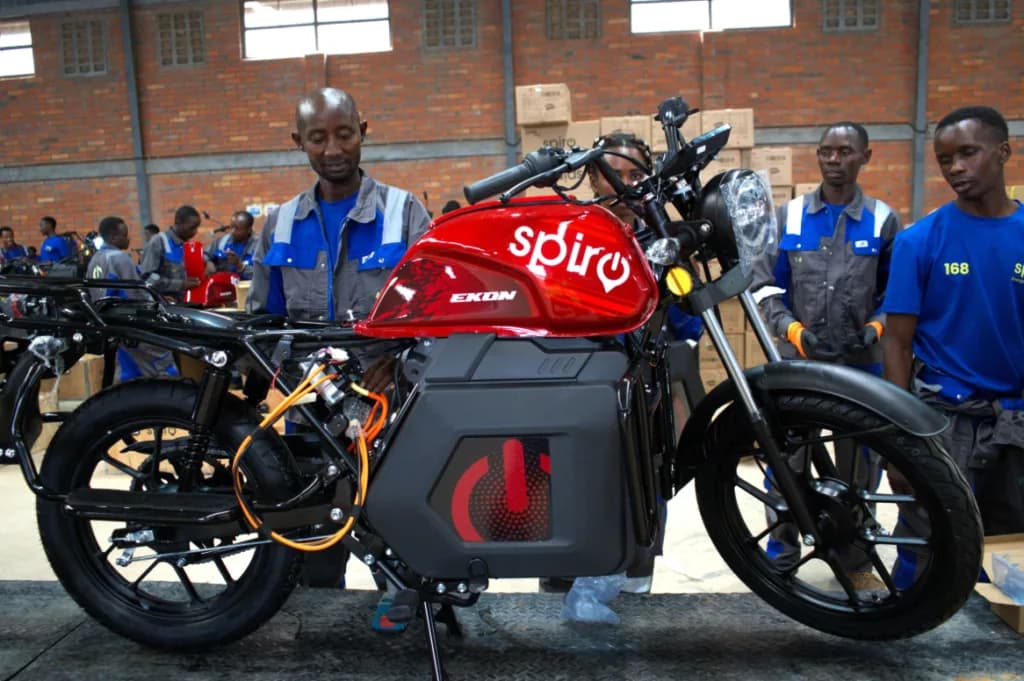
Similar stories are unfolding elsewhere. In Ethiopia, major investment in power supply via a massive Hydro-electric development is driving the growth of industrial parks and manufacturing investments in textiles, leather, and pharmaceuticals which are creating employment at scale. Morocco has successfully built an automotive industry that exports vehicles and components. Rwanda and Ghana are making strides in agro-processing and digital services. These examples demonstrate that deliberate industrial policy, combining infrastructure, skills development, and private sector incentives, can break the extractive cycle.
The common thread is building: building refineries, factories, processing plants, and logistics hubs. Each project creates immediate jobs, transfers technology, and generates multiplier effects across the economy. When Dangote Refinery operates at full capacity, it doesn’t just refine oil — it strengthens energy security, boosts government revenue, and encourages further investment in related sectors.
Why Industrialisation Must Be Accelerated
Africa cannot afford gradualism. With youth populations exploding and climate change threatening agriculture, the continent needs millions of new jobs annually. Industrialisation delivers exactly that — labour-intensive manufacturing, agro-processing, and services linked to value chains.
Key pillars for success:
- Infrastructure: Reliable power, roads, ports, and digital connectivity are non-negotiable foundations.
- Skills and Human Capital: Technical and vocational training aligned with industry needs.
- Policy and Governance: Predictable regulations, reduced bureaucracy, and zero tolerance for corruption.
- Intra-African Trade: AfCFTA must move from agreement to implementation, allowing African goods to move freely and compete regionally before going global.
- Private Sector Leadership: Governments should enable, not crowd out, entrepreneurs and industrialists like Aliko Dangote.
The contrast with successful developing regions is instructive. Southeast Asia invested heavily in education, infrastructure, and export-oriented manufacturing decades ago. Their per capita incomes and trade positions reflect that long-term commitment. Africa can follow a similar path, leveraging its youthful population and resource base as advantages rather than curses.
Time to Roll Up Sleeves – No More Excuses
The era of blaming external factors while tolerating internal failures must end. Corruption and elite capture have squandered too many opportunities. Debt incurred for white-elephant projects or siphoned off has left future generations burdened. It is time for accountability, transparency, and results-oriented leadership.
Africans must build — not just talk about building. Build refineries that process local resources. Build factories that turn raw materials into finished goods. Build small and medium enterprises that create jobs in every community. Build skills through apprenticeships and modern technical education. Build efficient logistics and transport networks that reduce the cost of doing business.
The Dangote model shows what is possible when vision meets execution. Its expansion across borders could spark a regional industrial renaissance. Other nations and entrepreneurs should emulate this approach: identify critical gaps (refining, fertiliser, pharmaceuticals, automotive components, food processing), secure investment, and execute relentlessly.
The Path Forward
Africa does not lack potential — it lacks consistent execution at scale. With a young, dynamic population, vast arable land, and mineral wealth, the ingredients for prosperity exist. The missing piece is the collective will to move from extraction to transformation.
Leaders, policymakers, and citizens must prioritise industrialisation with urgency. Investors, local and international, should see Africa not just as a source of raw materials but as a destination for value-adding industry. Development partners can support with technology transfer, skills programmes, and financing focused on productive capacity rather than consumption.
A clear choice lies before the continent: continue the cycle of deficits, debt, and disappointment, or commit to building now and building fast. The latter path offers dignity, opportunity, and shared prosperity. It is time for Africa to roll up its collective sleeves and create the future it deserves.