Bolt hits €2 billion in annual revenue
Bolt Founder and CEO Markus Villig has announced the global shared mobility platform has hit €2BN (R36BN) in annual revenue. Speaking on 20VC, the technology podcast hosted by entrepreneur Harry Stebbings, Markus described Bolt’s rapid growth since he founded the company as a teenager in Estonia in 2013 with just a €5000 loan from his
Bolt hits €2 billion in annual revenue
Bolt Founder and CEO Markus Villig has announced the global shared mobility platform has hit €2BN (R36BN) in annual revenue.
Speaking on 20VC, the technology podcast hosted by entrepreneur Harry Stebbings, Markus described Bolt’s rapid growth since he founded the company as a teenager in Estonia in 2013 with just a €5000 loan from his parents.
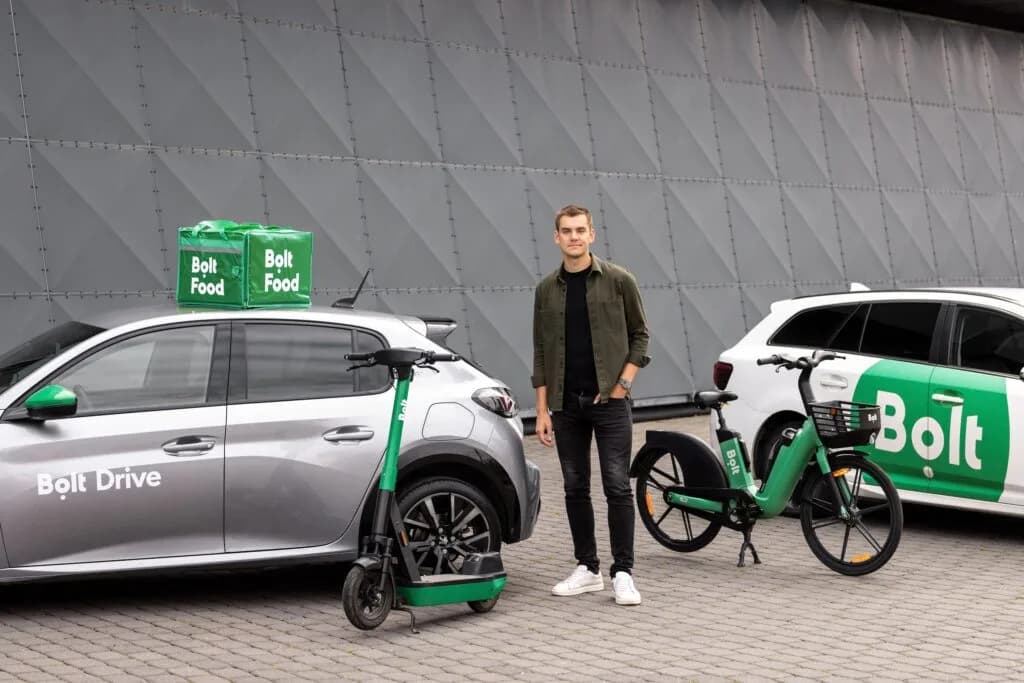
During this early period, Markus bootstrapped the business, scaling Bolt out of its home market of Estonia with a small team and the initial loan from his parents. Today, Bolt has expanded its offering to five products including ride-hailing, scooter and e-bike rental, food and grocery delivery, and car-sharing. Today Bolt is present in more than 50 countries and is the number one operator in more than 20 of them.
Markus also challenged the view that Europe’s tech talent pool is weaker than Silicon Valley, highlighting the talent available in Europe as a key driver of Bolt’s success over the years.
“I don’t really agree that you cannot figure out how to do world-class marketing or engineering from Europe”, Villigsaid. “In our experience, what has worked significantly better [than hiring from the US] is taking people from Europe who are really talented and hard-working but have just never had the opportunity to compete on the world stage before. Those are the people that really built the company and have grown with it – it’s a completely different mentality to hiring people in Silicon Valley who might move on to the next thing two years later.”
Looking forward, Markus highlighted Autonomous Vehicles (AV) as an important strategic priority for the business and believes that platforms like Bolt will be crucial to deploying AV technology at scale.
Villig said: “Ride-hailing companies are going to be the best way for self-driving cars to come to market. Some people think that these companies are going to build their own operations and companies like ours are going to get squeezed out of the market. I think these people just have no idea about the complexities involved and how difficult it is to scale ride-hailing networks such as this. We’ve been building this for 11 years with human drivers and that’s already hard. If you add the complexity of managing this autonomous operation and cleaning the cars and charging them and so on, I think it’s only going to get more difficult.”
However, Markus did urge caution when talking about the timing for autonomous vehicle technology to come to market saying companies working in the space were “years out before having a service that is commercially viable, cheaper than a human driver and one that meets regulatory requirements.”
Main Image: Bolt