Boeing Chooses Ethiopia for Continental Hub Due to Aviation Safety Excellence
Kenya, South Africa, and Ethiopia were all in contention to host the continental branch of the American aerospace giant, Boeing. However, Ethiopia emerged as the chosen location, thanks to its exemplary aviation safety record, which is among the best in Africa, according to Kenyans.co.ke. In March, Ethiopian Airlines made history by becoming the first African
Boeing Chooses Ethiopia for Continental Hub Due to Aviation Safety Excellence
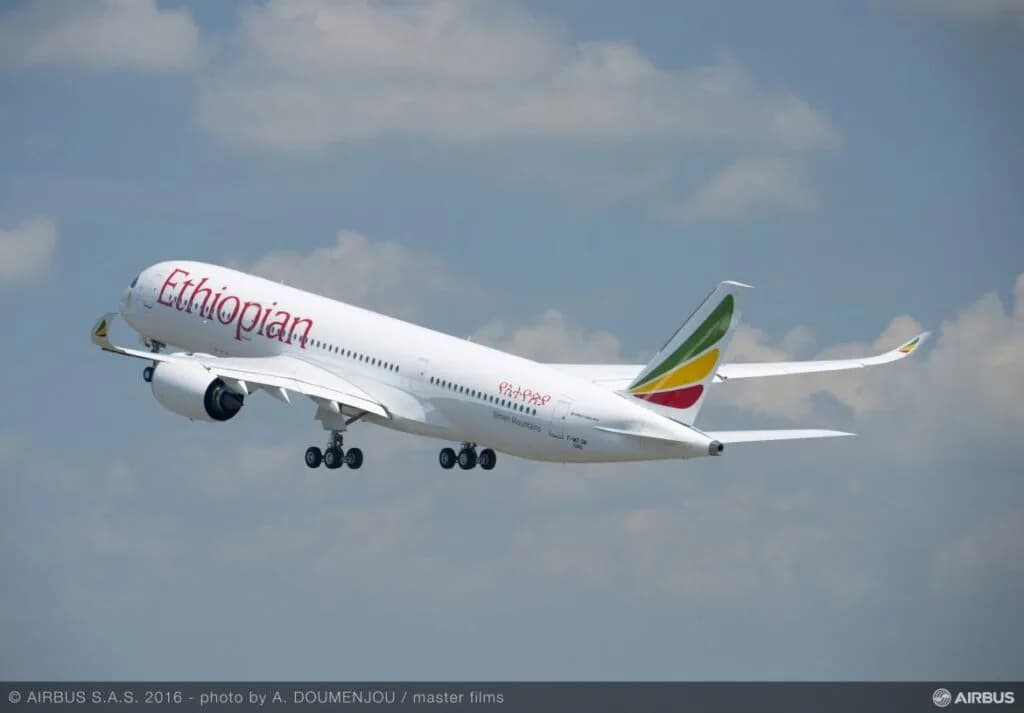
Kenya, South Africa, and Ethiopia were all in contention to host the continental branch of the American aerospace giant, Boeing. However, Ethiopia emerged as the chosen location, thanks to its exemplary aviation safety record, which is among the best in Africa, according to Kenyans.co.ke.
In March, Ethiopian Airlines made history by becoming the first African customer for the Boeing 777X. Despite recent challenges, the airline has remained steadfast in its commitment to Boeing. Last year, Ethiopian Airlines announced orders for 11 Boeing 787 Dreamliners and 20 Boeing 737 Max airplanes as part of its fleet modernization strategy.
To spearhead this new initiative, Boeing has appointed Henok Shawl to lead its Africa division. Shawl, who previously served at Ethiopian Airlines, was chosen for his extensive experience in both the aviation and telecommunications sectors.
“Africa’s abundant natural resources and burgeoning young workforce are poised to drive significant growth in air traffic and airplane demand over the next two decades,” read part of Boeing’s statement.
In the previous year, Boeing delivered 528 commercial airplanes and received 1,576 net orders. The company is estimated to have a market capitalization of Ksh 14 trillion (USD 107 billion) as of May 2024.
Boeing projects that African carriers will need an estimated 1,030 new aircraft over the next 20 years to meet international standards.
To support this growth, Boeing and Ethiopian Airlines have signed a strategic Memorandum of Understanding (MoU) aimed at enhancing airline operations and developing four key areas: industrial development, advanced aviation training, educational partnerships, and leadership development.