Block Energy Expands Into Gabon With Offshore Licence Deal
Block Energy PLC is moving into Gabon’s offshore oil sector through a conditional agreement with UK-based Pilgrim Exploration Limited, targeting two production sharing contracts (PSCs) covering the Ndjila (G4-269) and Mpari (G4-270) blocks. The deal gives Block Energy access to adjacent offshore licences spanning roughly 5,331 square kilometres. The blocks already contain four identified oil
Block Energy Expands Into Gabon With Offshore Licence Deal
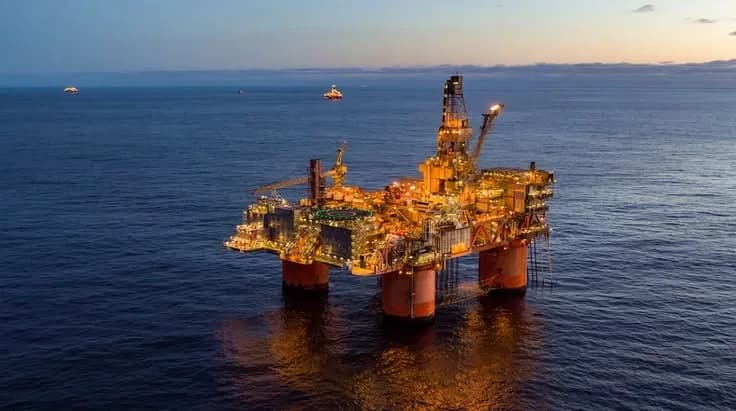
Block Energy PLC is moving into Gabon’s offshore oil sector through a conditional agreement with UK-based Pilgrim Exploration Limited, targeting two production sharing contracts (PSCs) covering the Ndjila (G4-269) and Mpari (G4-270) blocks.
The deal gives Block Energy access to adjacent offshore licences spanning roughly 5,331 square kilometres. The blocks already contain four identified oil discoveries, including the Iguega field, where test production has reached up to 3,300 barrels per day based on Pilgrim’s data. Both licences also come with existing subsurface data, which could shorten the timeline for further exploration and development.
As part of the transaction, Block Energy plans to issue a convertible loan to Pilgrim Exploration, which currently holds a 90% stake in the assets through its subsidiaries. If converted, and pending regulatory approval in Gabon, Block Energy would secure an indirect economic interest of 76.5% in the licences. To fund the move, the company is looking to raise $6.3 million in two phases through a private placement and an offer to existing shareholders
Expansion Strategy and Market Context
The transaction remains subject to approval and funding. Block Energy is still a relatively small operator, with a market value of around $16.4 million and annual revenue of $7.22 million, largely from its operations in Georgia. If completed, this would mark its first entry into the African market.
This development follows interest in Gabon’s offshore sector begins to pick up again. While national production has declined from earlier peaks, output stood at about 230,000 barrels per day in 2024. At the same time, a significant portion of the country’s petroleum acreage remains undeveloped, leaving room for new entrants and further exploration.