Optimizing Conveyor Systems with Laser Technology Alignment
As the beneficiation of African minerals becomes a reality, two critical factors come into play across the continent’s mining firms, laser alignment and bulk material handling operations. Mineral processing relies heavily on conveyor belts, which serve as the arteries of industrial production moving vast quantities of material efficiently and continuously. Yet even minor misalignments can
Optimizing Conveyor Systems with Laser Technology Alignment
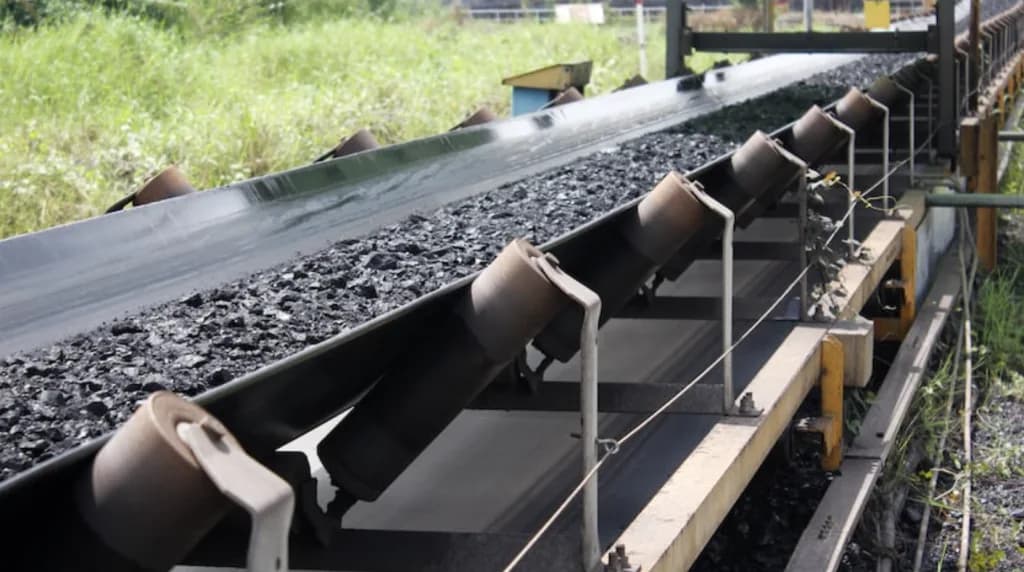
As the beneficiation of African minerals becomes a reality, two critical factors come into play across the continent’s mining firms, laser alignment and bulk material handling operations. Mineral processing relies heavily on conveyor belts, which serve as the arteries of industrial production moving vast quantities of material efficiently and continuously. Yet even minor misalignments can lead to material spillage, accelerated wear, downtime, and safety hazards.
Laser alignment technology has emerged as a game changing solution, providing precise and rapid adjustments that optimize both efficiency and safety. By ensuring that belts, pulleys, and idlers operate in perfect harmony, laser alignment systems help mining and bulk handling operations achieve higher productivity while maintaining safer working conditions.
Extended Component Life
One of the most significant advantages of laser alignment is its ability to extend the life of conveyor components. Traditional alignment methods, such as using string lines or straight edges, often lack the precision required for complex conveyor systems. Misaligned belts tend to drift off-center, leading to uneven wear on idlers, pulleys, and belt edges. Over time, this not only shortens component life but also increases energy consumption as the system compensates for additional friction. Laser alignment eliminates these inefficiencies by delivering pinpoint accuracy, ensuring all rotating elements are perfectly parallel. The result is a smoother operation, reduced mechanical strain, and a longer service life for both the belt and its supporting components.
Improved Tracking
Proper belt tracking is vital for maintaining consistent performance, particularly in heavy-duty applications such as mining and quarrying. A misaligned belt can cause material to spill or drift off the flow path, requiring constant manual correction. Laser alignment systems solve this issue by ensuring the belt remains correctly centered throughout its operation. The technology uses laser beams to project straight reference lines, allowing maintenance teams to align pulleys and idlers quickly and precisely. Once calibrated, the belt tracks flawlessly, keeping material in the correct flow stream and eliminating the need for frequent adjustments. This not only saves time but also enhances overall system reliability.
Reduced Commissioning Time
Time is a critical factor during the installation and commissioning of conveyor systems. Traditional alignment techniques can be labor-intensive, requiring repeated measurements and manual checks. Laser alignment dramatically reduces this process, enabling technicians to achieve accurate alignment in a fraction of the time. The technology provides real-time feedback, allowing for immediate adjustments without repeated trial and error. This means new conveyor systems can become fully operational sooner, minimizing project delays and improving return on investment.
Improved Safety
Safety and environmental compliance are top priorities in modern industrial operations. Misaligned conveyor belts are a leading cause of spillage, creating hazards for workers and increasing cleanup requirements. They also generate dust, which can compromise air quality. By maintaining precise tracking, laser alignment ensures that materials remain contained within the belt’s flow path. The reduction in spillage and dust leads to cleaner, safer work areas and supports compliance with occupational health and safety standards.
Fewer Manual Adjustments
Laser systems also enhance worker safety by minimizing the need for manual intervention. Traditionally, maintenance personnel are required to enter hazardous zones to adjust misaligned belts or tensioners. These activities expose workers to moving parts and pinch points, increasing the risk of injury. With laser alignment, the belt remains properly aligned for extended periods, drastically reducing the frequency of manual adjustments. This allows maintenance teams to focus on preventive maintenance tasks rather than reactive corrections, improving both safety and efficiency.
Damage Prevention
Beyond operational improvements, laser alignment contributes to accident prevention. Belt failures caused by misalignment can lead to sudden stoppages, equipment damage, and even major incidents in high-load operations. Keeping belts aligned minimizes the chance of structural stress, slippage, or mechanical breakdowns that could escalate into safety hazards. In this way, laser alignment not only protects equipment but also safeguards personnel and production continuity.
Laser alignment continues to represent a significant advancement in conveyor system maintenance and performance management. By integrating precision, speed, and safety, it empowers operators to maximize uptime, minimize wear and tear, and uphold a cleaner, more secure working environment ultimately driving greater efficiency and reliability across African mining industrial operations.