Have AI Startups Delivered for African Small-Scale Mining?
Artisanal and small-scale mining remains an important source of income across many African countries. The sector continues to face challenges ranging from low productivity and safety risks to limited access to finance and environmental pressures. While large mining companies increasingly deploy advanced digital systems, a growing number of startups are exploring how data-driven technologies can
Have AI Startups Delivered for African Small-Scale Mining?
Artisanal and small-scale mining remains an important source of income across many African countries. The sector continues to face challenges ranging from low productivity and safety risks to limited access to finance and environmental pressures. While large mining companies increasingly deploy advanced digital systems, a growing number of startups are exploring how data-driven technologies can address some of the constraints facing smaller mining operations.
The question is are these solutions delivering impactful results on the ground. The answer appears mixed. Several technologies have shown promise in exploration, traceability, safety and financing, but adoption remains limited across much of the sector.
Improving Visibility and Decision-Making
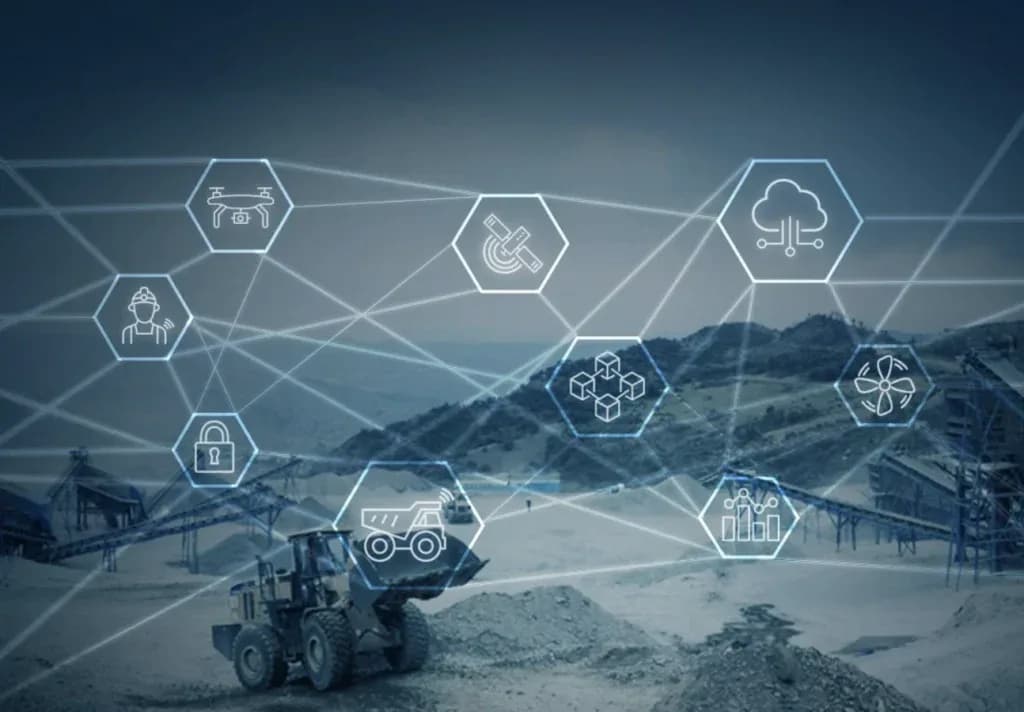
In many mining communities, prospecting still depends heavily on local knowledge, geological observations and trial-and-error methods. New exploration tools that combine satellite imagery, drone surveys and geological datasets offer a more structured approach to identifying prospective areas.
Technology companies operating in the mining sector are increasingly using machine learning, remote sensing and digital mapping to process large volumes of geological information. While these tools do not eliminate exploration risk, they can help miners narrow search areas and make more informed decisions before committing resources to excavation.
For small-scale miners, producing minerals is only part of the equation. Selling into formal markets increasingly requires proof of origin and greater visibility across the supply chain.
Demand for digital traceability has increased as mineral buyers seek clearer records on where minerals come from and how they move through the supply chain. This has encouraged the development of platforms that record production data and track material movement from mine sites to downstream buyers. For mining cooperatives and formalised operators, these systems can support efforts to demonstrate the origin of minerals and meet sourcing requirements from international markets.
Beyond exploration and supply chain management, safety remains another area where technology providers see opportunities for improvement. Drones, environmental monitoring systems and computer vision tools are being tested across mining environments to identify hazardous conditions and improve site oversight. Although adoption varies widely, these technologies offer practical ways to strengthen risk management in operations where safety resources are often limited.
Even when miners improve exploration, safety and traceability practices, access to capital remains a constraint. Small-scale miners frequently struggle to secure funding because lenders rarely have access to reliable information about production and operational performance. Digital records, transaction histories and production data could provide alternative ways of assessing creditworthiness, particularly for organised cooperatives seeking to invest in equipment and operational improvements.
The Barriers to Wider Adoption
While these technologies show potential, moving from pilot deployments to widespread adoption remains difficult.
Limited access to capital remains one of the biggest obstacles. Small-scale mining operations typically work with constrained budgets, making it difficult to invest in drones, sensors, monitoring systems and specialised software. Even when platforms are affordable, the supporting hardware can place adoption out of reach for smaller operators.
Affordability is not the only challenge. Mining sites are frequently located in remote areas where electricity supply and network connectivity remain unreliable. These conditions can limit the effectiveness of tools that depend on continuous data transmission or cloud-based services.
Infrastructure constraints are compounded by trust issues. Some miners remain cautious about sharing production data or adopting digital monitoring systems due to concerns about regulatory scrutiny, taxation or disputes over mining rights. Technology providers may spend months building relationships before introducing new systems.
The structure of the sector creates an additional challenge. Large mining companies can deploy systems across multiple operations, but independent miners and loosely organised groups usually require a different approach. This makes standardised technology deployment more difficult and can increase implementation costs for technology providers.
Can These Technologies Scale?
Early deployments have shown that digital tools can improve how small-scale miners explore deposits, track production and manage risk. The larger question is whether these solutions can work at a scale that matches the size of Africa’s ASM sector.
Developing the technology is only the first step. Affordability, connectivity and trust will play an equally important role in determining adoption. Companies that can deliver practical solutions under real operating conditions are likely to find the strongest opportunities in the years ahead.
The potential is clear, but widespread adoption will depend on whether technology providers can bridge the gap between pilot projects and the realities of day-to-day small-scale mining operations across the continent. Success will depend less on developing new tools and more on making existing technologies accessible, practical and affordable for the miners who need them most.