Another 100 businesses close down in South Africa
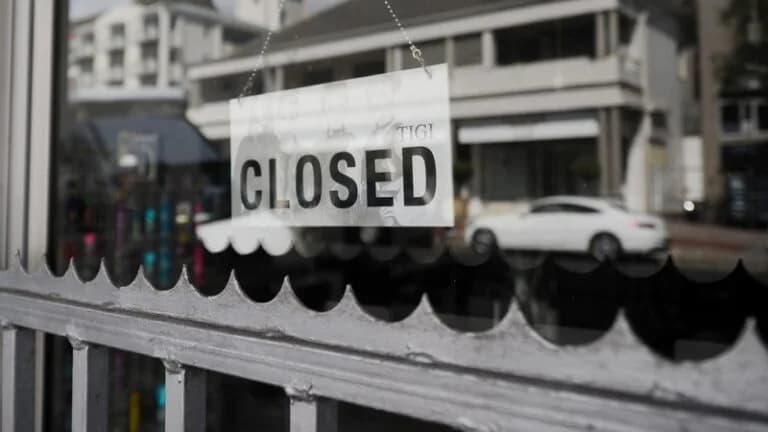
In the initial year of 2023, South Africa saw a huge surge in business closures, with 109 enterprises shutting down, marking a great 35% increase compared to the same period in the previous year. Statistics South Africa's recent data on liquidations reveals a 34.6% rise in the total number of liquidations in January 2024 compared
Another-100-businesses-close-down-in-South-Africa
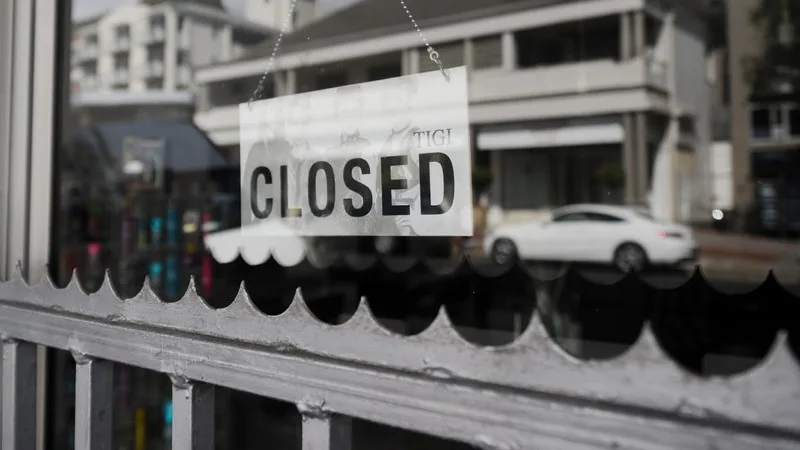
In the initial year of 2023, South Africa saw a huge surge in business closures, with 109 enterprises shutting down, marking a great 35% increase compared to the same period in the previous year.
Statistics South Africa’s recent data on liquidations reveals a 34.6% rise in the total number of liquidations in January 2024 compared to January 2023. The increase primarily stems from a rise of 28 cases in the liquidation of companies, while liquidations of closed corporations remained stable during this period.
Despite this significant year-on-year spike, there was a 3.9% decline in total liquidations during the three months ending January 2024 (from November 2023 to January 2024) in comparison to the same period in the previous year.
Most liquidations occurred on a voluntary basis, with 11 being compulsory. Among the classified liquidations, a considerable number were observed in the financing, insurance, real estate, and business services sectors, followed by the trade, catering, and accommodation sector.
The challenging business environment that characterized much of 2023 appears to persist into the new year, as indicated by the BankservAfrica Economic Transactions Index (BETI) for January. The index revealed stagnant economic activity, remaining unchanged at 133.3 and experiencing only a marginal 0.4% improvement year-on-year.
Despite a temporary respite from load shedding and a reduction in fuel prices, the economy struggled to gain momentum in January. Elevated interest rates, high food price inflation, a lackluster job market, low wage growth, and diminished confidence levels contributed to an underwhelming economic narrative.
Other economic indicators, including the S&P Global South Africa Purchasing Managers’ Index (PMI), only increased slightly from 49.0 in December to 49.2, reflecting a challenging operating environment for private businesses. Businesses also faced challenges from the Durban port crisis, impacting delivery times and output capacity.
The Absa PMI further underscored the struggles, dropping to an index level of 43.6, last witnessed during the Covid-19 pandemic, indicating continued challenges in the manufacturing sector.
Total vehicle sales in January disappointed, with only 41,636 units sold, marking the sixth consecutive month of sales declines. The cost-of-living crisis, load shedding, and logistics challenges were cited by Naamsa as contributing factors.
In addition to economic woes, there has been a notable increase in the prospect of job losses in the mining sector, with strained companies preparing for substantial workforce reductions.