Digital Dispatch Systems: Are African Haulage Fleets Running Half Blind?
African mining operations depend heavily on haulage, but control over it is not always as precise as it looks. Trucks move constantly between pit and plant, keeping material flowing. Yet behind that movement, dispatch decisions still rely on radio calls and manual tracking instead of real-time system visibility. On paper, this may not seem like
Digital Dispatch Systems: Are African Haulage Fleets Running Half Blind?
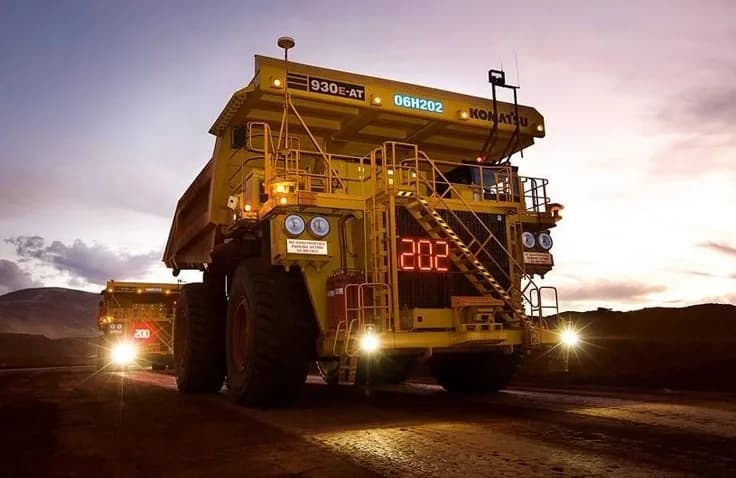
African mining operations depend heavily on haulage, but control over it is not always as precise as it looks. Trucks move constantly between pit and plant, keeping material flowing. Yet behind that movement, dispatch decisions still rely on radio calls and manual tracking instead of real-time system visibility.
On paper, this may not seem like a major issue. Trucks move, material arrives, and production continues. But beneath that surface, inefficiencies quietly accumulate. Idle trucks wait at loading points. Queues build at crushers. Operators make routing decisions based on incomplete or delayed information. Over time, these small inefficiencies translate into lost tonnes, higher fuel consumption, and unnecessary wear on equipment.
What Digital Dispatch Systems Actually Change
Digital dispatch systems are designed to address exactly this problem. These platforms use GPS tracking, onboard sensors, and centralized control software to monitor every truck, shovel, and loading point in real time. Dispatchers can see where equipment is, how it is performing, and where it should go next. Instead of reacting to delays after they happen, operations can adjust while material is still moving.
The value of that visibility becomes clearer as operations scale. A dispatch system can balance truck assignments, reduce queuing, and stabilise the flow of material across the mine. It also exposes what usually goes unnoticed inconsistent cycle times, underutilised equipment, and bottlenecks that only show up when data is tracked continuously.
Global Standard, Uneven Local Adoption
Globally, digital dispatch has become standard in large mining operations. Major producers in Australia, North America, and South America rely on these systems to manage complex fleets and keep production predictable. In those environments, running haulage without real-time visibility would be difficult to defend.
In Africa, adoption is more uneven. Many large operations have integrated dispatch systems into broader digital strategies, but many mid-tier and smaller mines still operate with limited visibility over their fleets. Decisions are often based on experience, which works until the operation becomes too complex for intuition to keep up.
There are practical reasons for this. Dispatch systems require investment in hardware, software, and site-wide connectivity. Reliable network coverage across a mine is not always guaranteed, especially in remote locations. There is also a skills gap. Interpreting data and trusting system recommendations is not always straightforward, particularly in environments where operations have long relied on manual control.
Even where systems are in place, they are not always used to their full potential. African Mining Operations use them for basic tracking but stop short of using optimisation features that actually change performance.
Where the Real Gap Sits
Haulage is easy to see, but harder to track properly. Trucks queue, take longer routes, or sit idle, and it doesn’t show up as one clear problem. It shows up in fuel burn, longer cycle times, and missed tonnes.
That is where the gap sits. Without consistent, real-time visibility, dispatch is still being run on partial information. Not blind, but not fully in control either and in a system that moves this much material, that difference shows up quickly.
Read more About MINING tech HERE