Ripple Effects of Automation in African Mining
African mining industries are undergoing significant transformations with the adoption of automation, bringing advanced technologies like autonomous haul trucks, AI-driven monitoring systems, and predictive maintenance tools to the forefront. These innovations are changing the way mining companies operate, boosting efficiency, improving safety, and reducing operational errors. By leveraging automation, mining companies aim to optimize productivity,
Ripple Effects of Automation in African Mining
African mining industries are undergoing significant transformations with the adoption of automation, bringing advanced technologies like autonomous haul trucks, AI-driven monitoring systems, and predictive maintenance tools to the forefront. These innovations are changing the way mining companies operate, boosting efficiency, improving safety, and reducing operational errors. By leveraging automation, mining companies aim to optimize productivity, lower costs, and gain a competitive edge in the global market.
Enhancing Safety Standards
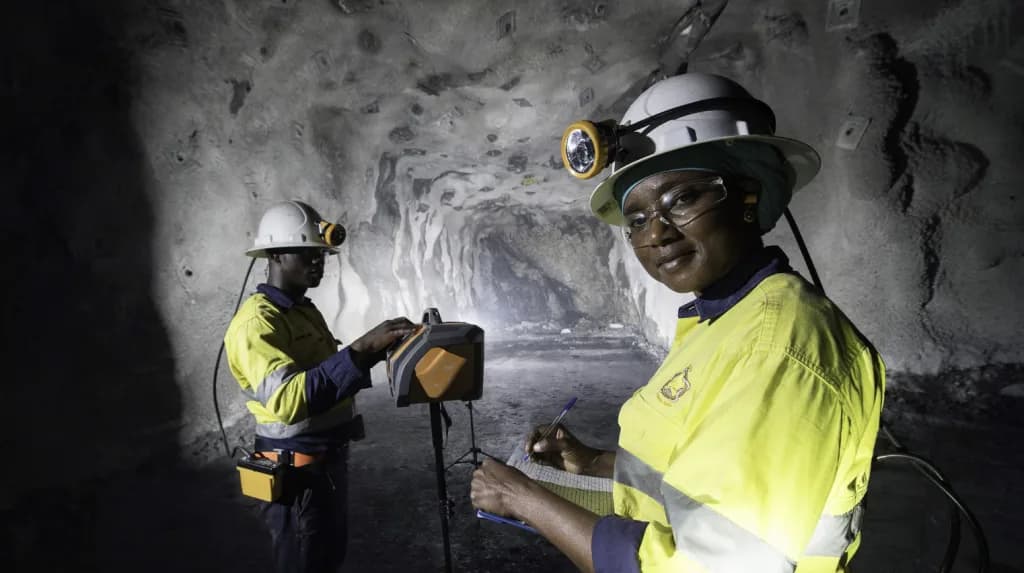
Safety is a top priority in mining, and automation is playing a critical role in enhancing safety standards. By limiting workers’ exposure to hazardous conditions, autonomous machinery and real-time monitoring systems can detect hazards early and prevent accidents. For instance, autonomous haul trucks can operate in unstable terrain, high-dust zones, and extreme temperatures, reducing the risk of accidents and injuries. Additionally, sensors and real-time monitoring systems can detect potential hazards, allowing preventive measures to be taken before incidents occur. This not only improves safety but also maintains operational efficiency.
Building on Safety Improvements and Optimizing Resource Management
With safety standards improved, mining companies can focus on optimizing resource management. The complexities of African geology pose significant challenges for mining operations, from fluctuating ore grades to unpredictable rock formations. Automated systems equipped with AI and advanced analytics navigate these challenges with greater precision. By continuously monitoring site data, these systems optimize extraction processes, minimize waste, maximize yield, and extend equipment lifespan.
Reducing Environmental Impact
The environmental benefits of automation in mining are equally significant. By integrating energy-efficient machinery and precise operational controls, automated systems reduce fuel usage, minimize unnecessary drilling, and improve waste management. When combined with renewable energy sources, automation can contribute to greener mining practices, reducing the industry’s carbon footprint. This is particularly important in Africa, where mining activities can have a significant impact on local ecosystems.
Upskilling for the Future
Automation is reshaping African mining jobs. Many traditional roles are being phased out, while demand grows for positions in robotics, systems maintenance, and data analytics. Nevertheless, current training initiatives are often insufficient, limited or below the scope of the technical skills required especially amid the critical mineral boom driving unprecedented demand for skilled labor. If the upskilling pace does not accelerate, mining companies risk a shortage of qualified workers, slowing technology adoption, limiting local economic gains, and reducing the value addition of Africa’s minerals.
What Must Be Done
Ultimately, balancing technological adoption with workforce development will be key to sustaining productivity, safety, and local economic gains in the sector. By prioritizing upskilling and embracing automation, African mining can unlock its full potential and thrive in a rapidly changing industry. Mining companies, governments, and training institutions must work together to develop the skills needed for the future of African mining, ensuring the sector remains competitive, safe, and environmentally sustainable.