African Bank Considers Restructuring as Losses Delay IPO Plans
African Bank is considering a major restructuring programme that could affect approximately 1,200 employees and lead to the closure of around 90 branches across South Africa as it responds to mounting financial pressures and rising operating costs. The bank confirmed it is contemplating a Section 189A consultation process after reporting a net loss after tax
African Bank Considers Restructuring as Losses Delay IPO Plans
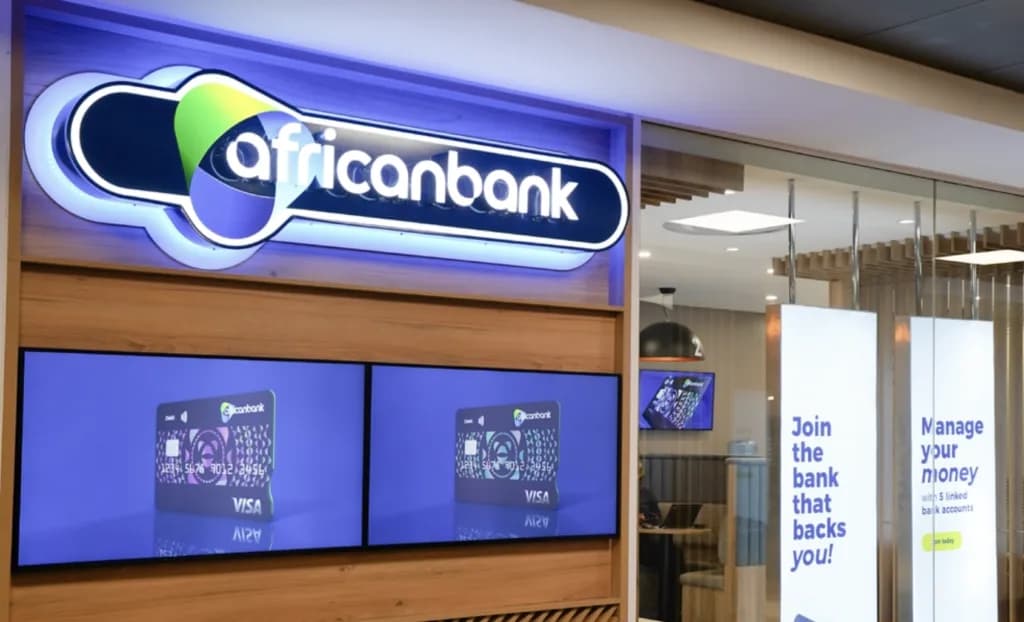
African Bank is considering a major restructuring programme that could affect approximately 1,200 employees and lead to the closure of around 90 branches across South Africa as it responds to mounting financial pressures and rising operating costs.
The bank confirmed it is contemplating a Section 189A consultation process after reporting a net loss after tax of R624 million for the six months ended 31 March 2026. The group said operating costs had increased faster than its risk-adjusted revenue, prompting a review of expenditure across information technology, procurement and staffing.
“While we continue to explore all cost-saving avenues to minimise the impact on people, we have reached a point where we have no other option but to review our staff costs,” the bank said.
The restructuring is expected to form part of a broader strategy to improve operational efficiency following several acquisitions completed over the past five years. African Bank also confirmed that its planned initial public offering (IPO), already delayed by a year, has now been pushed back to 2030.
Acquisition Strategy Shifts to Integration
Since 2022, African Bank has expanded through a series of acquisitions aimed at broadening its banking and lending operations. These include the purchase of Grindrod Bank for R1.5 billion, Ubank’s assets for R80 million, and Sasfin’s Capital Equipment Finance and Commercial Property Finance businesses for R3.25 billion.
However, the bank withdrew from its planned acquisition of Eskom’s R5.7 billion home loan portfolio after conditions attached to the transaction were not met. At the time, the board said it would instead focus on integrating previous acquisitions and improving operational performance.
The bank said its current priority is to improve efficiencies and extract greater value from businesses acquired between 2022 and 2025.
Leadership Changes and Regulatory Scrutiny
The restructuring follows a period of leadership changes and increased regulatory oversight.
Former Group Chief Executive Officer Kennedy Bungane resigned in March after the bank reported weaker financial performance and disclosed a regulatory reporting error. The Prudential Authority also scrutinised the bank over a transaction between subsidiaries that was intended to strengthen its capital adequacy ratio.
Zweli Manyathi, previously Chief Executive of African Bank’s Business and Commercial Banking division, is serving as interim Group Chief Executive Officer.
SASBO Raises Concerns Over Consultation Process
Banking union SASBO has criticised African Bank’s handling of the proposed restructuring, arguing that organised labour was not consulted before the bank publicly announced its intention to begin a Section 189A process. The union also noted that African Bank linked the restructuring to strengthening governance following regulatory concerns.
SASBO said retrenchments have significant consequences for employees and should only be considered after meaningful engagement with organised labour. It added that workers should not bear the cost of governance failures, strategic decisions or regulatory shortcomings.
The union said it would closely examine the bank’s justification for the proposed restructuring and press management to consider all reasonable alternatives before any job losses are implemented.