A Closer Look at Lepas and Its Place in the Market
A new name has begun to surface in South Africa’s automotive space: Lepas. Marketed as an “all-new” brand, it enters at a time when the local SUV segment is already saturated with options across multiple price points. While the branding is fresh, Lepas is not entirely independent it is part of the broader strategy of Chery,
A Closer Look at Lepas and Its Place in the Market
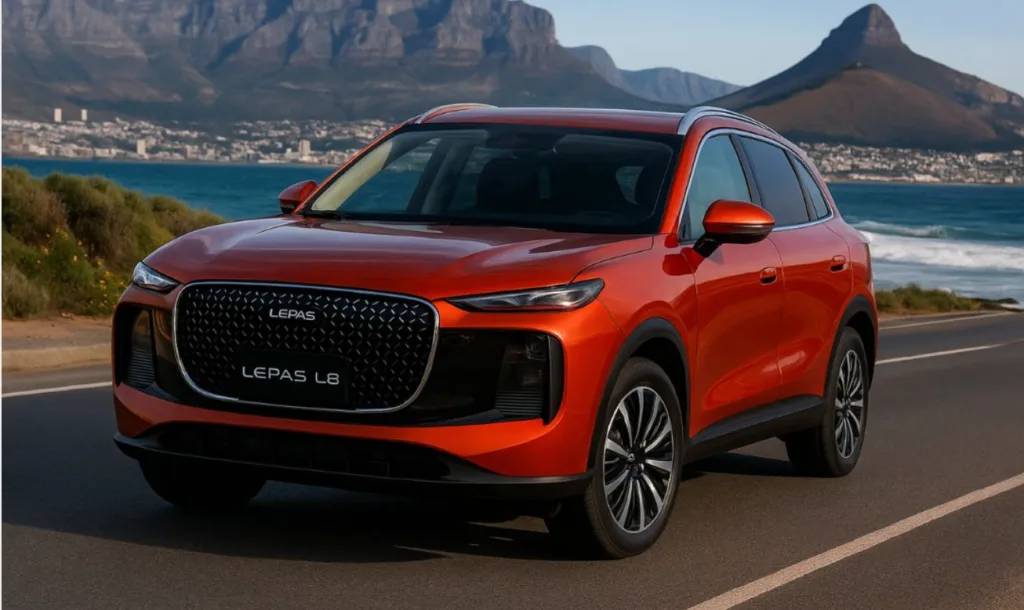
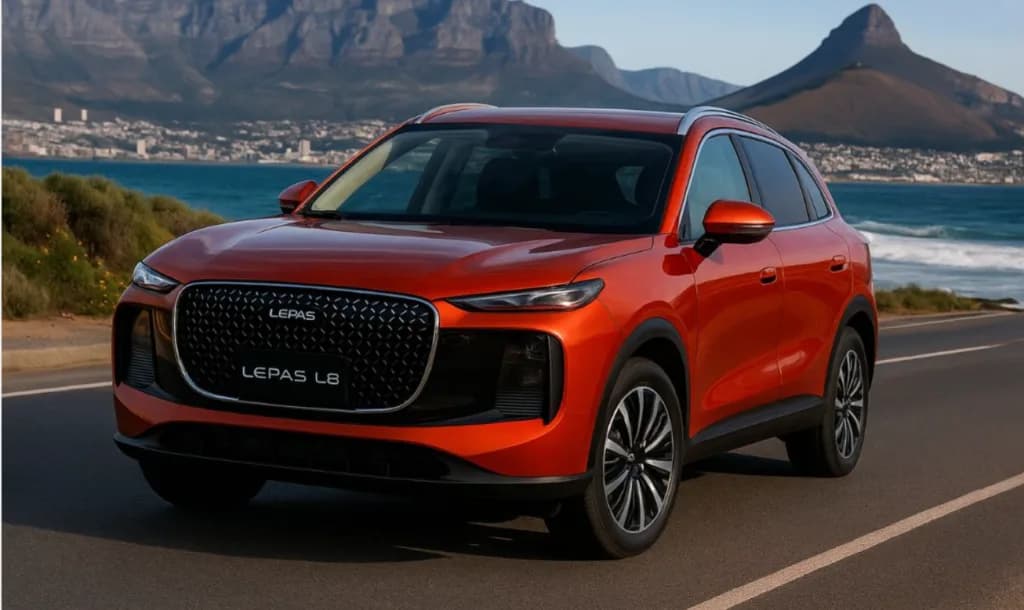
A new name has begun to surface in South Africa’s automotive space: Lepas. Marketed as an “all-new” brand, it enters at a time when the local SUV segment is already saturated with options across multiple price points. While the branding is fresh, Lepas is not entirely independent it is part of the broader strategy of Chery, a manufacturer that has steadily expanded its global and local presence.
A New Brand Built on Existing Foundations
Lepas joins a growing portfolio of sub-brands under Chery, including Omoda and Jaecoo. This multi-brand approach allows the company to target different buyer segments with tailored identities. In Lepas’ case, the emphasis appears to be on a more refined image, with a focus on design, in-car technology, and a slightly more premium positioning.
However, beneath that identity, there is likely to be substantial overlap in engineering and components with other Chery products. This is a common industry practice, but it raises a practical question: how distinct is Lepas in reality? For consumers, the answer may matter less than how the vehicles perform over time, but it does shape expectations.
The Initial Product Line-Up
Lepas is expected to enter the market with three SUV models—L4, L6, and L8—covering the compact, mid-size, and upper segments respectively. These categories are already well populated, making differentiation essential.
The vehicles are built on a platform designed to support petrol, hybrid, and potentially electric drivetrains. While this flexibility aligns with broader industry trends, it is increasingly standard rather than exceptional. Many competitors are already moving in the same direction, particularly as electrification becomes more viable in global markets.
Competing in a Crowded Segment
South Africa’s SUV market is one of the most competitive parts of the automotive industry. Established brands from Japan, Korea, and Europe continue to dominate, while Chinese manufacturers have gained ground by offering high specification levels at relatively accessible prices. Lepas enters this landscape without a track record of its own. Although it benefits from Chery’s existing dealership and service network, the brand itself has yet to establish credibility in areas that matter to local buyers namely reliability, resale value, and long-term cost of ownership.
These factors often outweigh initial appeal. A well-designed, feature-rich vehicle may attract attention, but sustained success depends on consistent performance and support over time.
Positioning and Perception
The positioning of Lepas suggests an attempt to move slightly upmarket, targeting buyers who want more than just basic transport but may not be ready to step into traditional premium brands. This is a narrow space to occupy. Competing too closely with established mid-range options risks blending in, while pushing too far upward invites direct comparison with more established premium offerings.
Perception will play a key role. As a new name, Lepas does not yet carry the weight positive or negative of a long history. This gives it flexibility, but also uncertainty. Early adopters will effectively shape the brand’s reputation in the local market At this stage, Lepas is best understood as a developing entrant rather than a proven contender. It brings modern styling, current technology, and the backing of an established manufacturer. At the same time, it faces the typical challenges of any new brand: building trust, demonstrating durability, and maintaining value over time.