$5 Billion Uganda-Tanzania Pipeline Faces Environmental Opposition
The $5 billion pipeline project, designed to transport oil from Uganda's discoveries to an export terminal on Tanzania's coast, has encountered significant resistance from environmental groups scrutinizing potential lenders, as reported by Bloomberg. In 2021, Standard Bank, Africa’s largest lender, appointed an independent adviser to assist in its decision-making regarding involvement in the project. “We
5-Billion-Uganda-Tanzania-Pipeline-Faces-Environmental-Opposition
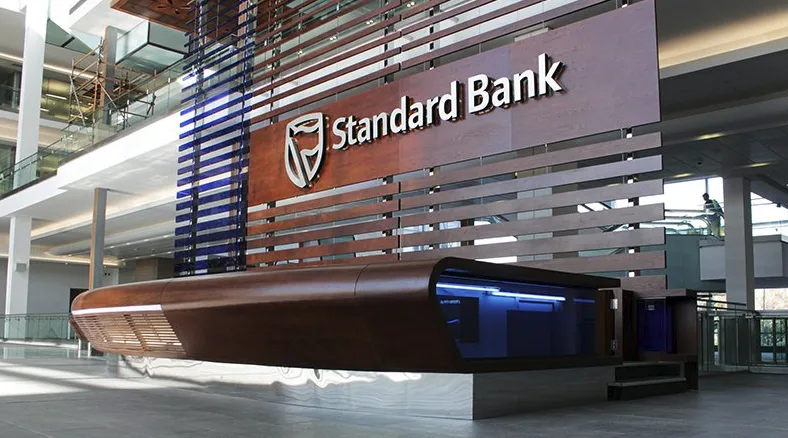
The $5 billion pipeline project, designed to transport oil from Uganda’s discoveries to an export terminal on Tanzania’s coast, has encountered significant resistance from environmental groups scrutinizing potential lenders, as reported by Bloomberg.
In 2021, Standard Bank, Africa’s largest lender, appointed an independent adviser to assist in its decision-making regarding involvement in the project.
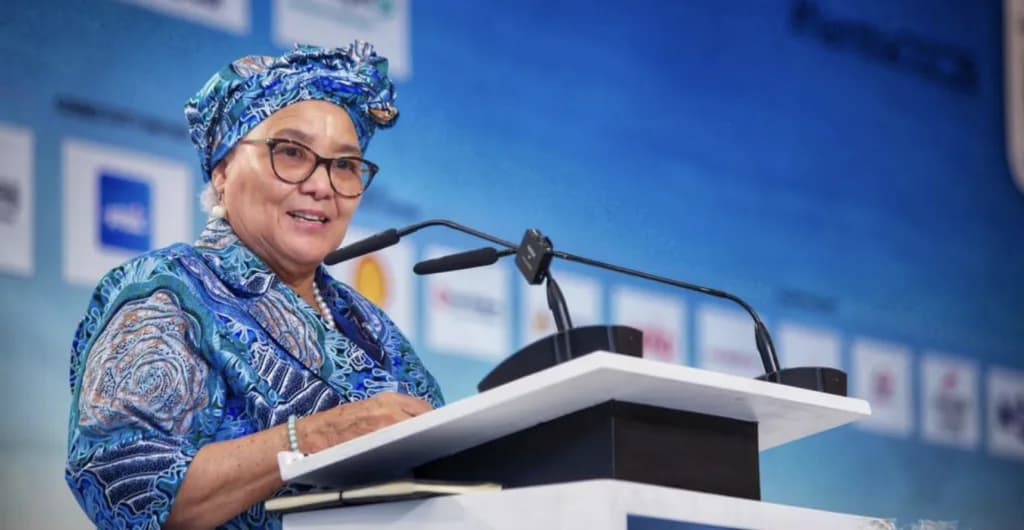
“We have conducted our internal governance processes,” stated Standard Bank Chairman Nonkululeko Nyembezi in an interview in Rio de Janeiro. This process included a thorough credit review and extensive environmental and social due diligence, which she noted took a considerable amount of time.
The East Africa Crude Oil Pipeline (EACOP) has been a contentious issue, drawing criticism from environmental groups and stakeholders, including French conglomerates Total Energies and Chinese investors. Opponents have urged banks to distance themselves from the project due to concerns about its impact on wildlife habitats, communities, and greenhouse gas emissions.
A report by Human Rights Watch highlighted that residents displaced by the pipeline’s construction received inadequate compensation and experienced significant disruptions to their lives.
Government Support and Rising Costs
Despite the controversies, Ugandan President Yoweri Museveni has been a strong advocate for the project, emphasizing support from Chinese President Xi Jinping. The cost of the pipeline has escalated to $5 billion from an initial estimate of $4 billion, as stated by Uganda’s energy minister in January.
“We have all the lenders,” Nyembezi said, although she declined to name them. She did not comment on the total amount of funding, mentioning that Standard Bank is restricted in what it can disclose publicly until a final decision is made. The lender expects Total Energies to make an announcement in the coming months, with field developments already underway.
“There is complete commitment on the part of the sponsors of the oil projects to get it done,” Nyembezi affirmed.
Main Image: Insurance Chat