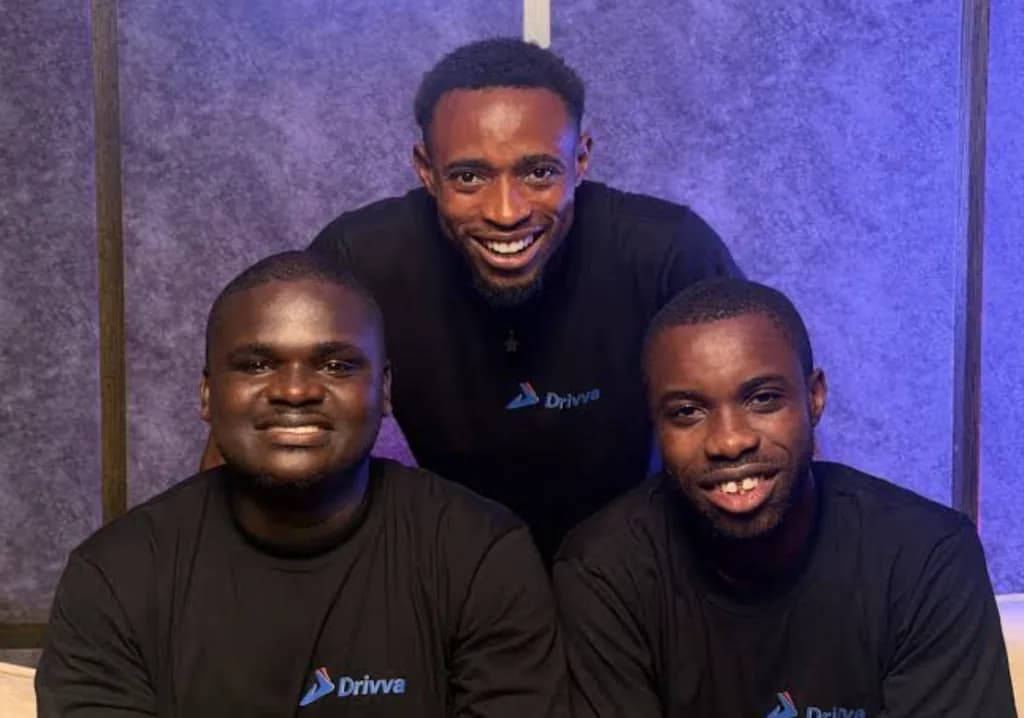
Drivva is taking aim at one of Nigeria’s biggest car ownership headaches
Nigeria’s car market is changing, but maintaining a vehicle is still mostly a manual process. When a car develops a problem, most owners still call a mechanic, ask someone for a recommendation or take it to a workshop they have used before. Service records can be just as messy. Owners keep some on paper, others
Drivva is taking aim at one of Nigeria’s biggest car ownership headaches
Nigeria’s car market is changing, but maintaining a vehicle is still mostly a manual process. When a car develops a problem, most owners still call a mechanic, ask someone for a recommendation or take it to a workshop they have used before. Service records can be just as messy. Owners keep some on paper, others on WhatsApp, while some do not keep records at all. Drivva is building a platform around this gap. The Nigerian technology company brings vehicle owners, mechanics and garages onto one platform, with tools for managing vehicles, keeping service records, booking maintenance and finding automotive professionals. It also has an AI-powered diagnostic feature that can help a driver understand what may be wrong with a vehicle before deciding what to do next. That does not mean the mechanic disappears from the process. If anything, Drivva is trying to make the conversation between the driver and the mechanic a little easier.
The problem starts when something goes wrong
For most drivers, knowing that something is wrong with the car is easier than knowing what is actually wrong. A warning light comes on. The engine sounds different. The car starts overheating. Unless the owner knows their way around vehicles, the next step is usually to find someone who does. Drivva’s diagnostic feature gives owners some information before they get to that point. A driver can use the platform to describe a problem and get an indication of what could be happening and what attention the vehicle may need. It does not replace a physical inspection. A mechanic still needs to look at the vehicle, diagnose the fault and carry out the repair. The useful part is that the driver gets a better idea of what they are dealing with before handing over the keys.
Drivva is also tackling a much less glamorous problem: vehicle records. A car can change hands several times during its life, while its service history gets lost along the way. Owners may remember that they changed the brakes or gave the car a major service, but remembering exactly when it happened and what else they did is harder. Drivva gives owners a place to keep that information. Owners can add services, repairs and other vehicle activity to the platform, creating a history they can refer to later. That could become useful when the vehicle goes up for sale. Instead of relying entirely on what the seller says about the car’s condition, a buyer could eventually look at a record showing how the owner maintained the vehicle. That is where the idea becomes bigger than simply finding a mechanic.
Mechanics are part of the business too
Drivva is not only building for car owners. Independent mechanics can use the platform to create a presence where vehicle owners can find them. That matters because many mechanics still depend heavily on referrals and repeat customers. A mechanic can be good at the job and still struggle to reach new customers. Garages are also part of the platform, with tools that can help them manage customers and their operations. The challenge here is fairly obvious. Mechanics and garage owners already have ways of doing business. They are not going to change those systems because an app tells them to. Drivva needs to show that the platform brings something useful, whether that means more customers, better records or less administrative work.
The vehicle record could be the bigger opportunity
The more interesting part of Drivva’s model may be what happens to all the information that builds up over time. If an owner keeps using the platform, the vehicle could build up a record of its services, repairs and other activity. That gives the car a history that can potentially follow it beyond one owner. There are obvious uses for that information. A buyer could get a better picture of a used vehicle. A seller could show how they maintained the car. A garage could see what work the vehicle has already received. There could also be opportunities further down the line in areas such as insurance and vehicle financing. But that only works if owners keep their records up to date and continue using the platform.
Trust will be just as important as the technology
Car maintenance has always had a trust problem. Owners want to know that a mechanic knows what they are doing and that the repairs they recommend are necessary. Putting mechanics on a digital platform does not solve that by itself. Drivva will still have to verify professionals, manage customer feedback and deal with poor experiences when they happen. It also needs to give owners enough confidence to try a mechanic they may not already know. That could be one of the harder parts of building the business.
Drivva’s ambitions go beyond building a mechanic marketplace. The company wants to create a digital record around vehicles that becomes more useful as owners and automotive businesses add more information. But it starts with a much simpler question: can it make owning and maintaining a car less of a hassle? For Nigerian drivers, that could mean knowing when the car last received a service, understanding a problem before going to a workshop and having a better way to find someone to fix it. For mechanics and garages, it means getting access to customers and having better tools to manage their work. If Drivva can get those basics right, the bigger idea around vehicle records becomes much more realistic. The opportunity is not really about putting mechanics on an app. It is about putting more of a car’s history in one place and making that information useful to everyone who deals with the vehicle.